The Top 3 Baits for Fall Salmon Fishing in Oregon

The Top 3 Baits for Fall Salmon Fishing in Oregon

The Top 3 Baits for Fall Salmon Fishing in Oregon

When fall arrives in Oregon, thousands of anglers converge on the Columbia River in pursuit of its legendary salmon runs. If you’re planning a trip this season, one question stands above all others: what should you use for salmon? The answer isn’t complicated, but it does take some insider know-how. Over decades of guiding, I’ve narrowed it down to three proven winners. These are the best baits for fall salmon Oregon rivers have to offer, and if you bring them in your tackle box, you’ll be ready for success.


1. Cured Salmon Roe

bait 1

There’s no denying it—nothing beats salmon eggs when it comes to triggering a bite. Fall Chinook and coho may not be actively feeding as they migrate, but the scent and texture of roe light up their instincts. It’s a natural food source, rich in oils, and familiar from their life in the ocean.

The simplest way to rig roe is with a cluster loop knot on a size 2–4 hook, paired with a drift rig or under a bobber. From a boat, drifting a bait of cured roe just above the bottom is deadly effective. The key is to let it tumble naturally in the current, imitating free-floating eggs. In deeper pools, suspending roe beneath a bobber keeps it visible and in the strike zone.

Pro tip? Don’t be afraid to sweeten your roe with a little extra kick. Many Columbia River guides add a hint of shrimp oil or even mix in sand shrimp pieces. That added scent cloud can be the difference between a curious salmon and a crushing strike.


2. Spinners and Spoons

Bait 2 

If roe appeals to a salmon’s nose, spinners and spoons go straight for the eyes and lateral line. Their flash, vibration, and erratic movement imitate wounded baitfish—something a fall salmon just can’t resist. They’re especially effective in clear water when visibility is high and you need to trigger an aggressive reaction.

Rigging spinners and spoons is straightforward. Tie one directly to your leader or use a snap swivel to make changing sizes and colors easy. From a boat, casting across a seam and letting the lure swing through the current is the classic approach. Another method is slow trolling along travel lanes where fish are holding.

Want the edge? Think about color and blade type. On the Columbia, UV finishes and chartreuse blades are favorites, especially under overcast skies. And don’t forget scent. A little smear of sardine oil or anise on your lure body can convince a following salmon to commit.


3. Plug-Cut Herring

bait 3

The third member of our salmon bait trifecta is the humble herring, carefully prepared with a plug-cut. This setup creates a tight, spiraling roll that mimics an injured baitfish. Add in the strong scent of a properly brined herring, and you’ve got a presentation that consistently draws strikes.

To rig it, cut the herring at an angle just behind the gill plate, insert a two-hook mooching rig (often size 4/0 or 5/0 hooks), and make sure the hooks sit snug. From a boat, plug-cut herring shines when trolled behind a flasher or diver at the correct speed to maintain that natural roll. Keep an eye on your herring after a strike—once it’s beaten up, swap it for a fresh one.

Here’s a little guide secret: after brining your herring, poke a tiny pinhole in the belly cavity before fishing. This vents extra fluids slowly as you troll, creating a stronger scent trail that salmon can follow upstream right to your bait.


Why These Three Work


These three baits—cured salmon roe, spinners and spoons, and plug-cut herring—cover all the bases. Roe appeals to scent, spinners excite aggression, and herring delivers both sight and smell in one irresistible package. Together, they give you flexibility to match conditions. If the river is colored up after rain, roe and herring get the job done. On brighter days with clearer water, spinners can save the trip.

When anglers ask me what to use for salmon, my answer always comes back to these three. They’re not just popular because everyone uses them. They’re popular because they consistently put fish in the boat on the Columbia River, season after season.


Putting It All Together


Of course, knowing the best baits for fall salmon Oregon anglers rely on is only part of the puzzle. Presentation matters just as much. Salmon can be moody, shifting from aggressive to lethargic depending on water temperature, flow, and even barometric pressure. Sometimes they want roe drifted naturally, sometimes a fast spinner swing, and other times a perfectly rolling herring trolled in the right lane. Reading those conditions and making the right call is where real experience comes in.

That’s why countless anglers trust a guide when planning their Columbia River adventure. A professional brings not only the right baits but also the confidence to adjust on the fly. After all, a bait is only as good as the way it’s presented.

So as you gear up for your fall trip, pack these three proven options and be ready for action. But if you really want to maximize your odds, don’t leave it to chance. Book a trip with an experienced guide and put these baits to work under expert direction. The fish are out there—let’s go catch them.

Hooking a Prehistoric Giant: Your Ultimate Columbia River Sturgeon Fishing Guide

Hooking a Prehistoric Giant: Your Ultimate Columbia River Sturgeon Fishing Guide

Hooking a Prehistoric Giant: Your Ultimate Columbia River Sturgeon Fishing Guide

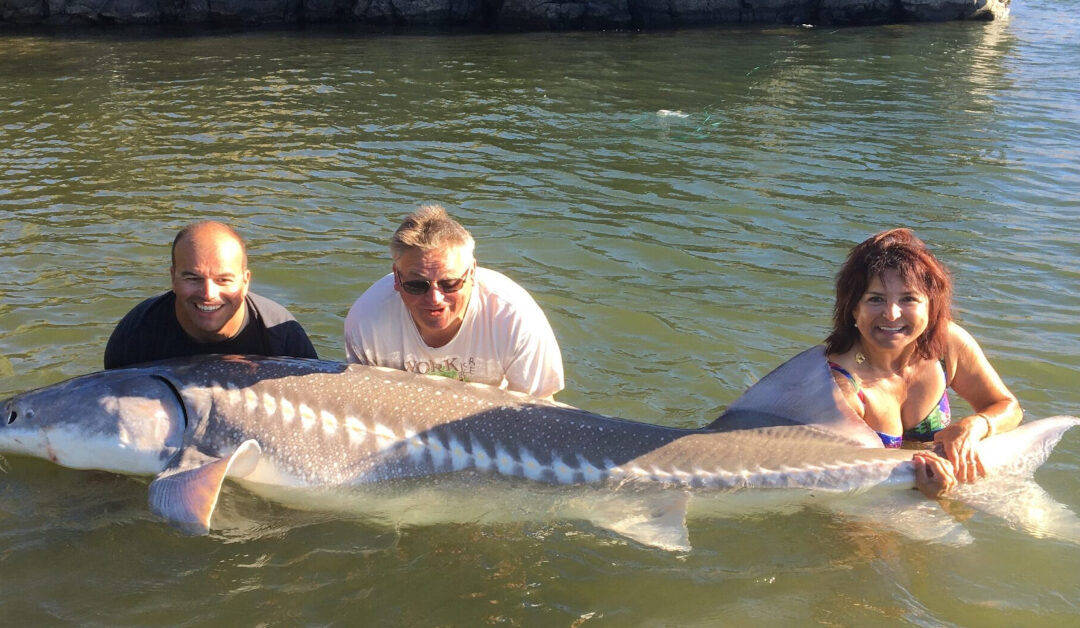
Hidden deep within the rushing waters of the Columbia River swims a relic of another world. The White Sturgeon—often called a living dinosaur—has patrolled these waters for millions of years. As the largest freshwater fish in North America, landing one connects you directly to ancient history. I’ve spent decades studying these extraordinary fish as a biologist and Oregon sturgeon guide, and I can tell you with certainty: the rush of battling one of these river giants is unforgettable.

If a Columbia River sturgeon adventure has been on your bucket list, the first step is learning how this unique fishery works. It’s a world built on raw strength, heavy-duty equipment, and respect for a protected species. What follows is your full guide to preparing for the experience of a lifetime.

Sturgeon 3 


The Aquatic Living Fossil

Why are White Sturgeon so captivating? Beyond their sheer size—sometimes over 12 feet long and more than 500 pounds—it’s their ancient heritage. These fish are primitive, cartilaginous, and more closely related to sharks than most bony fish, having changed little for millennia.

  • Prehistoric Armor: Instead of scales, they wear rows of scutes—hardened bony plates—that make them look armored and formidable.
  • Unique Anatomy: Four whisker-like barbels hang near their vacuum-like mouth, guiding them to food on the riverbed.
  • Century-Long Lives: Growing slowly, sturgeon often live over 100 years, meaning the fish you release today might still be swimming when your grandchildren are grown.


Two Journeys, One River: Keeper vs. Trophy

Booking a sturgeon charter offers two very different types of fishing. Both are thrilling, but they serve separate purposes.

  • Keeper Seasons (Harvest): These tightly managed seasons allow anglers to retain one sturgeon per day (two per year) within a strict size “slot limit,” typically 43–54 inches fork length. Often held above Bonneville Dam in winter or occasionally in the estuary, these brief seasons can be crowded and close suddenly once quotas are filled.
  • Catch-and-Release Trophy Fishing (C&R): This is the heart of Columbia River sturgeon fishing. Open year-round in most waters, the goal isn’t to fill your freezer but to take on true giants—fish that can reach 8 or even 10 feet long. This is where the adrenaline kicks in as you wrestle with a prehistoric powerhouse.

Sturgeon 4

Prime Time: When and Where

Sturgeon follow food migrations, so knowing the right time and place makes all the difference.

  • Trophy Season (May–August): Summer is peak time for giants. Below Bonneville Dam, sturgeon gorge on migrating shad, creating world-class fishing. Farther downstream, the Astoria estuary near Buoy 10 becomes a hotbed for massive fish feeding on the lower river’s rich food supply.
  • Keeper Seasons (Variable): Announced each fall for the coming year, these are usually most reliable above Bonneville Dam beginning January 1st. They are short and require close attention to updates from ODFW and WDFW.


Preparing for a Giant

Think of it this way—you wouldn’t bring a knife to a gunfight, and you shouldn’t bring a trout rod to a sturgeon battle. The gear must be tough enough to handle the sheer force of these fish.

  • Rod: Heavy-action, 7–9 feet long, with a soft tip for detecting subtle bites and a strong backbone for hauling a giant off the bottom.
  • Reel: A large-capacity baitcasting or conventional reel with a powerful drag, capable of holding several hundred yards of heavy line.
  • Line: Braided, 65–100 lb test, giving you the strength and sensitivity needed for solid hooksets and long fights.
  • Terminal Tackle: A slider rig is standard. This lets the mainline slip through the weight, so the sturgeon doesn’t immediately sense the heavy lead (8–24 ounces depending on current). It’s finished with a strong swivel, a 4–5 foot leader, and a barbless 7/0–12/0 hook, per regulations.


The Sturgeon Buffet

Sturgeon are bottom-feeding opportunists. Success depends on using oily, fresh bait that releases a strong scent trail. Anglers commonly use smelt, shad, anchovies, herring, and squid. On guided trips, bait is always fresh and carefully chosen for the season and location.


The Fight and the Release

Hooking a trophy sturgeon is nothing short of chaos. The bite often starts subtly, a faint tick-tick on the rod tip—but once you set the hook, brace yourself. The fish may sprint away in a blistering run or anchor itself deep against the current. Then comes the showstopper: these giants sometimes leap entirely out of the water in spectacular aerial displays.

But landing them is only half the battle. As anglers, we’re responsible stewards of this remarkable species. Handling them properly isn’t optional—it’s essential.

  • Keep Them Wet: Oversized sturgeon must remain in the water. Their skeletons can’t support their mass on land, and lifting them risks fatal injury.
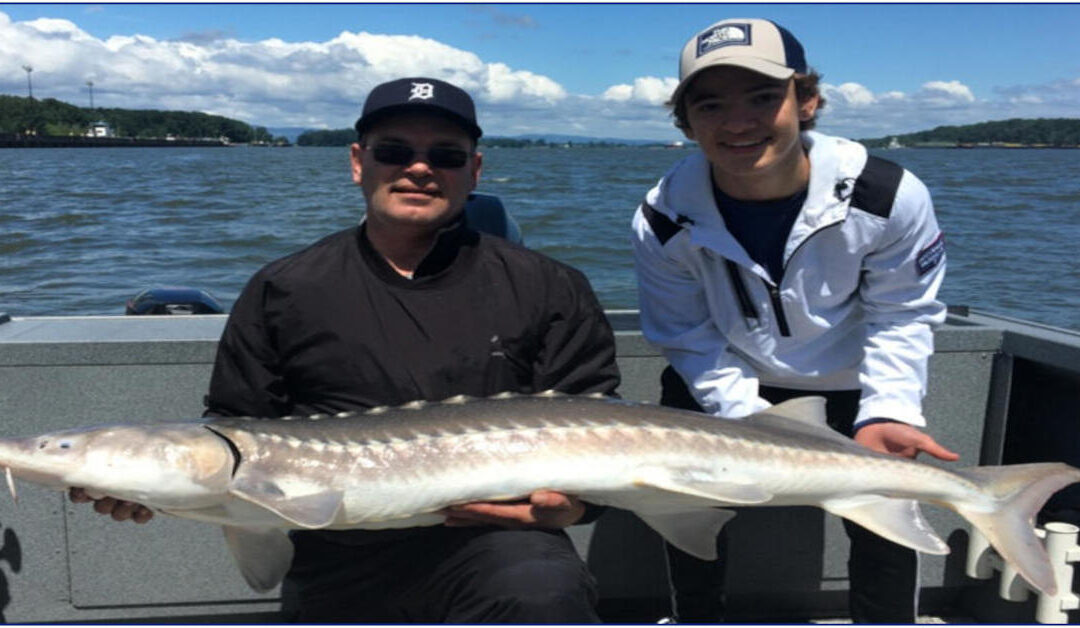
  • Photo Guidelines: For a quick snapshot, lean over the boat and cradle the fish, supporting its head and fins. Never hold them vertically by tail or head.
  • Swift Release: Use strong gear to reduce fight times. Once the barbless hook is removed, hold the fish facing into the current until it revives and swims away on its own.

Sturgeon 2 

Your Adventure Awaits

Fishing for Columbia River sturgeon is far more than a casual trip; it’s a rare encounter with living history. With complex regulations, heavy-duty equipment, and the skill needed to target these giants safely, hiring an experienced Oregon sturgeon guide is the best way to go. A seasoned guide provides not just the boat, bait, and gear but also an intimate knowledge of the river’s secrets, moods, and seasons.

So, are you ready to face a living dinosaur? Book your trip, embrace the fight, and come home with a story you’ll share for a lifetime.

A Beginner’s Guide to Bobber Doggin’: Oregon’s Deadliest Steelhead Tactic

A Beginner’s Guide to Bobber Doggin’: Oregon’s Deadliest Steelhead Tactic

A Beginner's Guide to Bobber Doggin': Oregon's Deadliest Steelhead Tactic

There’s a moment every steelhead angler dreams of: the water is cold, the air is crisp, and suddenly, your line goes tight with the unmistakable weight of a chrome-bright fish. In the world of Oregon steelhead fishing tips, there’s one method that consistently turns that dream into a reality, even for newcomers: bobber doggin’. It might sound a little strange, but this technique is, without a doubt, one of the most effective ways to connect with the elusive “ghost of the river.”

If you’re new to the method, you’ve come to the right place. We’re about to break down everything you need to know, from the core concept to the exact gear and on-the-water execution. Get ready to transform your steelhead game.

What is Bobber Doggin’ and Why Does it Work?

At its heart, bobber doggin’ is a hybrid technique that combines the best of drift fishing and float fishing. Imagine you’re walking a dog on a long leash. You lead, and the dog follows, occasionally sniffing the ground. In bobber doggin’, your float (the bobber) is you, and your bait is the dog.

The goal is to have your weight “tick” along the river bottom while the float, set much deeper than the actual water depth, “walks” your presentation downstream at the perfect speed—the speed of the current near the riverbed. This creates the most natural drift possible, presenting your bead, jig, or worm directly in the steelhead’s strike zone. Unlike traditional float fishing, where the bait is suspended, bobber doggin’ is a bottom-contact technique. This is one of those steelhead fishing techniques that is incredibly effective because steelhead hold tight to the bottom, and this method puts your offering right in their face, for longer.

The Complete Gear Setup for Success


Having the right gear is crucial. While you can get by with a standard salmon rod, a specialized setup will make learning easier and fishing more effective.

Rod
The ideal bobber doggin’ rod is long. Think 10′ to 11’6″ in length with a medium power and a moderate-fast action. The length helps you mend and control your line on long drifts, while the softer action allows steelhead to grab the bait without feeling instant resistance.

Reel
Both spinning and casting reels work, but a casting (baitcasting) reel is often preferred. It allows for smoother line release during the drift, which is critical for a natural presentation. Spool it up and get ready to fish.

Main Line
A high-visibility braided line of 30- to 50-pound test is the standard. The bright color helps you track your line on the water’s surface, and the braid’s lack of stretch ensures a solid hookset, even at a distance.

Float/Bobber
This isn’t your grandpa’s red-and-white bobber. You’ll need a specific bobber doggin‘” or “slip” float. These are designed to lie on their side during the drift, only standing up or pulling under when you have a bite. They are rigged to slide freely on your main line between two bobber stops.

Weight Setup
The weight is what gets your gear down. A common setup involves a three-way swivel. Your main line ties to one eye, your leader to another, and a 4-6 inch “dropper” line with a lead weight is tied to the third. This ensures your weight sits at the bottom, while your bait drifts just above it. Use just enough weight to feel the bottom consistently.

Leader
A fluorocarbon leader is essential for its low visibility in the water. Start with a length of about 3 to 5 feet in a 10- to 15-pound test, depending on water clarity.

Lure/Bait This is where the fun begins! The most common offerings are fishing beads (imitating single salmon eggs), yarnies, small pink worms, or jigs tipped with bait. The key is to match your offering to the water conditions and what the fish are keying in on.

The Technique: Step-by-Step

Steelhead 1A

Now, let’s get on the water. Here’s how to catch steelhead using the bobber doggin’ method:

  1. The Cast: Cast your rig upstream and across the current at about a 45-degree angle. You want it to land far enough out to give your gear time to sink and find the bottom before it reaches the target zone.
  2. Achieving the Perfect Drift: This is the most important part. As your float moves downstream, keep your rod tip high and let the line out smoothly. Your goal is to keep the float moving at the same speed as the current without any drag. You should feel your weight periodically “ticking” or tapping the rocks on the bottom. If you’re not feeling the bottom, you need more weight. If you’re constantly snagging, you have too much.
  3. Identifying the Bite: A steelhead bite on a bobber doggin’ setup is unmistakable and incredibly exciting. Your float, which has been lying on its side and drifting along, will do one of two things: it will either get violently jerked straight down under the water, or it will stop completely and stand straight up. Both mean one thing: FISH ON!
  4. Setting the Hook: Don’t trout set! When the bobber goes down, point your rod tip toward the fish to reel up any slack, then sweep the rod back firmly and smoothly in a long, powerful motion. This drives the hook home.

Reading the Water: Where to Fish

Stealhead 2 

Bobber doggin’ for steelhead shines in classic steelhead water. Look for walking-speed currents that are 4 to 10 feet deep. Prime locations include:

Seams
Where fast and slow currents meet. Steelheads love to hold in the slower water and ambush food drifting by in the faster lane.

Tailouts
The downstream end of a deep pool where the water shallows up. These are classic holding spots.

Current Breaks
Any structure that breaks the current, like large boulders or submerged logs, creates a soft pocket where fish can rest. Drift your gear right alongside these breaks.

Bobber doggin’ is more than just a technique; it’s an active, engaging, and incredibly rewarding way to pursue one of the world’s greatest gamefish. It takes a little practice, but once you feel that first takedown, you’ll be hooked for life.

Ready to master the technique on the water? The fastest way to shorten the learning curve is with an expert guide. Book a guided steelhead trip with us today, and we’ll put you on the fish and provide hands-on instruction to make you a bobber doggin’ pro!

What to Pack for a Multi-Day Fishing Trip in Oregon’s Backcountry

What to Pack for a Multi-Day Fishing Trip in Oregon’s Backcountry

What to Pack for a Multi-Day Fishing Trip in Oregon’s Backcountry

Planning a multi-day fishing trip in Oregon’s backcountry is the kind of adventure that rewards both preparation and spontaneity. With its untouched wilderness, glacier-fed rivers, and remote mountain lakes, Oregon offers some of the best backcountry fishing experiences in the Pacific Northwest. But to enjoy it fully, you need to pack smart.

Whether you’re hiking to alpine lakes in the Cascades, paddling through secluded stretches of the Deschutes, or wading in forest-hidden streams near the Rogue, your packing list can make or break your trip. The wilderness is breathtaking, but it’s also unforgiving if you show up unprepared.

This guide covers everything you need to pack for a successful and safe fishing trip in Oregon’s backcountry—organized by essentials, fishing gear, clothing, cooking tools, and survival basics. If you’re ready to chase trout or steelhead where few anglers ever tread, this is your must-read checklist.


Understand the Terrain First

Before getting into what to bring, know where you’re going. A fishing trip in Oregon’s backcountry can range from a high-desert canyon to a lush, rainy coastal forest. Each environment has its own set of weather patterns, wildlife, and trail conditions.

Always check elevation, distance, and trail access before your trip. The gear you pack for a hike-in trip to an alpine lake in the Wallowas will be very different from what you bring on a raft trip down the remote John Day River.

Fishing Gear Essentials

Fishing gear should be lightweight, durable, and versatile. Since you’re deep in the backcountry, you need to rely on fewer tools that serve multiple purposes.

  • Rod and reel combo: A 4-piece travel rod is ideal. Choose spinning gear or a fly rod based on your target species. For trout, a 5-weight fly rod or light spinning setup is perfect.


  • Tackle or flies: Pack a compact box with only what you need. Spinners, spoons, and soft plastics work well for spinning rods. Fly anglers should bring dry flies, nymphs, and streamers. Include local patterns like the Adams or Elk Hair Caddis.


  • Extra line and leaders: Abrasion from rocks and snags is common. Bring backups.


  • Compact net: Telescopic or folding nets save space and help with catch-and-release.


  • Pliers or forceps: For hook removal and handling fish.


  • Fishing license and tags: Oregon law requires you to carry the proper license and any required tags, especially for salmon, steelhead, or sturgeon.


Locals know that flexibility is key on a fishing trip in Oregon’s backcountry. The fish can be picky, and water conditions vary. Having a range of options, even in small quantities, boosts your chances of success.


Clothing and Personal Gear

Weather in the backcountry changes fast. Dressing in layers and choosing quick-drying fabrics is the best strategy.

  • Base layers: Moisture-wicking shirts and leggings for both warm and cold weather.


  • Insulating layer: Fleece or down jackets work well for cool mornings and nights.


  • Rain gear: A waterproof jacket and pants are critical. Sudden showers are common.


  • Convertible pants: Lightweight pants that can become shorts save space.


  • Wading boots or water shoes: If you’ll be entering the water, these are essential.


  • Wool socks and camp shoes: Keep your feet dry and comfortable after a long day.


  • Sun protection: Hat, polarized sunglasses, and sunscreen are a must. High-altitude and reflective waters increase UV exposure.


For any fishing trip in Oregon’s backcountry, err on the side of being slightly over-prepared when it comes to clothing. Hypothermia is a real threat, even in summer months, especially if you get wet or the wind picks up.

Sleeping and Shelter

Getting rest is key to enjoying your trip and staying sharp on the water. Pack light but smart when it comes to sleeping arrangements.

  • Lightweight tent: Choose a backpacking tent that’s weatherproof and easy to set up.


  • Sleeping bag: Pick one that’s appropriate for nighttime temps. A 20–30°F rated bag covers most backcountry conditions in Oregon.


  • Sleeping pad: Foam or inflatable pads protect from cold ground and provide insulation.


  • Tarp or groundsheet: Adds extra protection under your tent or for emergency shelter.


If you’re doing a river-based fishing trip in Oregon’s backcountry, make sure your gear is waterproof or stored in dry bags. River spray and unexpected rain can soak sleeping gear fast.


Cooking Gear and Food

Food should be easy to prepare, high in calories, and lightweight. You’ll burn energy hiking, fishing, and dealing with elevation.

  • Backpacking stove: Compact stoves like Jetboil or MSR PocketRocket are ideal.


  • Fuel canister: Always bring a spare if you’re out for more than two nights.


  • Cookware: One small pot and a metal mug will do for most meals.


  • Utensils: A spork and small knife are usually enough.


  • Meals: Freeze-dried meals, instant oatmeal, energy bars, jerky, trail mix, and nuts are all reliable choices.


  • Coffee or tea: A small luxury that goes a long way on chilly mornings.


  • Water purification: Bring a filter, iodine tablets, or a UV purifier. Don’t drink directly from streams without treating the water.


On a fishing trip in Oregon’s backcountry, you might be far from help, so make sure you have enough food and water for at least one extra day in case of delays.


Safety and Survival Items

Safety gear is essential for any backcountry trip. Being far from civilization means you must be self-reliant.

  • Map and compass: GPS is helpful, but batteries die. Learn how to navigate manually.


  • Headlamp: Always carry extra batteries.


  • First aid kit: Include blister care, pain relievers, antihistamines, and basic wound supplies.


  • Bear spray: Especially important in eastern and southern Oregon.


  • Multi-tool: For repairs, food prep, and emergencies.


  • Fire starter: Waterproof matches, a lighter, and fire starter material.


  • Emergency blanket: Lightweight and critical if you’re injured or stuck.


Many seasoned anglers also carry a personal locator beacon (PLB) or satellite communicator on a fishing trip in Oregon’s backcountry. It’s a smart investment if you’re heading off-grid.

No photo description available.

Leave No Trace

Respect the environment by following Leave No Trace principles. Pack out all trash, avoid disturbing wildlife, and camp at least 200 feet away from water sources. Oregon’s backcountry is pristine, and keeping it that way ensures future anglers can enjoy the same wild beauty.


A fishing trip in Oregon’s backcountry offers a chance to disconnect from the noise of daily life and reconnect with nature at its most raw and beautiful. But the success of your trip depends heavily on what you bring and how you prepare. Every item in your pack should serve a purpose, support your safety, and enhance your experience.

From lightweight rods to layered clothing, every piece of gear plays a role in helping you navigate the unpredictable challenges of the Oregon wilderness. With this guide in hand, you’re ready to plan, pack, and set out on a fishing trip in Oregon’s backcountry that you’ll remember for a lifetime.

Salmon Fishing in Oregon: Coastal vs. Inland Rivers Compared

Salmon Fishing in Oregon: Coastal vs. Inland Rivers Compared

Salmon Fishing in Oregon: Coastal vs. Inland Rivers Compared

Salmon fishing in Oregon is more than just a sport—it’s a time-honored tradition, a seasonal rhythm that brings together locals and visitors alike in pursuit of one of the Pacific Northwest’s most iconic fish. Oregon is home to multiple salmon species, including chinook (king), coho (silver), and sockeye. Each year, these fish return from the Pacific Ocean to Oregon’s rivers, creating unforgettable fishing opportunities both along the coast and deep inland.

But where should you cast your line—along Oregon’s rugged coastline or in its winding inland rivers? Each setting offers unique experiences, advantages, and challenges. In this guide, we’ll compare coastal and inland salmon fishing in Oregon to help you decide which one suits your style, goals, and adventure level best.

No photo description available.

Coastal Salmon Fishing in Oregon

When most anglers think about salmon fishing in Oregon, the coast comes to mind. Stretching from Astoria in the north to Brookings in the south, Oregon’s coastline is peppered with estuaries, bays, and ocean access points where salmon begin their upstream journey.

What to Expect

Coastal fishing often begins at river mouths and bays where salmon pause before heading inland. These staging areas are hotspots for catching large, ocean-bright salmon fresh from the sea. Common locations include the mouth of the Columbia River, Tillamook Bay, and Yaquina Bay in Newport.

Trolling is the dominant technique in coastal waters, often using herring, spinners, or hoochies behind flashers. Boats, both private and chartered, are the standard approach for accessing deeper parts of bays and nearshore areas.

Spring and fall are peak times. Spring chinook arrive earlier and are prized for their fat content and taste, while fall chinook and coho runs bring larger numbers of fish.

Pros of Coastal Salmon Fishing

  • Fresher fish: Salmon caught near the ocean are still in peak condition, often referred to as “ocean-bright” or “chrome” due to their vibrant silver color and firm flesh.

  • Higher catch potential early in the season: As fish stage at river mouths, anglers often catch large numbers before the salmon move upstream.

  • Beautiful scenery: Fishing against a backdrop of ocean views, sea cliffs, and harbor towns enhances the overall experience.

Cons of Coastal Salmon Fishing

  • Weather conditions: Wind, fog, and rough seas can limit fishing days or create uncomfortable conditions for small boats.

  • Crowds: Popular bays and coastal access points can become crowded during peak runs.

  • Boat dependency: Bank fishing opportunities are more limited than inland options, making coastal fishing less accessible for those without a vessel.


Inland Salmon Fishing in Oregon

As salmon make their way upstream, inland rivers become the battlegrounds for skilled anglers looking for a different kind of challenge. Rivers like the Rogue, Umpqua, Willamette, Sandy, and Deschutes offer world-class salmon fishing in Oregon from spring through fall.

What to Expect

Inland salmon fishing is about precision and patience. Techniques shift toward drift fishing, back bouncing, bobber and bait setups, and fly fishing in certain stretches. Unlike the open waters of the coast, inland rivers often allow for closer interaction with the fish and environment.

Timing is everything. Fishing inland requires knowledge of each river’s peak salmon run, water level changes, and fishing regulations that vary by location and season.

Fishing can be done from a drift boat, raft, or from the bank, making it more accessible to anglers without ocean-ready boats.

Pros of Inland Salmon Fishing

  • Accessible for bank anglers: Many rivers have well-maintained access points and public land, perfect for walk-in fishing.

  • More solitude: While some rivers get busy, there are plenty of lesser-known stretches where anglers can enjoy quiet, scenic fishing.

  • Great for learning techniques: Inland rivers offer opportunities to refine fishing skills like drift fishing and bobber fishing in different water conditions.

Cons of Inland Salmon Fishing

  • Fish condition varies: Salmon farther upstream may begin to lose their bright coloration and firmness.

  • Tougher conditions: Fish are often warier in freshwater, and getting them to bite requires finesse.

  • Complex regulations: Inland rivers can have zone-specific rules, bait restrictions, and closures that require careful planning.

No photo description available.

Comparing the Experience

Adventure Level

Coastal salmon fishing in Oregon often feels like a grand adventure. Trolling in a big bay, feeling the surge of the ocean beneath your boat, and landing a 30-pound chinook just steps from the Pacific makes for an adrenaline-filled trip. Inland river fishing, while more relaxed, offers the satisfaction of stalking fish in narrower waters and being part of Oregon’s scenic inland wilderness.

Family-Friendly Options

Both coastal and inland salmon fishing in Oregon offer family-friendly options. Big Creek Reservoirs, the Nestucca River estuary, or the upper Willamette system have gentler waters and easier access for kids or beginners. Coastal areas like Nehalem Bay or Winchester Bay also provide calm, protected spots great for teaching children.

Cost and Convenience

Inland fishing tends to be more budget-friendly. You often don’t need a boat, and gear requirements can be lighter. Coastal fishing, especially offshore or guided charters, usually costs more but provides a higher chance of catching trophy-sized salmon.


Best Times for Salmon Fishing in Oregon

Regardless of location, timing your trip around the salmon runs is key:

  • Spring (March–June): Spring chinook runs in the Columbia, Willamette, and Rogue Rivers. This is also the start of ocean salmon staging in bays.

  • Summer (July–August): Summer chinook and early coho start appearing in some rivers and near coastal zones.

  • Fall (September–October): Peak season for fall chinook and coho across both inland and coastal systems.

No photo description available.

Tips for Success

  • Know the rules: Oregon has strict fishing regulations that vary by location, season, and species. Always check with the Oregon Department of Fish and Wildlife before fishing.

  • Match gear to the water: Use heavier tackle and trolling gear for coastal fishing, and lighter rods or drift gear for river conditions.

  • Use scent and color wisely: Salmon rely heavily on scent, especially inland. Add bait scent and adjust lure colors to water clarity.

  • Respect the fish and environment: Practice ethical fishing—release dark or spawning fish, pack out trash, and avoid disturbing spawning grounds.

Whether you’re drawn to the thrill of ocean-bright salmon just off the coast or prefer the challenge of landing a chinook in the upper reaches of a scenic river, salmon fishing in Oregon offers something for every angler. Coastal fishing provides power and size, while inland rivers deliver strategy and serenity. In truth, both offer unforgettable experiences—choosing between them just depends on the kind of adventure you’re seeking.

So grab your rod, pick your spot, and experience the best salmon fishing in Oregon has to offer—from tide to timber, from saltwater to stream.