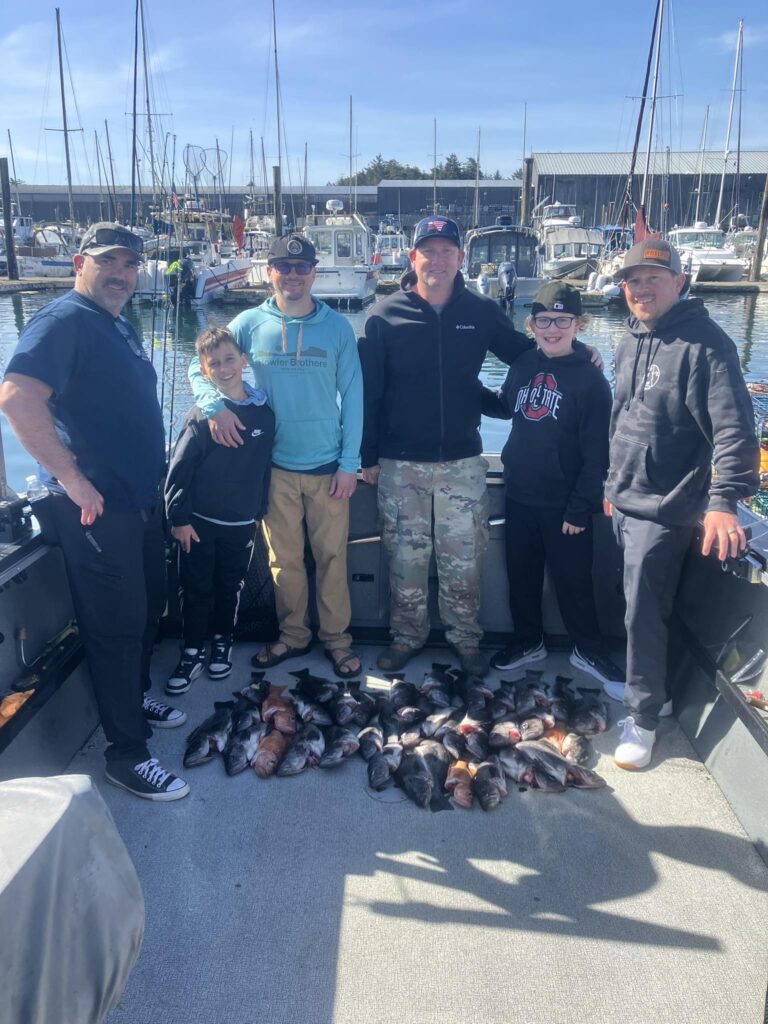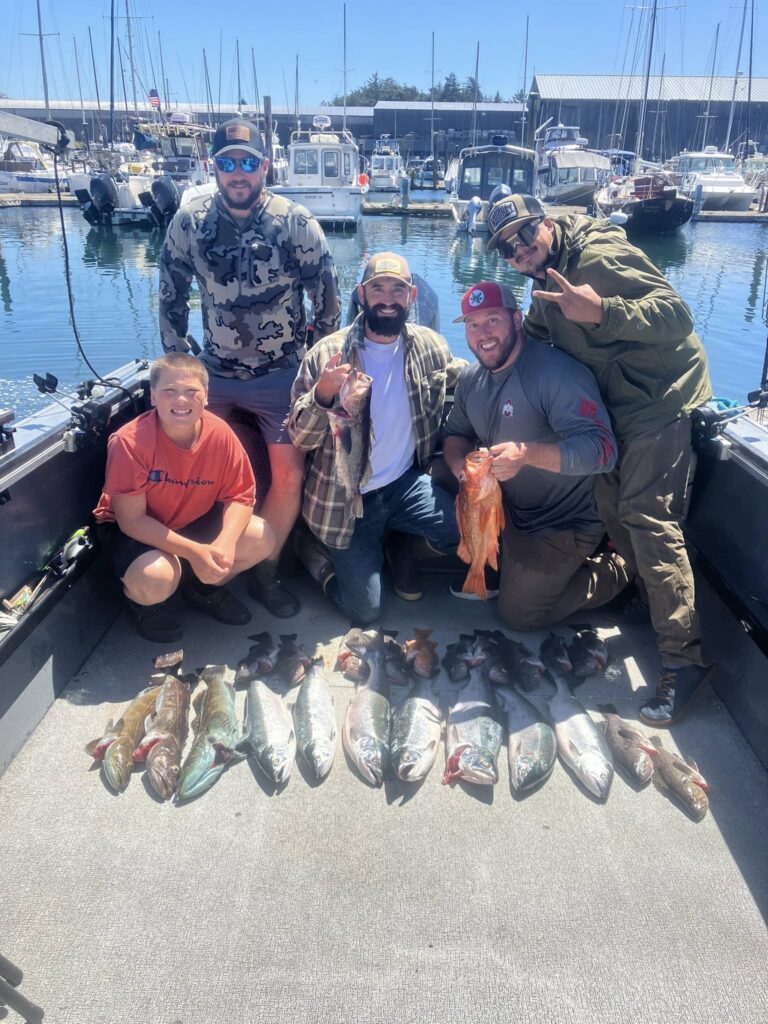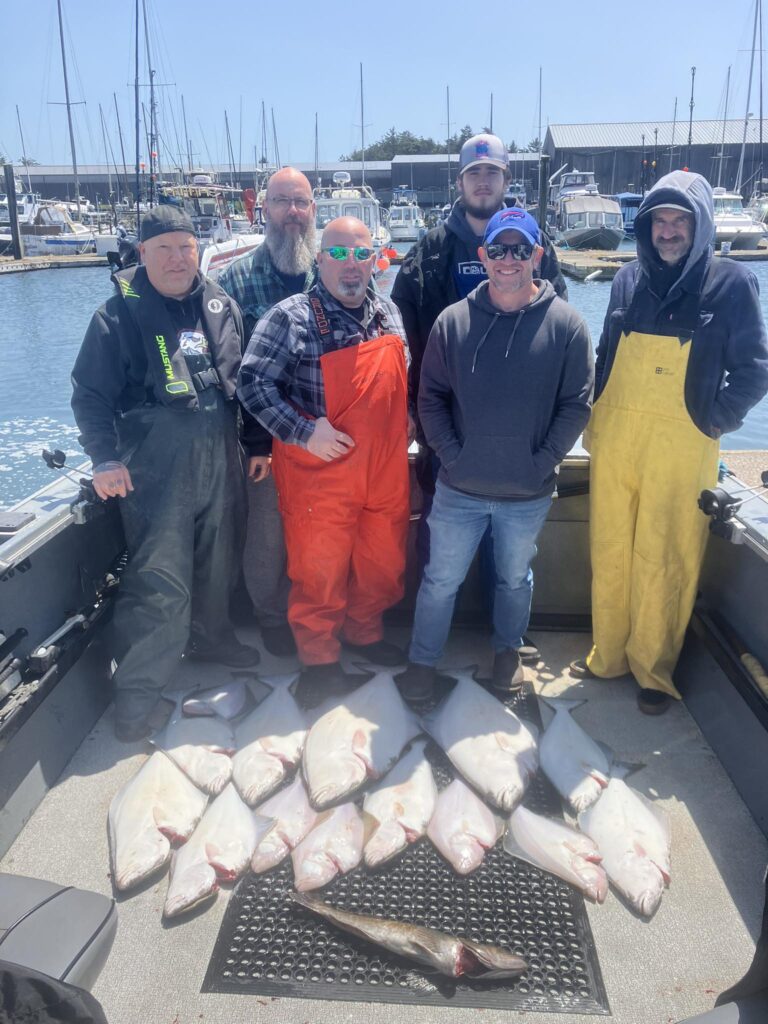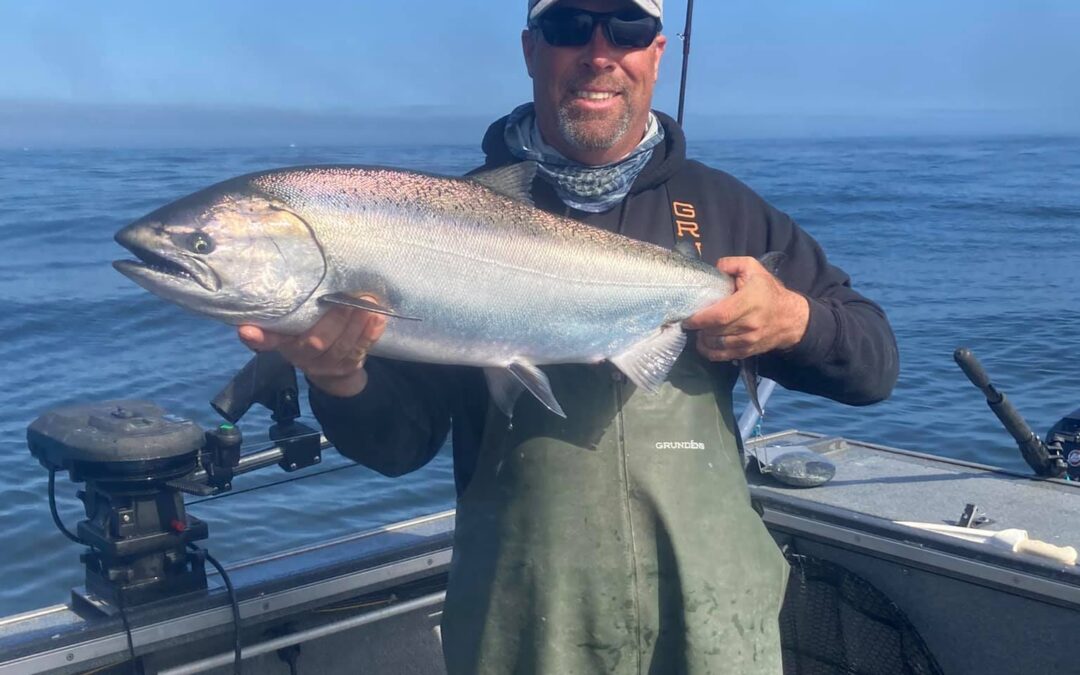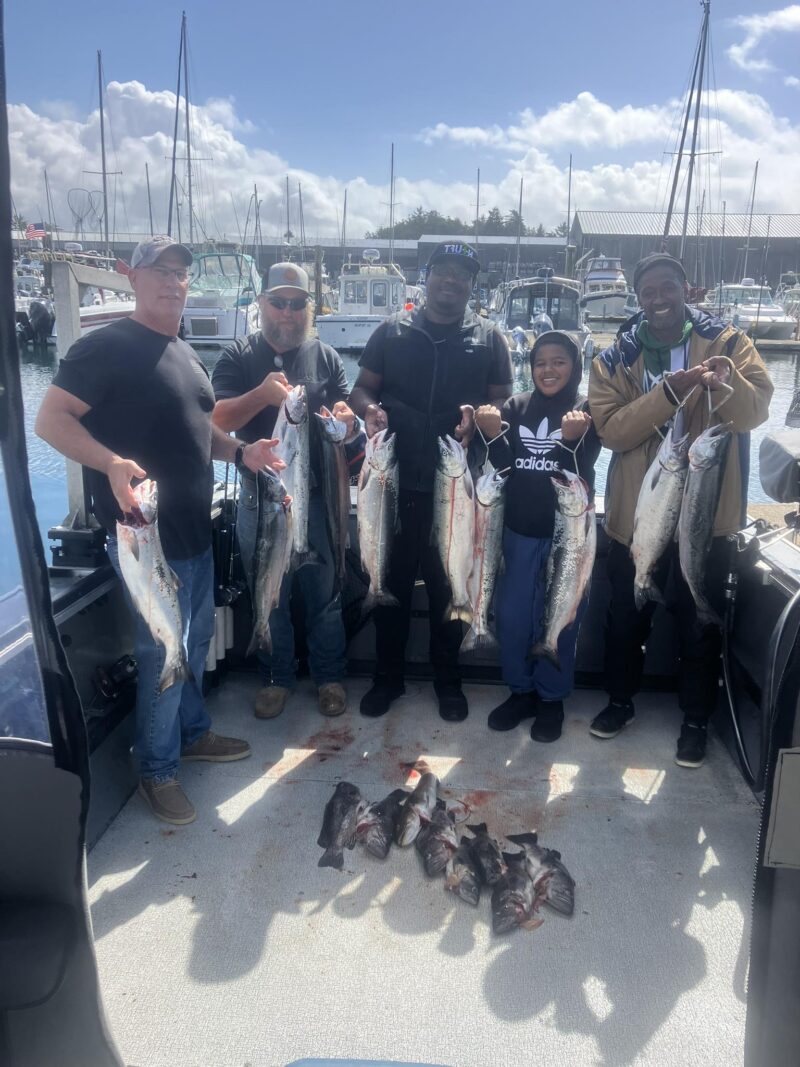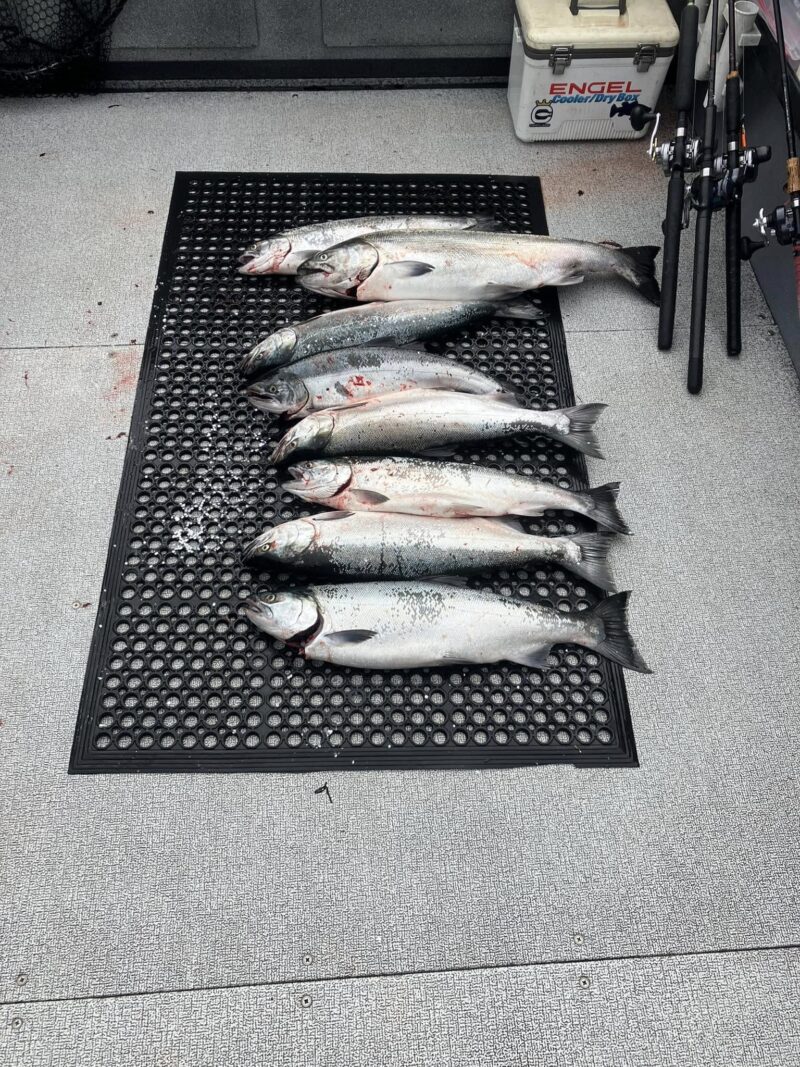
What to Pack for a Fishing Trip in Oregon

What to Pack for a Fishing Trip in Oregon

What to Pack for a Fishing Trip in Oregon

Planning a fishing trip in Oregon is more than just grabbing a rod and heading to the nearest river or lake. With its diverse landscapes, changing weather patterns, and wide variety of fishing opportunities — from deep sea charters off the coast to serene high mountain lakes and mighty rivers like the Columbia — Oregon offers a dream destination for anglers. But with that variety comes the need for proper preparation.

Packing the right gear and essentials can make the difference between a frustrating outing and a successful adventure. Whether you’re targeting trout in the Cascades, salmon on the Rogue River, or bottom fish off the coast, this guide will help you get ready for any type of fishing trip in Oregon.

Fishing is a way of life

Essential Fishing Gear

First and foremost, your fishing gear should match the species you’re targeting and the water body you’ll be exploring. Oregon offers freshwater, saltwater, and fly fishing opportunities, so plan accordingly.

  1. Rods and Reels
    Pack at least one rod and reel combination suitable for your target species. For trout and panfish in lakes and streams, a light spinning rod will work well. For salmon or steelhead in rivers, a medium to heavy-action rod is a better choice. Ocean anglers may need heavier gear for deep-sea fishing or tuna.
  2. Tackle and Lures
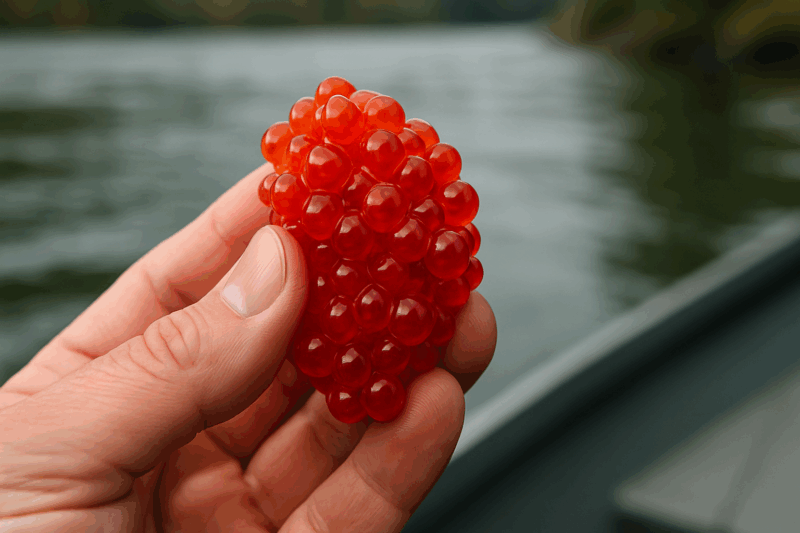
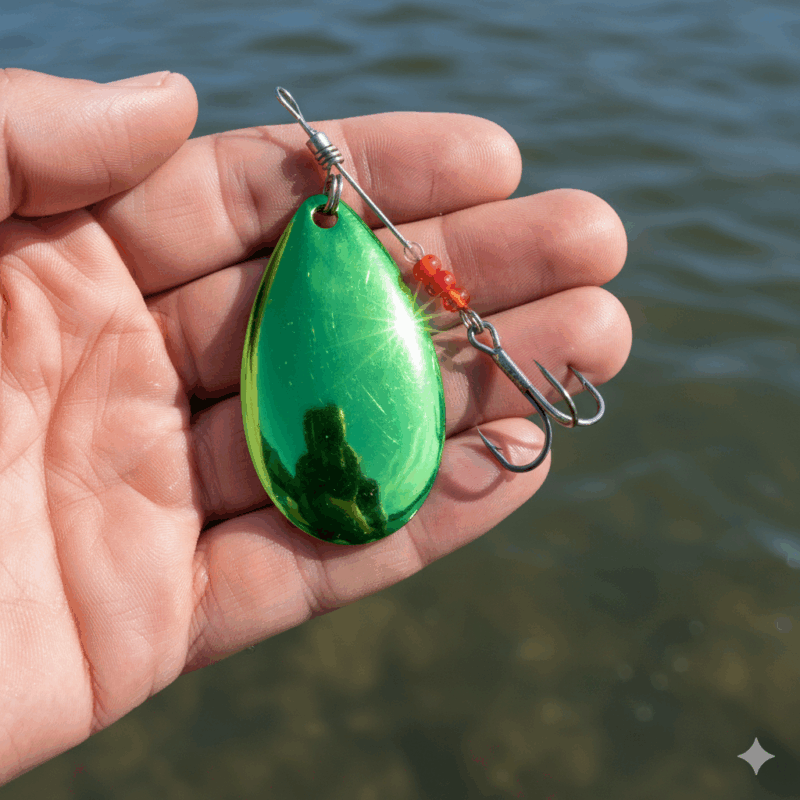
    Include a well-organized tackle box with essentials such as hooks, sinkers, swivels, bobbers, jigs, spinners, crankbaits, and soft plastics. Oregon waters require a range of tackle options depending on water clarity and species. Don’t forget bait if you’re not using artificial lures — many lakes and rivers allow nightcrawlers, salmon eggs, or shrimp.
  3. Fishing Line and Extras
    Carry extra spools of fishing line, especially if you’re going to remote areas where replacements aren’t easy to find. Monofilament is versatile, but you may also want fluorocarbon or braided line for specific situations.
  4. Fishing License
    Oregon requires a valid fishing license for anyone 12 and older. Depending on the type of fishing trip in Oregon you’re planning, you might also need a Combined Angling Tag or a Columbia River Basin Endorsement. Always check regulations before heading out.


Clothing for Oregon’s Changing Weather

One of the biggest mistakes anglers make is underestimating Oregon’s unpredictable weather. Whether you’re fishing on the coast or deep in the mountains, conditions can shift quickly — and you’ll want to be prepared.

  1. Layered Clothing
    The key to comfort is dressing in layers. Start with a moisture-wicking base layer to keep sweat away from your skin. Add an insulating layer such as fleece, and top it off with a waterproof and windproof jacket. This setup will let you adapt to cold mornings, hot afternoons, and sudden rain.
  2. Waterproof Pants and Boots
    If your fishing trip in Oregon involves wading into rivers or standing on a wet boat deck, waterproof gear is a must. Durable rain pants and waterproof boots or waders will keep you dry and warm throughout the day.
  3. Hat and Gloves
    A wide-brimmed hat or cap protects you from the sun and glare, while gloves provide warmth and protection when handling line and fish. For cold-weather fishing, consider insulated gloves with a waterproof outer layer.
  4. Sunglasses with UV Protection
    Polarized sunglasses are critical for reducing glare off the water, helping you spot fish more easily and protect your eyes from harmful UV rays. They also reduce eye strain during long days outdoors.

fishing rod and net hanging from a boat in the sea

Safety and Survival Essentials

Fishing in Oregon often means heading into remote areas, far from cell service and supplies. Having a few safety essentials on hand can help you stay prepared for any situation.

  1. First Aid Kit
    Pack a small, waterproof first aid kit with bandages, antiseptic wipes, pain relievers, tweezers, and any personal medications you might need.
  2. Navigation Tools
    A physical map, compass, and GPS device or phone with offline maps can be lifesavers if you get lost or lose signal. Always let someone know your fishing location and expected return time.
  3. Emergency Blanket and Fire Starter
    If your fishing trip in Oregon takes you deep into the wilderness, pack an emergency blanket and waterproof fire-starting kit. Unexpected delays or injuries can quickly become dangerous in cold or wet conditions.
  4. Whistle or Signal Device
    A whistle can be used to alert others if you’re in distress. It’s a simple, lightweight tool that’s easy to carry and can save your life in an emergency.


Food, Water, and Personal Items

No fishing trip in Oregon is complete without proper nourishment and hydration. Even if you’re only going out for a few hours, bringing the right supplies can keep your energy up and your trip enjoyable.

  1. Snacks and Meals
    Bring high-energy, easy-to-carry food such as trail mix, protein bars, jerky, or sandwiches. For longer trips, consider packing a small cooler with perishables or a portable stove for hot meals.
  2. Water Bottles or Hydration Packs
    Dehydration is a risk even in cool weather. Carry at least two liters of water per person and consider a filtration system or purification tablets if you’ll be near a natural water source.
  3. Sunscreen and Insect Repellent
    Oregon sun can be deceptive, especially at higher elevations or on the water. Apply sunscreen throughout the day, and bring insect repellent to fend off mosquitoes and ticks.
  4. Towel and Hand Sanitizer
    Fishing gets messy. A towel helps you dry off or clean up, while hand sanitizer is useful before meals or after handling bait and fish.

person holding gray and red fish

Extras for Comfort and Convenience

Sometimes it’s the small extras that elevate a good fishing trip in Oregon to a great one.

  1. Folding Chair or Camp Stool
    If you’re bank fishing or waiting for a bite, having a comfortable seat makes a big difference.
  2. Cooler for Your Catch
    A good-quality cooler with ice will keep your fish fresh until you get home. Choose a size based on the species and how long you’ll be out.
  3. Multi-Tool or Fishing Pliers
    These are handy for cutting line, removing hooks, or making quick gear adjustments.
  4. Camera or Smartphone
    Don’t forget to document your adventure. Whether it’s a trophy catch or a beautiful sunrise, you’ll want to share the memories.


Tailoring Your Packing List to the Season

Each season brings different challenges and packing needs for a fishing trip in Oregon:

  • Spring: Still chilly and rainy. Focus on waterproof layers, warm clothing, and steelhead gear.

  • Summer: Pack sun protection, lighter clothing, and gear for warm-water species like bass and offshore tuna.

  • Fall: Expect cool mornings and possible rain. Great time for salmon fishing — bring heavy-duty tackle.

  • Winter: Cold weather gear is essential. Focus on insulated clothing, safety equipment, and gear for winter steelhead or trout.


A successful fishing trip in Oregon starts with smart packing. With diverse fishing opportunities across mountains, rivers, and the coast, each trip is unique and requires thoughtful preparation. From essential gear and layered clothing to safety tools and snacks, every item you bring plays a role in your comfort and success on the water.

So before you cast your line into Oregon’s scenic waters, take time to pack carefully. Whether you’re after a record-breaking salmon or a peaceful day with nature, you’ll be glad you came prepared.

Top 10 Oregon Fishing Destinations to Visit

Top 10 Oregon Fishing Destinations to Visit

Top 10 Oregon Fishing Destinations to Visit

Oregon is a paradise for fishing enthusiasts. From the saltwater bounty of the Pacific Ocean to the trout-filled alpine lakes and salmon-rich rivers, the state offers some of the most exciting and rewarding fishing experiences in the country. With each region offering something unique, it’s no wonder that Oregon fishing destinations are at the top of many anglers’ bucket lists. Whether you’re a beginner with a rod and reel or a seasoned fly fisherman chasing elusive steelhead, there is a perfect spot waiting for you. Here are ten must-visit Oregon fishing destinations that deliver both scenic beauty and unforgettable catches.

Oregon landscape - Crown Point Columbia river — Stock Photo, Image

1. Columbia River

The Columbia River is one of the most iconic Oregon fishing destinations and with good reason. Stretching along the northern border of the state, this massive river is home to chinook and coho salmon, steelhead, sturgeon, and walleye. Spring and fall salmon runs bring thousands of anglers to the riverbanks and boats. Many consider the Columbia River one of the best places in the country for trophy sturgeon fishing. Accessible from Portland and various small towns along the river, it is a fishing haven for both locals and visitors.

2. Deschutes River

For those who love fly fishing, the Deschutes River in central Oregon is legendary. Known for its hard-fighting redband trout and steelhead, the Deschutes flows through a rugged canyon filled with wildlife and scenic landscapes. It’s not only one of the top Oregon fishing destinations but also a favorite for rafting and camping. The lower Deschutes, in particular, is known for productive fishing with both dry flies and nymphs, especially during the famous salmonfly hatch in late spring.

3. Tillamook Bay

If you’re looking to combine coastal charm with excellent fishing, Tillamook Bay is a standout choice. This estuary on the northern Oregon coast is a hotspot for fall chinook salmon and has one of the most consistent runs in the state. You can fish from the shore, a boat, or a kayak. Crabbing and clamming are also popular in the area, making it one of the more versatile Oregon fishing destinations. The nearby towns of Garibaldi and Bay City provide easy access and plenty of amenities for visiting anglers.

4. Crater Lake

Though not often thought of as a traditional fishing spot due to its deep, cold waters and limited access, Crater Lake earns a spot on this list for its uniqueness. It is the deepest lake in the United States and one of the most visually striking Oregon fishing destinations. Stocked with kokanee salmon and rainbow trout, the lake offers a serene fishing experience unlike any other. Fishing is permitted from shore or by non-motorized boat, and the absence of a need for a fishing license inside the park is a bonus for visitors.

Rogue River Bridge Also Known Isaac Lee Patterson Bridge National — Stock Photo, Image

5. Rogue River

Winding from the Cascade Mountains to the Pacific Ocean, the Rogue River is a versatile waterway that supports a wide range of fish species. Anglers come here for spring and fall chinook salmon, coho salmon, steelhead, and cutthroat trout. The river offers opportunities for both bank and drift boat fishing, and it runs through one of the most scenic areas in the state. With so many options throughout its course, the Rogue River stands out as one of the most popular Oregon fishing destinations year-round.

6. Odell Lake

Odell Lake, located in the Cascade Mountains near Willamette Pass, is a favorite for deepwater fishing. It’s one of the best places in the state to target mackinaw (lake trout), with many fish caught over 20 pounds. The lake also has healthy populations of kokanee and rainbow trout. Surrounded by forested peaks and offering crystal-clear waters, Odell Lake combines breathtaking scenery with excellent angling. It’s one of the quieter Oregon fishing destinations, perfect for those looking to avoid the crowds.

7. Nehalem River

The Nehalem River flows through the Coast Range and into the Pacific near Nehalem Bay. It’s one of the lesser-known but highly productive Oregon fishing destinations. Known for strong fall chinook and winter steelhead runs, this river offers a mix of bank and boat access. The scenic surroundings and lower angling pressure make it an excellent spot for a peaceful fishing trip. The river also flows into a bay where you can fish for crab or launch into the ocean for a variety of saltwater species.

8. Diamond Lake

Diamond Lake, located between Crater Lake and Mount Thielsen, is one of the top trout fisheries in Oregon. It is regularly stocked with rainbow trout and offers excellent fishing from the shore, docks, and boats. During the summer months, the lake is popular with families and recreational anglers. Ice fishing is also an option in winter when the lake freezes over. As a high-elevation lake surrounded by mountains, Diamond Lake provides both beauty and bounty, making it one of the most picturesque Oregon fishing destinations.

John Day Riverbend — Stock Photo, Image

9. John Day River

The John Day River in eastern Oregon is one of the longest undammed rivers in the continental U.S. and offers fantastic smallmouth bass fishing. During the warmer months, anglers can catch dozens of bass in a single outing. The river also has steelhead runs and provides a remote, off-the-beaten-path experience that many anglers crave. If you’re looking for solitude, rugged scenery, and non-stop action, the John Day stands out among Oregon fishing destinations.

10. Siletz River

Tucked away on the central coast, the Siletz River is a hidden gem. It supports a mix of chinook and coho salmon, steelhead, and cutthroat trout. The upper river winds through forests and farmland, offering peaceful conditions and great shore fishing. The lower river near Siletz Bay provides access for boats and the potential for larger catches. Due to its diverse fishing opportunities and quiet charm, the Siletz River is an underrated addition to Oregon fishing destinations worth exploring.

Planning Your Trip

Before visiting any of these Oregon fishing destinations, be sure to check regulations from the Oregon Department of Fish and Wildlife. Seasons, limits, and licensing requirements vary by location and species. Many places offer boat rentals, guided trips, and local tackle shops that can give you updated fishing reports and advice.

Whether you are chasing wild steelhead on a remote river, casting for trout on a pristine mountain lake, or heading into the Pacific for salmon and halibut, Oregon offers something for every type of angler. Each destination has its own character, history, and rhythm — and the joy is in discovering them one cast at a time.

Schedule your Oregon Fishing Charter Today!

Winter Fishing in Oregon: What Bites and Where to Find It

Winter Fishing in Oregon: What Bites and Where to Find It

Winter Fishing in Oregon: What Bites and Where to Find It

When most people think of winter in Oregon, they imagine snow-covered mountains, cozy cabins, and perhaps a steaming mug of hot cocoa by the fire. But for dedicated anglers, winter fishing in Oregon opens a world of opportunity, solitude, and surprising bounty. From icy alpine lakes to flowing coastal rivers, the state offers a diverse and productive cold-season fishing scene that many overlook.

Whether you’re a seasoned local or a visitor with a rod in hand, here’s what you need to know about winter fishing in Oregon—what’s biting, and where to cast your line.

Woman on field against sky during winter

The Appeal of Winter Fishing in Oregon

While summer and fall tend to draw the bulk of anglers, winter has its unique advantages. For starters, the crowds thin out, offering a more peaceful experience. With fewer boats on lakes and less foot traffic along riverbanks, you can often claim prime fishing spots without competition.

Another major perk? Some of the state’s most sought-after fish are more active in cold months. This includes the prized winter steelhead, a powerful and elusive catch that brings anglers from across the Pacific Northwest to Oregon’s rivers.

What Fish Bite in Oregon’s Winter Waters?

Not every fish is eager to bite when temperatures drop, but winter fishing in Oregon still offers a variety of targets. Here’s a breakdown of some popular cold-weather catches:

1. Winter Steelhead

Without a doubt, the crown jewel of winter fishing in Oregon is the steelhead. These ocean-going rainbow trout return to freshwater rivers from December through March, providing thrilling action for anglers.

Winter steelhead are known for their strength and unpredictability, making them a favorite among fly fishers and spin casters alike. The best rivers for steelhead include:

  • Wilson River (near Tillamook): Offers excellent bank access and healthy steelhead runs.

  • Clackamas River (near Portland): Popular for its proximity to the metro area and consistent returns.

  • Rogue River (southern Oregon): One of the longest rivers in the state, with both hatchery and wild fish.

  • Siletz River (central coast): A scenic and productive steelhead fishery with good public access.

2. Trout (Rainbow and Cutthroat)

While high-elevation lakes are often frozen, many lower elevation and coastal lakes remain fishable year-round. ODFW (Oregon Department of Fish and Wildlife) regularly stocks select lakes with rainbow trout even during winter months.

  • Dexter Reservoir (Lane County): Offers good winter trout fishing close to Eugene.

  • Laurance Lake (Hood River County): Can be productive in early winter before deep freeze sets in.

  • Coastal Lakes (like Carter and Siltcoos): Stay relatively temperate and support healthy cutthroat and rainbow populations.

Some rivers, such as the Deschutes or Fall River, also offer catch-and-release opportunities for wild trout throughout the colder months.

3. Kokanee and Landlocked Salmon

While not as easy to find in winter, some kokanee fisheries stay active if the lake doesn’t freeze over. Look to deeper, colder lakes like:

  • Green Peter Reservoir (Linn County): A kokanee hotspot with occasional winter action.

  • Detroit Lake (Marion County): Access varies depending on snow and road conditions, but it can be worth the effort.

4. Sturgeon

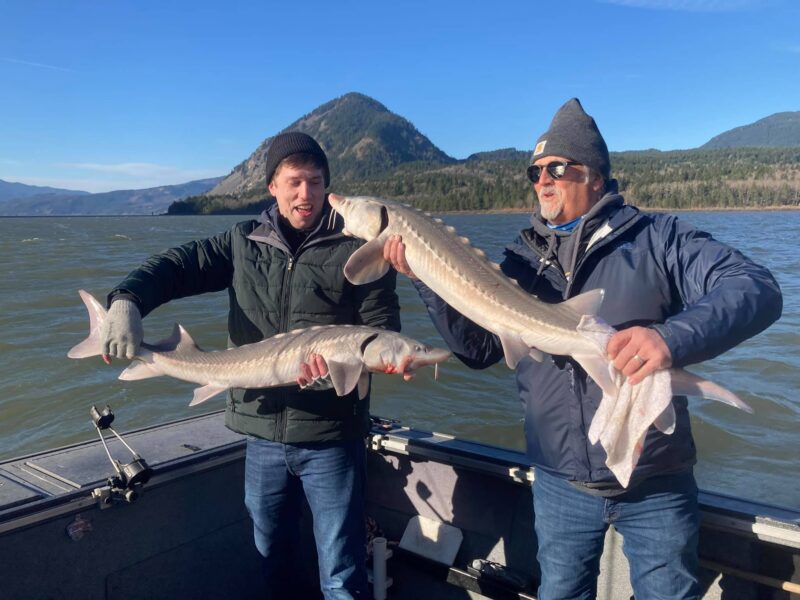
Lower Columbia River and Willamette River offer winter sturgeon fishing that’s both challenging and rewarding. These prehistoric fish can be found in deep holes where water temperatures are stable.

While sturgeon fishing in winter may require more specialized gear and patience, it’s a bucket-list experience for many anglers.

Man releasing the fish from rod's bait

Where to Go: Oregon’s Top Winter Fishing Spots

To make the most of winter fishing in Oregon, knowing where to go is as important as knowing what to fish for. Here are some of the best winter fishing locations categorized by region:

Northwest Oregon

  • Wilson and Trask Rivers: Prime steelhead territory, both rivers feature excellent access and natural beauty.

  • Nestucca River: Offers early-run hatchery steelhead, ideal for those itching to start the season in December.

  • Hagg Lake: This stocked reservoir stays open and fishable, offering a chance at winter trout.

Southwest Oregon

  • Rogue River: One of the most consistent winter steelhead fisheries, especially below Grants Pass.

  • Coquille River System: Offers solitude and a mix of wild and hatchery steelhead.

  • Galesville Reservoir: Stocked with trout, this reservoir rarely freezes and offers good boat access.

Central Oregon

  • Fall River: A spring-fed tributary of the Deschutes, Fall River stays fishable all winter and supports active trout populations.

  • Crooked River: Below Bowman Dam, the water stays a relatively consistent temperature and provides steady trout action.

Eastern Oregon

  • Owyhee River: Known for its brown trout fishery, the tailwater section remains fishable throughout much of the winter.

  • Unity Reservoir: While often iced over, mild winters can keep the water accessible for cold-weather trout anglers.

Tips for Successful Winter Fishing in Oregon

Cold-weather angling requires a different approach than warmer seasons. Here are some essential tips:

  1. Dress for the weather: Layer up with moisture-wicking and insulating clothes. Neoprene waders and waterproof boots are a must.

  2. Time it right: Fish are often more active during midday when temperatures are slightly warmer. Aim for late morning through early afternoon.

  3. Downsize your gear: In colder water, fish tend to be less aggressive. Use lighter line and smaller presentations.

  4. Be patient: Bites may come less frequently in winter. Stay persistent and move spots if necessary.

  5. Check regulations: Always refer to the current ODFW regulations, especially since winter brings seasonal closures and special rules in many areas.

Man using a fishing rod to catch fish

The Quiet Thrill of Winter Fishing in Oregon

Winter fishing in Oregon is about more than just catching fish—it’s about appreciating the state’s raw, wild beauty during one of its most peaceful seasons. From the misty coastal rivers to the snow-dusted high desert streams, each cast in winter carries a quiet promise of adventure.

While it might take a bit more planning and a thicker jacket, the rewards are well worth it. Whether you’re chasing the silver flash of a steelhead or the spotted shimmer of a winter trout, Oregon’s winter waters are waiting.

So grab your gear, pour a hot thermos of coffee, and experience the magic of winter fishing in Oregon for yourself.

A Guide on Where to Find the Best Steelhead Rivers in Oregon

A Guide on Where to Find the Best Steelhead Rivers in Oregon

A Guide on Where to Find the Best Steelhead Rivers in Oregon

For anglers across the Pacific Northwest, few fish evoke as much passion and pursuit as steelhead. Known for their acrobatic fights and elusive behavior, steelhead are the stuff of legend—and Oregon just so happens to be one of the finest places in the country to chase them. With its abundant rain-fed streams, glacier-fed rivers, and pristine wilderness settings, Oregon offers an unparalleled steelhead experience. Whether you prefer swinging flies in the winter or drifting bait in the summer, this guide to the best steelhead rivers in Oregon will help you get on the water and into fish.

Frozen fish with snow around

Why Oregon is a Steelhead Mecca

Oregon’s unique geography, which includes both coastal and inland ecosystems, supports both winter-run and summer-run steelhead. Winter steelhead generally return from December through April, while summer runs appear between June and September, often lingering into fall. This dual-run system means that you can fish for steelhead somewhere in the state nearly year-round.

The state’s strong conservation efforts, hatchery programs, and wild fish protections also mean anglers can enjoy a mix of catch-and-keep and catch-and-release opportunities, depending on location and season.

Now, let’s dive into the best steelhead rivers in Oregon and what makes each one worth your time.


1. Rogue River

Located in Southern Oregon, the Rogue River is one of the state’s most famous waterways. Flowing from Crater Lake National Park all the way to the Pacific Ocean, it offers both summer and winter steelhead runs.

  • Best Time to Fish: Summer steelhead arrive in June and peak in September, while winter steelhead show up from January to March.

  • Top Access Points: Grants Pass, Shady Cove, and the lower river near Gold Beach.

  • Techniques: Drift fishing with roe or worms, swinging flies, and pulling plugs are all effective.

The Rogue is one of the most scenic steelhead rivers in Oregon, flowing through remote canyons and offering multi-day float trips for adventurous anglers.


2. Deschutes River

For fly anglers, the Deschutes River is holy ground. This Central Oregon river is best known for its summer steelhead, which enter the river from the Columbia starting in July, with peak fishing in September and October.

  • Fly Fishing Only: In many sections, particularly the lower Deschutes, fishing is restricted to fly gear.

  • Wading: No boats are allowed to fish while floating in the lower 100 miles of the river, making it a classic walk-and-wade fishery.

  • Hot Spots: The mouth of the Deschutes at the Columbia River, Warm Springs, and Maupin.

If you’re looking for one of the most iconic steelhead rivers in Oregon for fly fishing, the Deschutes is unmatched.

Trees in water

3. Umpqua River System

Located in Southwest Oregon, the North and South Umpqua Rivers offer year-round steelhead opportunities. The North Umpqua, in particular, is legendary among fly anglers.

  • North Umpqua: A fly-fishing-only stretch exists from the Soda Springs Dam to Rock Creek.

  • South Umpqua: More accessible for gear anglers with productive winter steelhead runs.

  • Best Time: Winter steelhead peak in January through March; summer steelhead in the North Umpqua arrive as early as June.

With lush forest surroundings and wild fish populations, the Umpqua River system stands out as one of the most diverse steelhead rivers in Oregon.


4. Clackamas River

Just a short drive from Portland, the Clackamas River is one of the most accessible steelhead rivers in Oregon for urban anglers. It’s a productive river for both hatchery and wild steelhead, particularly in winter.

  • Winter Steelhead: Peak from January to March.

  • Summer Steelhead: Smaller runs, typically starting in May and continuing through summer.

  • Popular Spots: McIver State Park, Carver, and Barton Park.

Because of its proximity to the metro area and regular hatchery stocking, the Clackamas is a great choice for new steelhead anglers looking to learn the ropes.


5. Sandy River

Another great Portland-area river, the Sandy River is fed by glacial runoff from Mount Hood and flows into the Columbia. This river offers solid winter and summer steelhead runs with ample public access.

  • Winter Run: The main draw, peaking in February.

  • Best Access: Oxbow Regional Park, Dodge Park, and the mouth of Cedar Creek near the hatchery.

  • Methods: Side-drifting, float fishing, and swinging intruder-style flies.

The Sandy’s proximity and fish counts make it one of the most active urban steelhead rivers in Oregon.


6. Nestucca River

Located on the North Coast near Pacific City, the Nestucca River is a smaller, more intimate stream that delivers outstanding winter steelhead fishing.

  • Best Time: January through March.

  • Popular Techniques: Bobber-dogging, drift fishing, and casting spinners.

  • Bonus: The Three Rivers tributary is a prime hatchery steelhead destination.

For anglers seeking a productive yet scenic coastal experience, the Nestucca is a hidden gem among steelhead rivers in Oregon.


7. John Day River

One of the longest free-flowing rivers in the contiguous U.S., the John Day River is a high-desert beauty that offers wild summer steelhead and remarkable scenery.

  • Best Season: September through November.

  • Tactics: Swinging traditional steelhead flies on floating lines or light gear setups.

  • Conservation Note: The John Day is strictly catch-and-release for steelhead, and home to one of the healthiest wild populations in the state.

Its remoteness and natural beauty make it a bucket-list destination for those seeking wild fish in wild places.

Fly Fishing, Catch and release of large Brook Trout

Tips for Success on Oregon’s Steelhead Rivers

Whether you’re a seasoned steelheader or new to the sport, a few key tips will increase your odds of success:

  1. Check Regulations: Rules vary between rivers and change seasonally. Visit the ODFW website for the latest.

  2. Gear Up Accordingly: Use 8-9 foot medium-heavy rods for winter steelhead; lighter rods work better for summer fish.

  3. Respect the Fish: Practice ethical catch-and-release techniques, especially for wild steelhead.

  4. Timing Is Everything: Water levels, clarity, and temperature can all affect fish activity. Monitor river flows before your trip.

  5. Hire a Guide: Especially helpful on new rivers or when chasing elusive wild steelhead.

From the mighty Rogue to the high-desert John Day, the diversity of steelhead rivers in Oregon ensures that every angler can find their ideal challenge. Whether you prefer the solitude of remote canyons, the tradition of swinging flies, or the thrill of chasing chrome-bright fish close to home, Oregon has a steelhead stream for you.

Fishing these rivers is more than a sport—it’s a connection to wild places, resilient fish, and time-honored tradition. So grab your rod, study the river flows, and explore the unforgettable experience of fishing the best steelhead rivers in Oregon.


The Ultimate Oregon Fishing Bucket List: Species, Seasons, and Destinations

The Ultimate Oregon Fishing Bucket List: Species, Seasons, and Destinations

The Ultimate Oregon Fishing Bucket List: Species, Seasons, and Destinations

Oregon is a true angler’s paradise, where mountain-fed rivers meet the wild Pacific, and alpine lakes reflect the snowy peaks. Whether you’re a weekend hobbyist or a diehard outdoorsman, there’s no better place to explore a wide range of freshwater and saltwater fishing experiences.

To help you make the most of your time on the water, we’ve compiled the ultimate Oregon fishing bucket list — packed with legendary fish species, ideal seasons to target them, and the destinations you won’t want to miss.


Chinook Salmon on the Columbia River

No Oregon fishing bucket list is complete without chasing the mighty Chinook salmon. Known as “kings” for a reason, these fish are powerful, elusive, and absolutely thrilling to catch.

  • Best time: Spring (March–May) and Fall (August–October)

  • Top spots: Bonneville Dam, Astoria, and the mouth of the Columbia River

  • Why it’s bucket list-worthy: These fish can reach up to 50 pounds and are prized for both sport and flavor. Few experiences rival a Columbia River king salmon run.

a bird with a fish in it's mouth in the water

Steelhead on the Rogue River

Steelhead trout are the ocean-going cousins of rainbow trout and are among the most exciting fish to hook. Known for their acrobatics and sheer fight, they’re a staple on any Oregon fishing bucket list.

  • Best time: Winter run (December–February), Summer run (June–September)

  • Top spots: Rogue River, Umpqua River, Deschutes River

  • Why it’s bucket list-worthy: Steelhead are unpredictable, powerful, and beautiful. The Rogue River, in particular, offers incredible scenery along with top-tier angling.


Halibut and Lingcod Off the Oregon Coast

Looking for something bigger and saltier? The Oregon coast offers epic bottom fishing, including for Pacific halibut and feisty lingcod.

  • Best time: Halibut (May–September), Lingcod (March–October)

  • Top spots: Newport, Depoe Bay, and Brookings

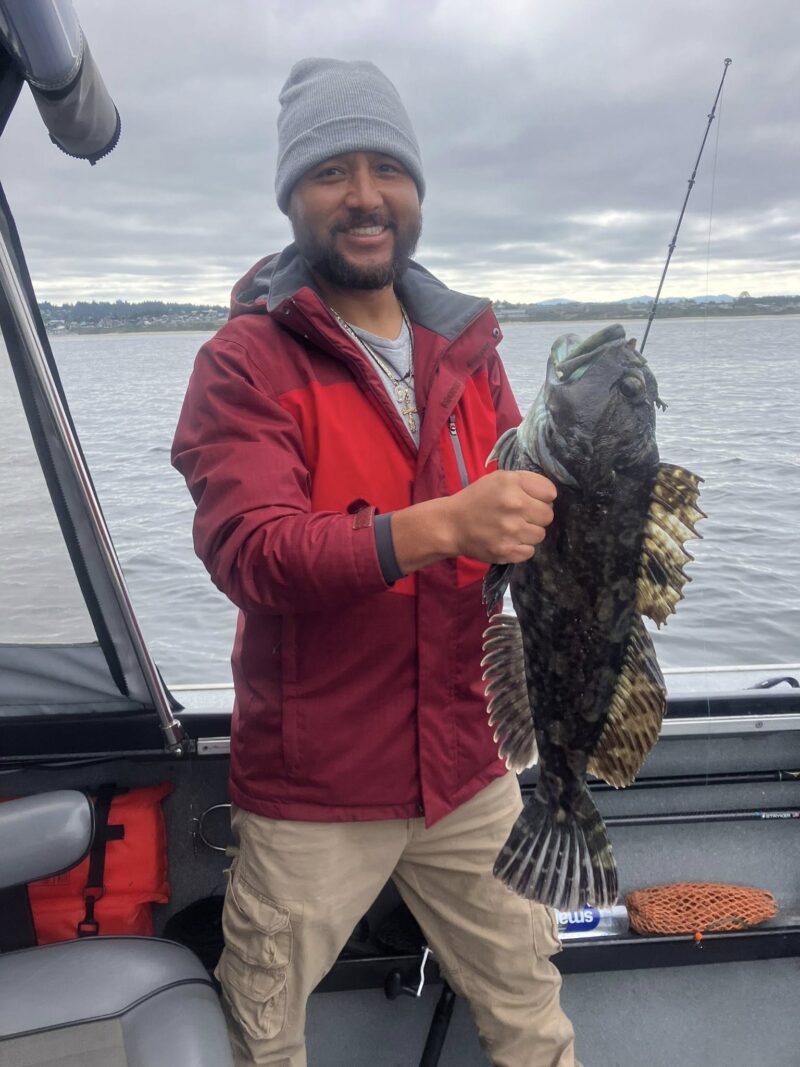
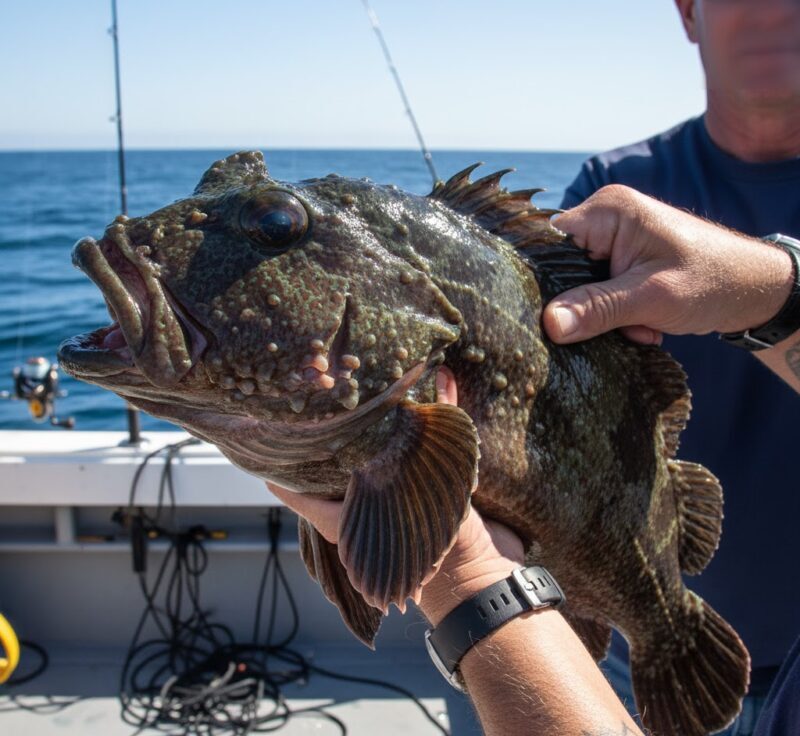
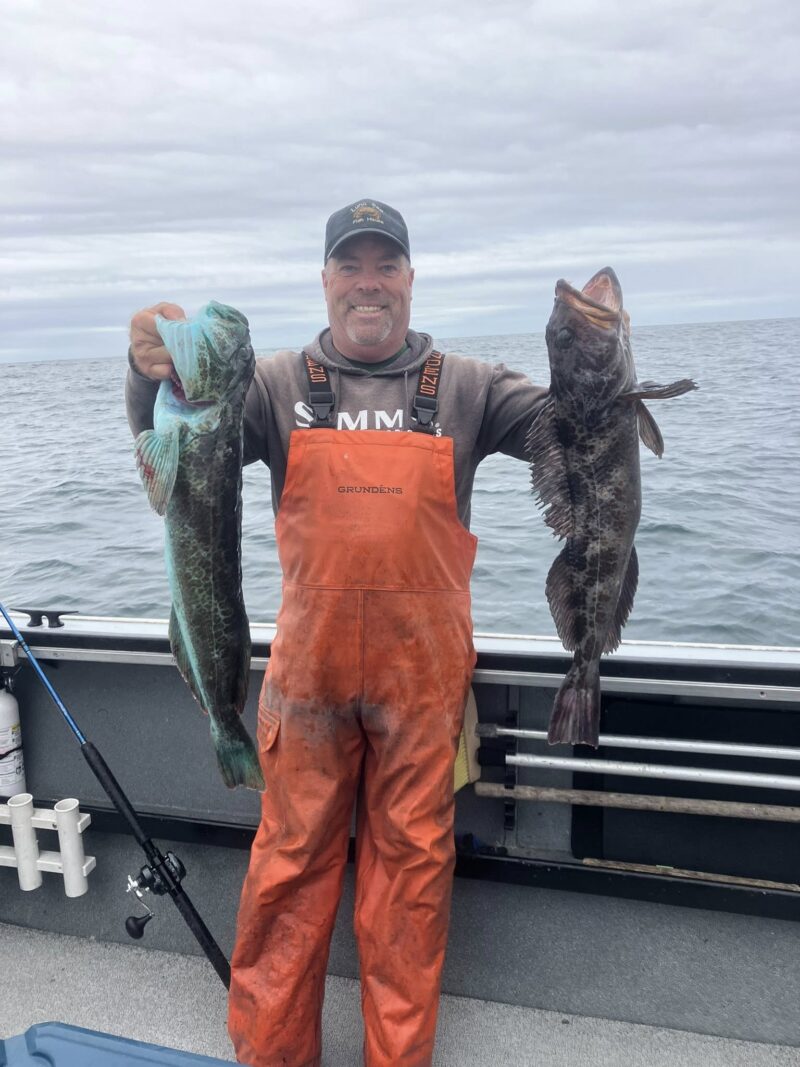
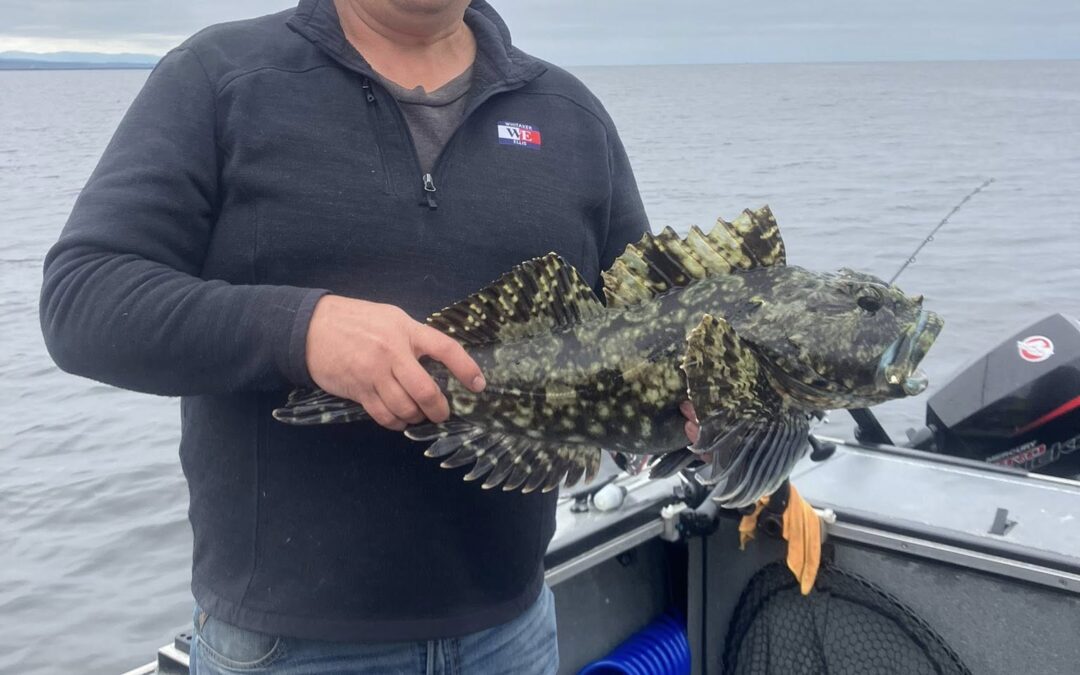
  • Why it’s bucket list-worthy: There’s nothing like feeling a halibut hit your bait at 300 feet deep. Lingcod, with their gaping jaws and electric-blue flesh, are just as memorable.


Albacore Tuna out of the Pacific

For offshore enthusiasts, few things will light up your reel like Oregon’s summer tuna runs. Albacore tuna are fast, aggressive, and travel in big schools, making for nonstop action.

  • Best time: July–September (when ocean temps hit 58°F+)

  • Top spots: Garibaldi, Charleston, and Winchester Bay

  • Why it’s bucket list-worthy: Tuna fishing here feels more like something out of Baja than the PNW. It’s fast-paced, offshore excitement that belongs on every Oregon fishing bucket list.

Free Trout Fish photo and picture

Trout in High Alpine Lakes

When the snow melts and the trails open, head for Oregon’s high country. Hundreds of remote lakes hold native rainbow, brook, and cutthroat trout — and often, you’ll have the water all to yourself.

  • Best time: Late June through September

  • Top spots: Three Sisters Wilderness, Wallowa Mountains, Mount Jefferson Wilderness

  • Why it’s bucket list-worthy: It’s not just about the fish — it’s the hike, the views, and the quiet. Catching wild trout on a dry fly with no one else in sight is pure Oregon magic.


Kokanee in Central Oregon Lakes

Kokanee are landlocked sockeye salmon that fight hard and taste amazing. They’re plentiful in several of Oregon’s reservoirs and are a favorite for anglers who enjoy light tackle and fast action.

  • Best time: Late spring to mid-summer

  • Top spots: Odell Lake, Wickiup Reservoir, Green Peter Reservoir

  • Why it’s bucket list-worthy: Kokanee often school in large numbers, so once you find them, the action is non-stop. Plus, they’re incredible on the grill.


Smallmouth Bass on the John Day River

Smallmouth bass might not be native to Oregon, but they’ve made a name for themselves in several eastern rivers. The John Day offers one of the most prolific warmwater fisheries in the state.

  • Best time: June through September

  • Top spots: Cottonwood Canyon State Park, Clarno to Service Creek float

  • Why it’s bucket list-worthy: With hundreds of strikes a day possible, this fishery offers insane numbers. Add in canyon views, wildlife, and solitude, and it’s an unforgettable float trip.

usa, oregon, rockaway beach, portrait of people holding crabs - oregon fishing stock pictures, royalty-free photos & images

Crabbing and Clamming on the Coast

Okay, technically not fishing — but if you’re putting together the ultimate Oregon fishing bucket list, shellfish deserve a place. Dropping crab pots and digging for clams is part of coastal life here.

  • Best time: Year-round, with peaks in fall and winter

  • Top spots: Tillamook Bay, Netarts Bay, and Yaquina Bay

  • Why it’s bucket list-worthy: Few things are more satisfying than catching your own Dungeness crab for dinner. It’s a fun, family-friendly activity with delicious rewards.


Fly Fishing the Metolius River

For fly anglers, the Metolius is a crown jewel — crystal-clear, spring-fed, and home to wary wild trout and elusive bull trout.

  • Best time: Year-round, but best hatches are May–September

  • Top spots: Near Camp Sherman and Wizard Falls

  • Why it’s bucket list-worthy: The Metolius is challenging but rewarding. It’s a technical river that demands finesse, but its beauty and potential for big fish make it iconic.


Trophy Lake Trout at Wallowa Lake

This glacier-carved lake in Eastern Oregon holds some of the state’s largest lake trout (mackinaw). While not as famous as salmon or steelhead, catching a 30-pound laker is a unique experience.

  • Best time: Spring (April–June)

  • Top spots: Wallowa Lake near Joseph

  • Why it’s bucket list-worthy: It’s remote, wild, and the fish are huge. Combine this with views of the Wallowa Mountains and you’ve got a lesser-known gem worthy of your Oregon fishing bucket list.


Planning Your Oregon Fishing Adventures

To tackle your full Oregon fishing bucket list, you’ll want to plan ahead. Seasons vary widely depending on the species and region, and many fisheries have specific regulations or permit requirements.

A few tips for getting started:

  • Check regulations with the Oregon Department of Fish and Wildlife (ODFW)

  • Hire a local guide for bucket list species like steelhead, halibut, or tuna

  • Time your trips based on migration patterns and weather windows

  • Pack for Oregon’s climate, which can swing between sunny and soggy, especially on the coast

Many anglers spend a lifetime working through the Oregon fishing bucket list, and even then, they keep finding new waters to explore and new fish to chase.

From the salty surf of the Pacific to the still waters of alpine lakes, Oregon’s fishing opportunities are as diverse as its landscapes. Whether you’re looking to battle ocean predators or quietly stalk trout in a mountain stream, there’s a destination and a season calling your name.

So grab your rod, pick a spot, and start checking off your Oregon fishing bucket list. Because the only thing better than dreaming about these adventures… is living them.