Top 10 Fishing Destinations in Oregon

Top 10 Fishing Destinations in Oregon

Top 10 Fishing Destinations in Oregon

Oregon is generally considered to be one of the most diverse fishing states in the country. Anglers have access to an incredible variety of water, fish and seasons. The state provides freshwater and salt water fishing, fly fishing, bank fishing and boat fishing, throughout the year. Let’s discusses those best fishing locations, the unique characteristics of each location, the fish you can catch and why each location is pivotal to the Oregon fishing image.

Why Oregon is the best fishing state in America.

The attractiveness of Oregon is due to the diversity of its geography and ecology. The state is endowed with a Pacific coastline stretching to over 360 miles, great river systems including the Columbia and the Rogue, hundreds of natural lakes and reservoirs between mountains and valleys and high deserts. The fishing culture of Oregon has been formed by the salmon and steelhead runs over the years, trout streams, bass lakes, and ocean fisheries have kept the angler finding productive water throughout the seasons. Fishing has been identified as a pillar of outdoor economy in Oregon due to the growing interest in outdoor recreation and the large spending in record tourism over recent years.

How These Top Oregon Fishing Destinations Were Selected

The selection of destinations was based on a combination of factors: fish variety, reliable catch, accessibility, reliability of season, and long-time reputation of angler and guides. Recreational and competitive opportunities were taken into account and waters that are conducive to fly fishing, conventional tackle and saltwater angling. They all create a harmonious picture of the most popular and efficient fishing sites in Oregon.

1. Fishing Columbia River Oregon.

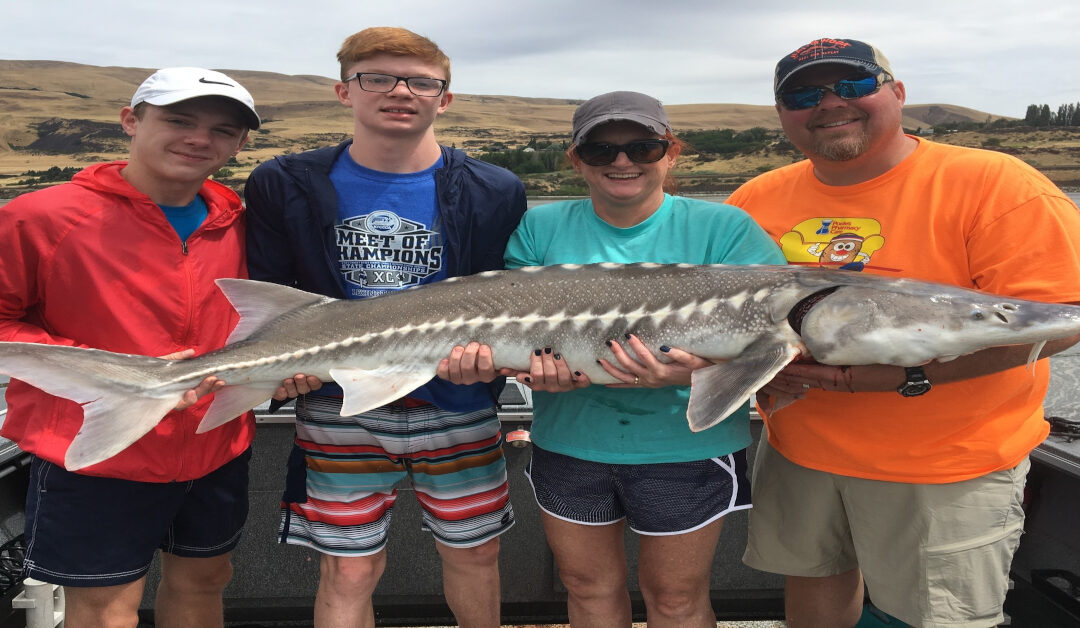
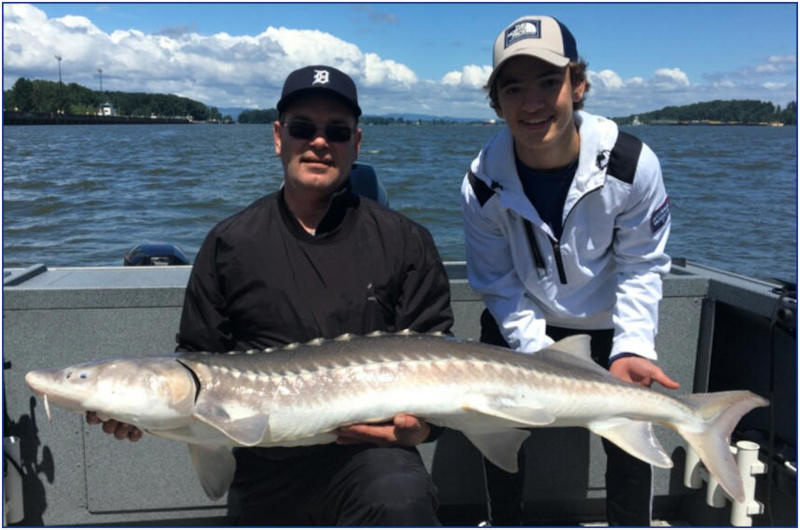
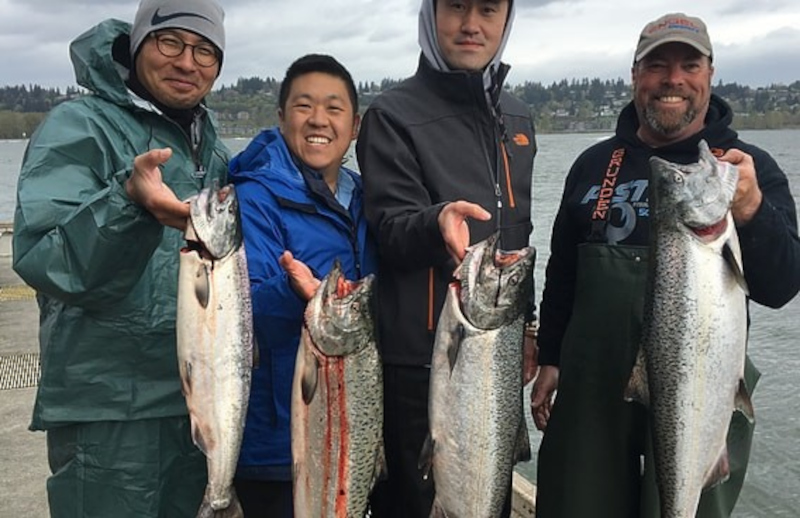
Columbia River is the foundation of the Oregon fishing and one of the most recognized rivers in North America. It has large runs of Chinook salmon, coho salmon and steelhead as well as sturgeon fishing of international quality. Its slows also have smallmouth bass and walleye. Fishing is available throughout the year and the salmon spring and fall runs attract crowds throughout the country. It is also large and varied, which makes it ideal in bank and boat fishing.

2. Deschutes River Fly Fishing and Trout.

Deschutes River is also a legendary fly fishing river particularly wild redband rainbow trout. It is a year-round, spring-to-fall, river with a dramatic canyon landscape flowing through the central Oregon. Summer and winter steelhead runs also occur in the river, especially in the lower parts. Deschutes is treasured because it has healthy wild fish stocks and the technical, scenic experience is very attractive to many an angler.

3. Rogue River Steelhead and Salmon Fishing.

The Rogue River in Southern Oregon is known to have a strong salmon and steelhead fishery. It is also known particularly in summer steelhead and fall Chinook salmon runs. The combination of drift boat water, the accessibility of the banks, and the wilderness stretches make the river to be versatile to the various skill levels of the angler. The Rogue is also conducive to the smallmouth bass and offers good fishing when the salmon are not in season.

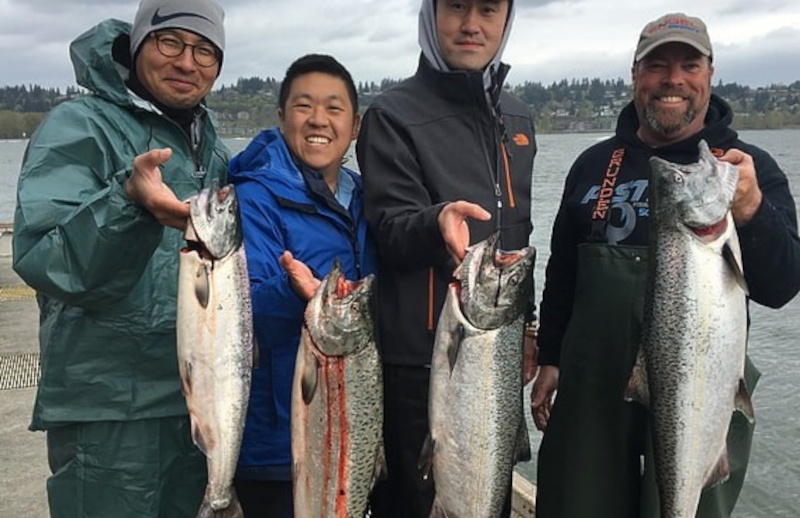
man posing with king salmon at Oregon coast

4. Fishing Willamette River.

One of the most readily available large fisheries of Oregon, and passing through the most populated part of the state, is the Willamette River. It sustains spring and fall Chinook salmon, coho, steelhead and a robust smallmouth bass fishery. It is an urban fishing spot due to its location near Portland and also due to its size and construction that allow bass fishing competitions.

5. Fishing Trout of the McKenzie River in Oregon.

McKenzie River is a clear cold Cascade stream which is famous with native rainbow trout and bull trout. It is also one of the finest trout rivers in Oregon particularly fly fishing. The river runs through woody areas and has steady hatches that are appealing to the angler during the spring and summer months. The populations of its wild fish are safeguarded by strict rules, which emphasize quality, rather than quantity.

6. Umpqua River Steelhead Fishing Destinations

The North Umpqua River is legendary among fly fishermen because of its summer steelhead. The classic runs and emerald green pools have been attracting anglers since decades. Although its most recognized species is summer steelhead, the salmon and winter steelhead are also available within the larger Umpqua system. Fishing in this area is usually technical and tradition-based and should be attractive to those who appreciate tradition and adventure.

7. Southern Oregon Lake and Crater Lake Fishing.

Crater Lake is known to have deep and clear waters and a unique location, however, lakes nearby like Diamond Lake receive more pressure fishing. The lakes of Southern Oregon are famous in trout fishing, such as a rainbow trout and a tiger trout. The elevated levels imply that fishing is at its highest during the late spring and the early fall and therefore these lakes are favored during the summer.

8. John Day River Bass and Trout Fishing.

The John Day River is a free-flowing river and one of the longest in the United States and a great attraction to smallmouth bass. It also helps in supporting wild trout in upper sections. The river passes through the rugged terrain of eastern Oregon, and it is less crowded and quieter. Its bass fishery is very active in late spring and summer.

9. Oregon Coast Saltwater Fishing Guide.

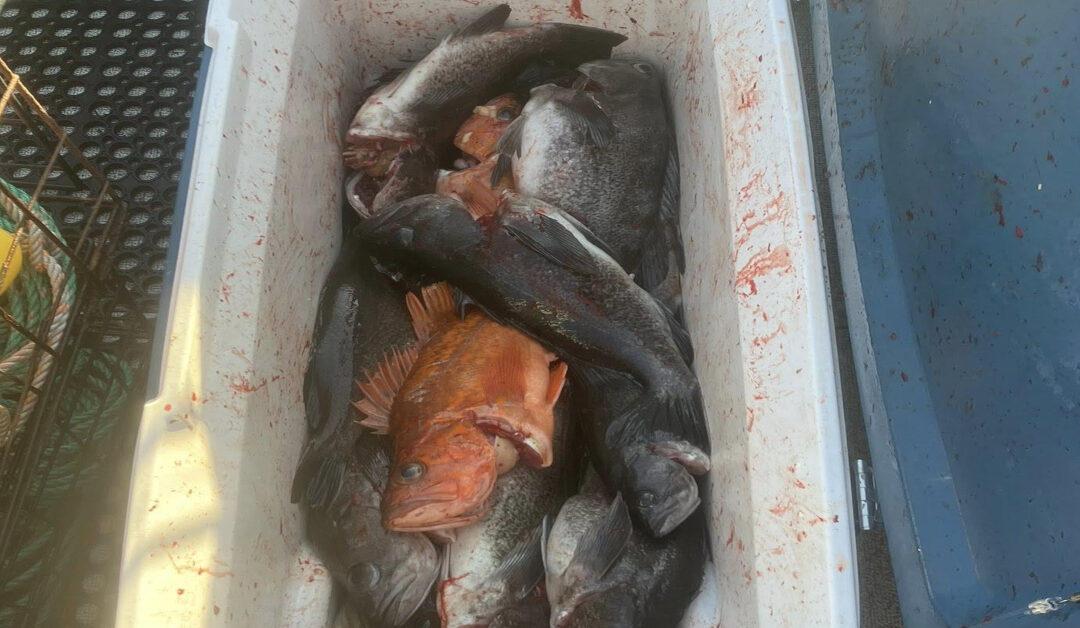
The coastal waters of Oregon have a lot of saltwater fishing that includes halibut, lingcod, rockfish, salmon, and albacore tuna. Ports like Newport, Garibaldi and Astoria are access points to offshore and nearshore fisheries. The coast is also accessible to year-round fishing of the surfperch and crab along the coastal bays, which makes the coast a great all-purpose destination of the angler.

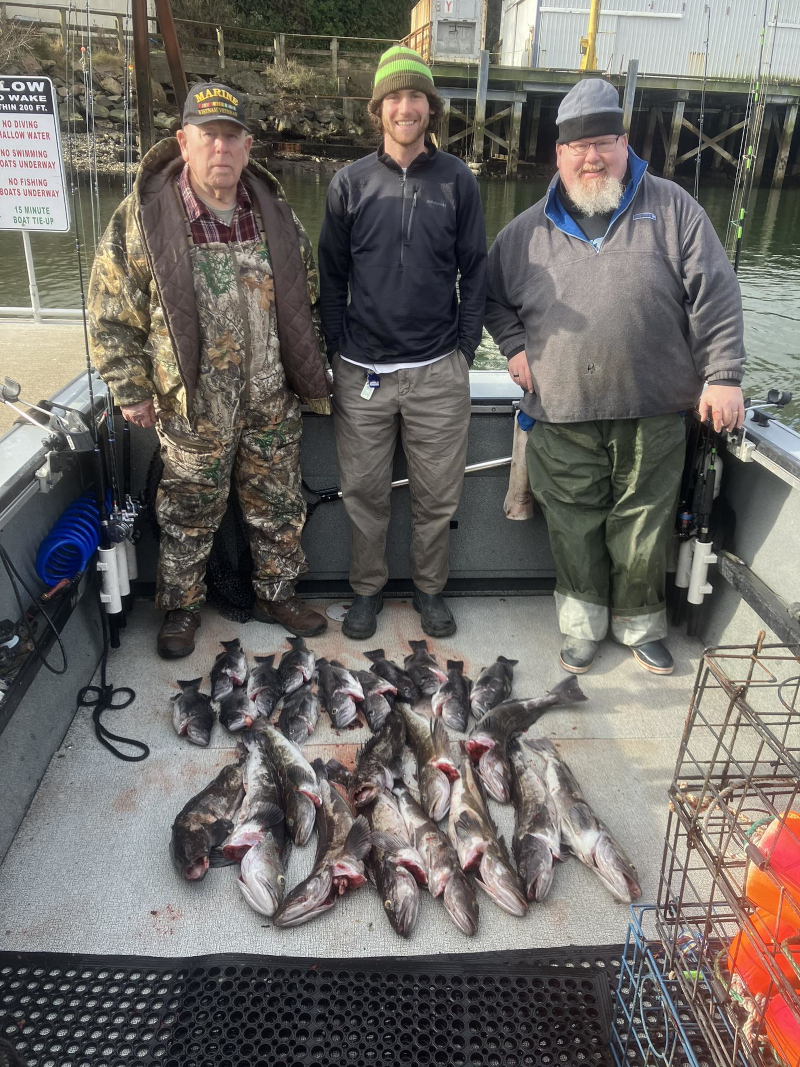
men posing with their catch of great halibut while fishing in Oregon

10. Wallowa Lake and North East Oregon Fishing.

Wallowa Lake is one of the leading spots in trophy lake trout and kokanee salmon. It is located in scenic beauty, accompanied with deep-water fishing potential, over layed on the Wallowa Mountains. The northeast part of Oregon has productive streams and reservoirs which are less pressured than those in the western waters. They attracts the angler who wants to enjoy solitude and large fish.

Planning Your Oregon fishing trip.

The decision on the most suitable fishing destination in Oregon is determined by the season, target species and the style of fishing. These fisheries are very important and their continuation depends on regulations, licensing requirements and conservation practices. Before going out, one should always verify the existing regulations. And this is why you should consider experts like Pastime Fishing Adventures’ help.

Do not miss out as Oregon provides some of the best and most diverse fishing activities in the nation.

Exploring Oregon’s Best Fishing Rivers with Pastime Fishing

Exploring Oregon’s Best Fishing Rivers with Pastime Fishing

Exploring Oregon's Best Fishing Rivers with Pastime Fishing

The combination of rainforests, deserts, farmlands, and valley mountain ranges has always made Oregon a place of attraction to the angler. These landscapes are crossed by freshwater rivers supplying salmon, steelhead, trout, bass and even old sturgeon. Although they all have their own word to say about Oregon, there is a consensus that there is nothing like fishing in Oregon. But, understanding the rivers, the seasons, and the local situations is as important as the rod. Pastime Fishing Adventures helps anglers understand these details so they can make the most of Oregon’s top rivers.

Freshwater Rivers Oregon

The Oregon river system is a varied one. The state is anchored by large rivers such as the Columbia and Willamette. They support the fishing reputation of the state as well as the fishing opportunities throughout the year with smaller tributaries, including the McKenzie, Sandy as well as the Rogue. These streams contain migratory and resident species, which allow an angler to select various fish, depending on the water conditions. However, Oregon fishing is popular. Most residents have a license, and the amount spent annually on freshwater fishing is in millions of dollars.

The distinctive feature of Oregon is the accessibility of the fisheries. Some of the best rivers pass close to population hubs and still remain wild enough to attract an angler every year. That ease has led to the increased popularity of guided fishing among all those interested in spending the most time possible on the water or acquiring the ins and outs of a river.

Oregon River Fishing at Sunset with Pastime Fishing Adventures

The Reason Why Guided River Fishing is the New Normal.

Winning on the rivers of Oregon may depend on the minute particulars that may be overlooked with ease. River levels are affected by rain and snowmelt. Fish runs are seasonal and regulations fluctuate not only between rivers, but among sections. Guided services help to remove most of this ambiguity and the angler can concentrate on fishing instead of logistics.

Pastime Fishing Adventures has navigated these realities for over a decade. Our guides observe river conditions on a daily basis, change techniques depending upon fish behavior, and supply equipment that is appropriate to a given fishery. This is a skill that is connected to a wider Oregon fishing culture where preparation is an important ingredient to effort.

The Columbia River and Power of Big Water.

One of the Oregon fishing centers is the Columbia. Being the biggest Pacific Northwest river, it provides the iconic runs of salmon and steelheads and supports the white sturgeon which is sought out due to its size and difficulty. Winning the Columbia requires special strategies, skills in boats and good understanding of currents and migration routes.

Pastime Fishing Adventures frequently leads Columbia trips, applying strategies suited to its magnitude. To most of the game-fishermen a guide is what turns a perplexing experience into a well-organized enjoyable one. The Columbia is the first step towards the realization of the fact that strategy plus environment fit is better than one-size-fits-all.

The Willamette River and Its Underestimated Diversity.

The Willamette, which runs through the middle of the valley, frequently yields place to the Columbia, but is very folklorically diverse. Anglers have options of spring Chinook salmon, winter steelhead, shad and sturgeon. And even warm-water fish such as walleye depending on the season. This expanse indicates that there is no single species that can define Oregon rivers.

Willamette guided trips focus on flexibility. There is a change throughout the year in water clarity, temperature, and flow. Pastime custom-makes every trip to prevailing circumstances, and select methods and locations that conform to the running. The Willamette is an indication that Oregon fishing is not all salmon and steelhead.

Tributaries That Make the Oregon Experience.

In addition to the large streams, the tributaries define Oregon fishing. The McKenzie is known to have trout, redside rainbow and native cutthroat, and the Sandy and Rogue to have their seasonal steelhead and salmon.

Smaller rivers need an individual touch. Reading water becomes important. Fish is concentrated in definite pockets, seams, and riffles. The experience of Pastime guides allows them to concentrate on quality water and not only coverage. This is a personal style, and it demonstrates the best appreciation of Oregon fishing where slight shift in flow may change everything.

The Right River at the Right Time.

In Oregon fishing timing is a much-disregarded factor. A river which is bad one month may be good another. Spring chinooks, winter steelhead migrations, summer trout hatch and fall salmon returns all have different schedules. The successful fishermen are not only adjusting to these cycles but also reputation.

Successful Oregon River Fishing Trip with Pastime Fishing Adventures

Expert knowledge is something that can be measured. Pastime assists the anglers to not only select a river but the best time to fish in it. The outcome is intentional and not hasty or hesitant.

The freshwater rivers of Oregon provide a challenge and satisfaction to those who do not rush but think thoughtfully. These rivers are hard to explore as they have different species, changing seasons, and complicated systems. Through experience and local knowledge, the angler will no longer rely on guesses and find out why Oregon is one of the most interesting river fishing opportunities in the nation. Don’t wait too long to join in the experience!

Jigging Techniques That Work From Reef to River in Oregon

Jigging Techniques That Work From Reef to River in Oregon

Jigging Techniques That Work From Reef to River in Oregon

Spend a day around guides in Oregon, and you’ll hear the word “jigging” often. It’s a simple way to fish that works from reefs to big rivers. When people ask me about jigging techniques Oregon anglers rely on, I tell them to master one core skill, then apply it everywhere.

What Jigging Is And Why It Works So Well

Jigging is lifting and dropping a weighted lure called a jig. You drop it to the fish, lift the rod so the jig jumps, then let it fall. That hop and flutter looks like an injured baitfish or crab that can’t quite get away, and predators react fast.

The same instinct fires whether the fish is a lingcod on a reef or a walleye in a river channel, which is why jigging works in both saltwater and freshwater. You’re not dragging a lure behind the boat. You’re working it in the strike zone, feeling bottom and reacting to every tap.

Oregon Coast Jigging On The Reefs

On the Oregon coast, jigging shines over rocky reefs and pinnacles. When people talk about Oregon coast jigging, they’re usually picturing a boat set over structure, heavy jigs dropped to the bottom, then a steady lift and drop. Most of the time, you’re only moving the rod tip a couple of feet, just enough to hop the jig off the rocks and let it tumble back down.

This is where jigging for lingcod and rockfish really comes alive. Lingcod live tight to the rocks in cracks and caves, and when a jig pops past their face, they rocket up and smash it. Rockfish stack a little higher off the bottom, but they react to the same wounded baitfish look.

Lingcod often like a bigger profile jig, maybe a bulky soft plastic tail, or a whole herring on a lead head. Rockfish are happy with smaller offerings, including simple metal slabs that flutter on the way down. The core move never changes. Hit bottom, lift, drop, repeat.

Jigging Image 1

Jigging In Oregon’s Big Rivers

The same motion works inland. Columbia River jigging, and jigging on other big Oregon rivers, uses lighter gear and more attention to current, but the idea is identical. Instead of reefs, we work channels, deep holes, and current seams.

We drop jigs sized for the flow, then bounce bottom as the boat drifts or slides downstream. Walleye are a prime target, holding near the bottom in slower lanes and edges. A jig hopped along that edge looks like a stunned baitfish rolling in the current, and other predators will also eat a jig that comes through their lane. In heavy current, you need enough lead to stay down; in softer water, you can go lighter and use a more subtle lift, but the feel for bottom and the rhythm of lift and drop carry straight over from the ocean.

Tackle And Presentation That Travel With You

You don’t need a huge tackle collection to start jigging. For ocean trips, I usually hand guests a medium-heavy rod with a reel loaded with braided line. Braid has very little stretch, so you can feel the bottom and bites clearly, even in 100 feet of water.

Jigs are simple, too. On the coast, we lean on heavier lead heads with soft plastic tails or bait strips, plus metal jigs for deeper water. In the rivers, we use smaller lead heads with plastics or bait, sometimes jigging spoons. Across all these spots, the fundamentals don’t change. Keep a straight line to the jig, feel it hit bottom, then lift with a smooth, controlled motion. Follow it back down so you can feel a bite on the drop. Many fish eat as the jig falls, so any tick or sudden slack is your cue to set the hook.

Jigging Image 2

What You’ll Do On A Guided Jigging Trip

On an Oregon coast jigging trip, I handle the boat, electronics, and safety. I line us up over structure, watch the depth, and call out when to drop and when to reel. On a river, I do the same with current and boat position, so your jig stays in the zone instead of dragging uselessly.

Your job is the fun part. I put a rod in your hands, show you how to drop to the bottom, and walk you through the first few lifts. We practice feeling that tap of the jig hitting bottom and the difference between a rock and a bite.

Jigging is approachable for beginners because the motions are simple and feedback is instant, and it still keeps experienced anglers engaged because there’s always more feel to develop. You can refine your timing, adjust your lift, and learn how different species tap or load up on the rod. When you look at the jigging techniques Oregon anglers use from reef to river, the pattern is clear. One foundation lets you chase new species in new places without starting from scratch every time.

Jigging Image 3

If you’re curious about jigging but don’t want to spend seasons figuring it out alone, book a guided jigging trip in Oregon. An experienced guide can handle the boat, choose the right gear, and coach your technique, so you shorten the learning curve and start catching fish with confidence from coastal reefs to big river channels.

Charter Etiquette 101: Do’s and Don’ts Your Oregon Fishing Guide Wishes You Knew

Charter Etiquette 101: Do’s and Don’ts Your Oregon Fishing Guide Wishes You Knew

Charter Etiquette 101: Do’s and Don’ts Your Oregon Fishing Guide Wishes You Knew

If you have never booked a guided trip before, Oregon fishing charter etiquette can feel mysterious. You want to be a great guest, but might not be sure what is expected. After hundreds of trips on Oregon rivers and the Pacific, I can tell you this: good manners and clear communication matter far more than fancy gear.

This guide explains how to behave on a fishing charter so you feel confident from the dock to the last photo. Learn a few key charter fishing do’s and don’ts, and you will help the crew and give everyone on board a more relaxed, fun day.

Charter Pic 1 

Start With Honest Communication And Realistic Expectations

Trips go best when we talk before the boat leaves the dock. When you book, tell your captain the truth about your experience. Whether you are brand new or have only fished lakes, say so. Share any physical limitations, seasickness issues, or kids in the group. These Oregon fishing guide tips help me choose the plan, gear, and pace that fit your crew.

Be clear about your goals, but keep them realistic. It is fine to say you hope to catch a keeper lingcod or your first salmon, but no guide controls the bite. Weather, tides, and fish behavior all change, so come in flexible and trust your captain’s judgment.

Be Respectful On Board And Treat The Boat Like Someone’s Home

Once you step on the boat, treat it like the crew’s office and living room. Wait for the captain to invite you aboard, listen to the safety briefing, and plan for the day. That short talk about life jackets, railings, and where to stand is there to keep you safe when the water gets bumpy.

Keep your personal gear organized and out of walkways so nobody trips when a fish hits. If you are not sure where to put something, ask. Speak to the crew the way you would talk to a friend and avoid grumbling or backseat captaining if the fishing is slow. You hired a professional, so let them work.

Know How To Handle Fish And Gear, And When To Step Back

Rods, reels, and electronics on a charter boat are expensive tools, not toys. Do not grab rods out of the holders or change drag settings on your own. Unless the crew tells you otherwise, wait for instructions before touching any gear or ask first if you want to help bait hooks, tie knots, or set lines.

When a fish bites, that is your time to shine and to listen. I might ask you to move, follow your fish, or adjust your rod angle so it stays clear of props, other lines, and hooks. For photos and release, ask how to hold the fish safely so both you and the spiny Oregon species stay in good shape.

Charter Pic 2

Put Safety First, Especially Around Alcohol

Fishing boats move, slide, and lurch. Always keep one hand available for the boat when you are walking. Use railings or grab handles, never fishing rods, to steady yourself. Do not run, and avoid playful shoving or horseplay that can send someone to the deck when a wave hits.

Food and drinks are part of a good day, but plan them wisely. Bring water, snacks, and simple meals, and check with your captain about coolers. If alcohol is allowed, a couple of beers is usually fine, but getting drunk is never OK because drunk guests are unsafe. If you want to celebrate hard, save it for the dock.

Understand Tipping And How To Follow Up After A Great Trip

Many guests quietly worry about tipping because they are not sure what is normal. On most U.S. charters, a gratuity of around fifteen to twenty percent of the trip cost is standard for good service. It is not a rigid rule, but it is a helpful guideline, and if you are unsure how it works on a specific boat, ask.

Money is not the only way to say thank you. A handshake and a simple “Thanks, that was a great day” still mean a lot. If you loved your trip, leave a positive review, post a photo, tag the charter, and send friends or come back again.

Ready To Be A Guest Your Oregon Guide Loves To Fish With?

Good Oregon fishing charter etiquette is not complicated. Show up on time, communicate honestly, listen to safety instructions, treat the boat and gear with respect, and keep your attitude positive even when the fish make us work for it. If you remember nothing else about how to behave on a fishing charter, remember that you and your crew are a team for the day.

If you are ready to put these charter fishing do’s and don’ts into practice, we would be happy to have you aboard. Book a trip with Pastime Fishing Adventures, come prepared, bring your questions, and show up with good etiquette and an open mind. We will bring local knowledge, a safe boat, and dialed-in gear so you leave with stories worth telling.

Oregon Cabezon Fishing on Nearshore Reefs – 9 Beginner Mistakes and How Guides Fix Them

Oregon Cabezon Fishing on Nearshore Reefs – 9 Beginner Mistakes and How Guides Fix Them

Oregon Cabezon Fishing on Nearshore Reefs – 9 Beginner Mistakes and How Guides Fix Them

If you’re new to Oregon cabezon fishing, there’s a lot more to success than dropping a bait and hoping for the best. These crab-crunching, reef-loving ambush predators aren’t forgiving if your tackle or technique is off. Along the rugged Oregon Coast, local guides have seen just about every rookie mistake in the book—and they know exactly how to correct them.

Whether you’re casting from a jetty or hopping on a charter, this list of common mistakes (and how pros fix them) can save your trip and help you land more fish. Let’s dive into the nine most common slip-ups anglers make when targeting cabezon on nearshore reefs.

9 Beginner Mistakes

1. Fishing Too Light or Too Heavy for the Current and Depth

Many beginners underestimate how much weight they need to hold bottom, especially in strong currents. Others go too heavy and end up dragging their bait into every rock on the reef. Either way, you’re not keeping your bait in the strike zone where cabezon feed.

Guides watch how your line behaves. If it scopes way out, they’ll hand you more lead. If you’re snagging nonstop, they’ll downsize the weight. The goal is to bounce the bottom just enough to stay in contact without dragging. They’ll adjust weights drift by drift to keep you dialed in.

2. Losing Bottom Contact and Drifting Above the Strike Zone

You might feel bottom once, then drift off without realizing your bait is 10 feet up and out of play. It happens fast in moving water, especially if you’re not constantly checking contact.

Guides coach you to stay vertical, feel that “tick” of the bottom often, and re-drop if you lose it. They manage the boat’s drift so you stay over a fish-holding structure and will reset the drift the moment you’re off the reef.

3. Overworking Jigs Instead of Concise Bottom Taps

A lot of anglers jig like they’re chasing tuna—big, aggressive rod snaps that lift the lure far off the bottom. But cabezon aren’t chasing down fast prey; they want a meal to land in front of their nose.

Experienced captains teach a subtle, slower approach: small hops and frequent pauses. Just enough motion to make the jig dance. That keeps your offering right in the strike zone and leads to way more hookups.

4. Using Leaders That Are Too Light or Too Long Around Rocks

Light leaders may work in clear water lakes, but on the rocky Oregon bottom, they’re a recipe for heartbreak. Long leaders can also drift into cracks and snag constantly.

Charter crews rig up with short, abrasion-resistant leaders—30 to 50-pound test—and check them often for nicks. You’ll still feel the bite, but you’ll land more fish and lose a lot less gear.

5. Setting the Hook Late or with Poor Rod Position

New anglers often wait too long to set the hook, or they’re holding the rod tip high and can’t get a solid hookset. Cabezon have thick mouths and need a strong, well-timed lift to drive the hook home.

Guides show you how to hold the rod low and be ready. The second you feel pressure, you’re coached to reel down and sweep upward firmly. That quick reaction makes all the difference.

6. Ignoring Tide Changes and Not Resetting the Drift

As the tide turns, the drift changes. But beginners often keep fishing the same way, wondering why the bites stopped or why their line angle looks strange.

Your captain is watching the tide chart and will adjust position as soon as the current direction or speed changes. That might mean starting the drift from the other side of the reef or repositioning the boat entirely.

Cabezon 3

7. Misidentifying Species or Misreading Size Limits

Oregon cabezon limits are strict: only one per day, and it must be at least 16 inches. Mistaking a kelp greenling or short cabezon can lead to unintentional violations.

Guides measure every fish and walk clients through ID differences. They often carry laminated fish charts on board and take time to explain which species are legal and which must go back.

8. Poor Fish Handling on the Rocks or in the Boat

A flopping cabezon on a wet deck can bend hooks, beat itself up, or even injure you. Mishandling on slippery jetties is even worse—some fish are lost (or people hurt) because of bad footing and no plan.

Pros use nets or lip grips, wear gloves, and dispatch keepers quickly and humanely. They also show clients how to hold fish securely and lower releases gently to reduce harm.

9. Skipping Safety Checks for Swell, Footwear, and Gloves

The Oregon Coast is no joke. Ignoring swell forecasts or showing up in sandals is asking for trouble. Waves, wind, and slippery surfaces can turn a fun trip serious in a hurry.

Charters brief clients ahead of time on gear, recommend boots with good grip, and cancel trips if conditions aren’t safe. They plan for safety first, always. Don’t cut corners on your own prep.

What to Expect on a Charter

On a guided nearshore reef fishing Oregon trip, you’ll fish productive reef systems from 30 to 100 feet deep. Trips usually run 6 to 8 hours and depart early to catch calmer seas and prime tides.

Pastime Fishing Adventures provides rods, reels, bait, tackle, and safety gear. You’ll get one-on-one help with rigging, technique, and fish handling. And if the bite is on, expect action from cabezon, rockfish, and lingcod.

Bring your license, rain gear, food, and a cooler for your catch. Layer up—conditions can change fast. Most importantly, show up ready to learn. Our crew is here to coach you every step of the way.

Book Your Oregon Cabezon Fishing Trip

Oregon cabezon fishing is one of the most rewarding challenges on the coast. When you fish with a guide who knows the structure, the tides, and the fish, you’ll skip the trial-and-error and get right to the good stuff.

Ready to go? Book your next nearshore bottom fishing trip with Pastime Fishing Adventures and learn the right way from the start. Check current season dates and Oregon cabezon limits before your trip, and let’s get you on the reef.