What You Need to Know About Bottom Fishing in Oregon

What You Need to Know About Bottom Fishing in Oregon

What You Need to Know About Bottom Fishing in Oregon

Bottom fishing in Oregon is one of the most popular ways to fish the coast, and for good reason. It gives people a chance to target strong, good-eating fish like rockfish, lingcod, cabezon, and sometimes other bottom fish when seasons and conditions allow.

I’m Captain Don with Pastime Fishing Adventures. I’ve spent more than 23 years guiding Oregon fishing trips, and I’ve fished a lot of different water across the Oregon Coast, Newport, Depoe Bay, Lincoln City, Tillamook, Astoria, the Columbia River, the Willamette River, The Dalles, and Portland-area waters.

When I take guests bottom fishing, I’m not just looking for a spot on a map. I’m watching the ocean, the tides, the wind, the swell, the structure, and the current regulations. This guide will help you understand how bottom fishing works, what to expect, and how to prepare for a guided Oregon fishing charter.

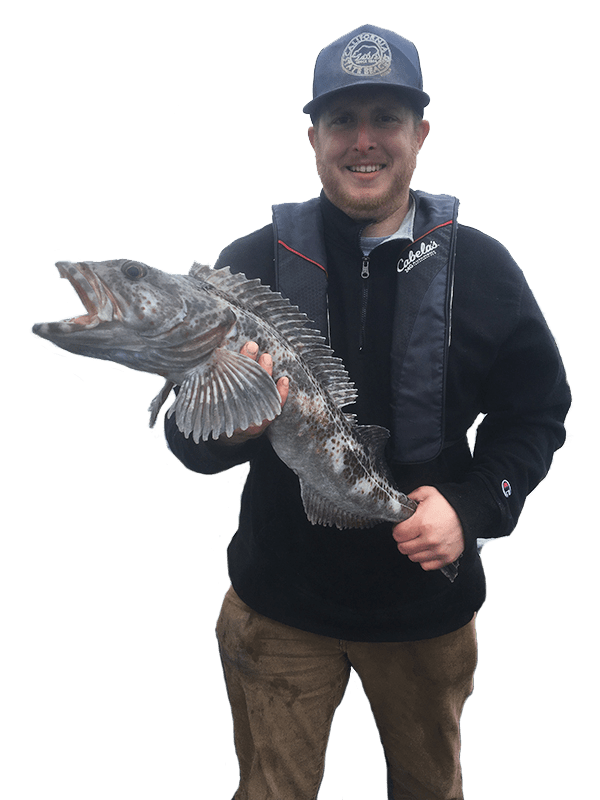
fresh-lingcod-and-rockfish-catch-oregon-coast

What is bottom fishing in Oregon?

Bottom fishing in Oregon means fishing near rocky reefs, ledges, and ocean structure where bottom-dwelling fish live and feed. The goal is to get bait or lures down near the bottom where species like rockfish and lingcod are holding.

On the Oregon Coast, bottom fishing is often done from a boat because we can reach productive reefs and structure offshore. These areas can hold fish because they provide cover, current breaks, and food.

A good bottom fishing trip is not just about dropping a line straight down. I’m looking at the drift, depth, tide, wind, and how the boat is moving over the structure. Small changes can make a big difference.

Captain Don’s quick take

Bottom fishing is a great choice for many guests because it can be active, hands-on, and easier to understand than some other fisheries.

When I take people bottom fishing, I want them to know what we are doing and why we are doing it. I’ll explain the gear, where the fish are holding, and how to feel the bite. Some days the ocean gives us a short window. Some days we can move around and test different spots.

The key is to fish smart, stay safe, and adjust to what the water gives us.

What fish can you catch bottom fishing in Oregon?

The most common bottom fishing targets in Oregon include rockfish, lingcod, cabezon, and other bottom fish, depending on the area, season, and current rules.

Rockfish are a common target because they live around reefs and rocky structure. Lingcod are another favorite because they hit hard and fight well. They are aggressive fish, and they are one of the species many guests get excited about.

Halibut are sometimes talked about with bottom fishing because they live near the bottom too, but halibut trips are usually planned differently. They can require different water, different timing, and longer runs depending on where the fish are.

Fishing seasons, limits, and retention rules can change, so I always tell guests to check current Oregon fishing regulations before the trip.

Where is the best bottom fishing in Oregon?

The best bottom fishing in Oregon is usually near rocky reefs, ledges, underwater structure, and areas where bait and current come together.

Out of the Oregon Coast ports, places like Newport and Depoe Bay are known for access to productive ocean fishing grounds. When I’m planning a trip, I’m looking for areas where the structure, depth, and ocean conditions line up.

I do not pick a spot just because it has produced before. Fish move. Conditions change. Current, swell, and wind can change how we fish a reef. A good guide has to pay attention and adjust.

What gear is used for Oregon bottom fishing?

Oregon bottom fishing usually uses sturdy rods, strong reels, weighted rigs, jigs, bait, or lures that can reach the bottom and stay in the strike zone.

On my boat, I want the gear to match the conditions. If the current is strong, we may need more weight. If the drift is right, we may be able to fish lighter and feel the bite better.

Some days bait works well. Some days jigs or artificial lures get more attention. The goal is to keep the presentation near the fish without dragging gear in a way that causes constant snags.

I’ll help guests understand what they are using and how to fish it. You do not need to show up already knowing how to bottom fish.

How do tides affect bottom fishing in Oregon?

Tides affect bottom fishing because they change current, drift, bait movement, and how fish hold around structure.

A good tide can help fish feed. Too much current can make it hard to keep gear near the bottom. Too little movement can make the bite slower.

When I’m planning a bottom fishing trip, I’m watching the tide along with the wind and swell. The tide might look good on paper, but if the ocean is rough or the drift is wrong, we may need to adjust where and how we fish.

That is part of guiding. You have to read the water in real time.

Is bottom fishing good for beginners and families?

Yes, bottom fishing can be a good choice for beginners and families when the ocean conditions are safe and the trip is a good fit.

Bottom fishing is hands-on, and guests often like that. You can feel the bottom, feel the bites, and learn what is happening below the boat. It is also a good way for newer anglers to build confidence.

I still take safety seriously. Not every ocean day is right for every group. If I have kids, newer anglers, or people who are worried about rough water, I look closely at the forecast and the type of trip that makes sense.

What should you expect on a Pastime Fishing Adventures trip?

You should expect a safe, personal, hands-on guided fishing trip where I help you understand the plan, the gear, and the conditions.

Before and during the trip, I’m watching the weather, water, fish movement, and guest experience. If the ocean changes, we adjust. If one spot is not producing, we may move. If someone is new, I’ll slow down and explain what to do.

On my boat, I want you to feel prepared. You do not need to know every technique before you arrive. I’ll help you understand how to drop, how to keep contact with the bottom, how to feel a bite, and what to do when a fish is on.

What should you bring on your Oregon fishing charter?

You should bring layers, rain gear, snacks, drinks, sunscreen, a camera, and motion sickness preparation if you think you may need it.

The Oregon Coast can change fast. It can feel warm at the dock and cold on the ocean. Good layers make a big difference. Rain gear is smart even if the forecast looks decent.

You may also need a fishing license depending on the trip. I do not want guests guessing on rules, so confirm current license and regulation requirements before the trip.

Why book with Captain Don and Pastime Fishing Adventures?

You should book with Captain Don and Pastime Fishing Adventures if you want a guided Oregon fishing trip led by someone with real local experience.

I have more than 15 years of guiding experience, and I’ve spent my life fishing Oregon waters. I guide for salmon, sturgeon, walleye, lingcod, halibut, rockfish, steelhead, and other species depending on the season and conditions.

Some days the ocean gives us the best opportunity. Other days a river fishery may be the better call. My job is to help guests choose a trip that fits the season, the water, and their group.

Frequently Asked Questions

Do I need experience to go bottom fishing in Oregon?

No, you do not need experience to go bottom fishing with Pastime Fishing Adventures.

I take beginners, families, and experienced anglers. I’ll explain the gear, show you what to do, and help you feel comfortable on the boat.

What is the best time of year for bottom fishing in Oregon?

The best time of year depends on the species, regulations, and ocean conditions.

Bottom fishing can be productive during different parts of the year, but seasons and rules can change. Always confirm current Oregon fishing regulations before your trip.

What fish are most common on an Oregon bottom fishing charter?

Rockfish and lingcod are two of the most common targets on many Oregon bottom fishing trips.

Other species may be possible depending on the area, season, and rules.

Is bottom fishing the same as halibut fishing?

No, bottom fishing and halibut fishing are not always the same kind of trip.

Halibut live near the bottom, but halibut trips often require different planning, different water, and sometimes longer runs.

Can kids go bottom fishing?

Yes, kids can go bottom fishing when the trip and ocean conditions are a good fit.

I want families to feel safe, prepared, and comfortable before we leave the dock.

Will I catch fish on a bottom fishing charter?

No captain can guarantee a catch.

What I can do is plan the trip carefully, watch the conditions, use my experience, and give you the best shot at a good day on the water.

Ready to book your Oregon fishing trip?

If you are thinking about bottom fishing in Oregon, I’d be happy to help you plan the right trip.

Tell me when you want to fish, who is coming, and what kind of experience you are looking for. I’ll help you understand the season, the conditions, and what makes sense for your group.

When you book with Pastime Fishing Adventures, you are booking a hands-on guided trip with me, Captain Don.

Call today to plan your Oregon fishing charter.

How to Land Your First Sturgeon in Columbia River: Insider Tips from the Experts

How to Land Your First Sturgeon in Columbia River: Insider Tips from the Experts

How to Land Your First Sturgeon in Columbia River: Insider Tips from the Experts

Fishing for sturgeon in Columbia River is an experience unlike any other. These prehistoric fish, with their massive size and strength, offer a thrilling challenge for anglers seeking to test their skills. However, landing your first sturgeon can be a daunting task without proper guidance. That’s why we’ve gathered insider tips from the experts to help you navigate the waters and increase your chances of success.

Close-up of a fish hanging in front of lake

Understanding the Sturgeon

Before you embark on your sturgeon fishing expedition, it’s essential to familiarize yourself with the species. Sturgeon are ancient fish known for their elongated bodies, bony plates called scutes, and distinctive snouts. In the Columbia River, the most commonly targeted species are white sturgeon, which can grow to impressive sizes exceeding 10 feet in length and weighing hundreds of pounds.

Close-up of a fresh pike fish


Choose the Right Gear:

Selecting the appropriate gear is crucial when targeting sturgeon. A sturdy rod and reel combo capable of handling heavy weights and strong currents are essential. Many anglers opt for heavy-duty rods paired with high-capacity reels spooled with braided line for added strength and sensitivity.
Additionally, using stout hooks and durable leaders is essential for handling the brute force of a sturgeon’s strike and preventing break-offs during the fight. Be sure to check local regulations regarding hook size and barb restrictions to ensure compliance.


Locate Prime Fishing Spots:

Finding the right fishing spot is key to increasing your chances of hooking into a sturgeon. In the Columbia River, sturgeon are often found in deep holes, channels, and eddies where they can ambush passing prey and take refuge from swift currents.

Consulting with local guides, studying navigation charts, and utilizing fish-finding technology can help pinpoint productive areas. Keep in mind that sturgeon are migratory and may change locations throughout the year, so staying flexible and willing to explore new spots can pay dividends.

Closeup of freshly caught sturgeon fish on fish farm

Master Bait Selection:

Choosing the right bait is critical when targeting sturgeon. These opportunistic feeders have a varied diet that includes fish, crustaceans, and even mollusks. Popular bait options for fishing for sturgeon in Columbia River include fresh smelt, shad, squid, and even commercially prepared sturgeon baits.

Experimenting with different bait types, sizes, and presentations can help determine what the fish are actively feeding on. Be prepared to adjust your tactics based on water conditions, seasonal changes, and angler reports to maximize your chances of success.


Patience and Persistence:

Successfully landing your first sturgeon in Columbia River requires patience and persistence. Sturgeon fishing can be a waiting game, with long periods of inactivity punctuated by sudden bursts of action. It’s essential to remain vigilant and attentive to your rod tip for any signs of a sturgeon bite.

When a sturgeon takes the bait, allow it time to fully engulf the offering before setting the hook with a firm, upward motion. Once hooked, be prepared for a spirited battle as the sturgeon employs its formidable strength to resist capture. Exercise caution and avoid rushing the fight to prevent exhaustion or injury to the fish.

Sturgeon White Sturgeon sturgeon in Columbia River stock pictures, royalty-free photos & images

Respect Conservation Practices:

As stewards of the Columbia River’s sturgeon fishery, anglers must prioritize conservation practices to ensure the sustainability of this iconic species for future generations. Familiarize yourself with local regulations regarding catch limits, size restrictions, and season closures, and adhere to them diligently.
Handle sturgeon with care, minimizing stress and injury by using proper catch-and-release techniques. Avoid removing the fish from the water whenever possible, and use barbless hooks to facilitate safe hook removal. Document your catch with photographs if desired, but prioritize the fish’s welfare above all else.


Fine-tune Your Rigging:

Fine-tuning your rigging setup can make a significant difference in your ability to hook and land sturgeon effectively. Experiment with leader lengths, hook sizes, and weight configurations to achieve the optimal balance between sensitivity and stability. Consider using sliding sinker rigs or three-way swivels to minimize resistance and allow sturgeon to mouth the bait more naturally before committing to a strike. Be prepared to make adjustments on the water based on feedback from bites and changing conditions to stay ahead of the game.


Embrace Night Fishing:

While sturgeon can be caught at any time of day, nighttime fishing sessions can offer a unique set of advantages. Sturgeon are nocturnally active feeders, often prowling the river bottom under the cover of darkness in search of prey. Fishing at night can reduce angler pressure and competition while increasing your chances of encountering actively feeding fish. Invest in quality lighting equipment, such as powerful headlamps or boat-mounted floodlights, to illuminate your fishing area and monitor rod tips for subtle bites.

Dead fish on table

Master the Art of Drifting:

Drifting is a popular technique used by sturgeon anglers to cover a wide area and present baits to actively feeding fish. Mastering the art of drifting requires careful boat control and strategic positioning to maintain optimal bait presentation while drifting with the current. Use drift socks or sea anchors to slow your drift speed and maintain control in strong currents. Experiment with different drift paths and speeds until you find the optimal combination that triggers sturgeon strikes consistently.


Wrapping It Up

Fishing for sturgeon in Columbia River is an unforgettable experience that requires skill, patience, and dedication. By following the insider tips provided by seasoned anglers, you can increase your chances of landing your first sturgeon and create lasting memories on the water.

Remember to respect the fishery, prioritize conservation practices, and savor the thrill of the chase as you pursue these ancient giants. With perseverance and a bit of luck, you’ll soon find yourself celebrating a successful sturgeon catch and joining the ranks of seasoned anglers who call the Columbia River their home waters. If you’re planning to fish for sturgeon in Columbia River, then you may want to book a fishing charter for higher chances of landing one!

Give us a call today and we can discuss our chartered services.

Schedule your Oregon Fishing Charter Today!
How to Catch Trophy Salmon in Depoe Bay Successfully

How to Catch Trophy Salmon in Depoe Bay Successfully

How to Catch Trophy Salmon in Depoe Bay Successfully

Depoe Bay, nestled along the rugged Oregon coast, is renowned for its abundant salmon population, drawing anglers from far and wide in pursuit of trophy-sized fish. From Chinook to Coho, these majestic salmon species roam the waters off Depoe Bay, offering exciting opportunities for anglers to test their skills and land the catch of a lifetime. In this guide, we’ll uncover the secrets how to catch salmon in Depoe Bay, including the best techniques, gear, and strategies to hook into trophy salmon and make the most of your fishing adventure in this scenic coastal paradise.


Understanding Depoe Bay’s Salmon Run

The Salmon | Depoe Bay Oregon

Depoe Bay serves as a prime feeding and spawning ground for various salmon species, thanks to its nutrient-rich waters and favorable ocean currents. The annual salmon run typically peaks from late spring through early fall, with Chinook and Coho salmon migrating along the Oregon coast en route to their spawning grounds in nearby rivers and streams. During this time, Depoe Bay becomes a hotspot for salmon fishing, as anglers target these prized fish as they enter and exit the bay in search of food and shelter.


Best Times and Locations to Catch Salmon in Depoe Bay

Timing is key when it comes to catching salmon in Depoe Bay, as the presence and behavior of salmon can vary depending on the season, tides, and weather conditions. While salmon can be caught year-round in Depoe Bay, peak fishing season typically occurs from May to September, with the highest concentrations of fish present during the summer months. Anglers often target salmon near the mouth of the bay, where they congregate to feed on baitfish and krill carried in by ocean currents. Additionally, salmon can be found near rocky outcroppings, kelp beds, and underwater structure, where they seek refuge and ambush prey.


Effective Techniques and Strategies

Catch the Big One with these Fishing Charters in Depoe Bay

Several effective techniques can be employed to target trophy salmon in Depoe Bay, depending on factors such as water depth, current speed, and the behavior of the fish. Trolling with downriggers and diving plugs is a popular method for covering large areas of water and presenting baits at various depths. Anglers often use herring, anchovies, or artificial lures in vibrant colors to entice salmon strikes. Drifting with bait or casting and retrieving spoons and spinners can also be effective, especially in shallower waters or when targeting actively feeding fish near the surface. Experimenting with different techniques and adjusting your approach based on conditions can increase your chances of success when fishing for trophy salmon in Depoe Bay.


Essential Gear and Equipment

Spinning For Salmon - Tackle Guide - Angling Active Magazine

When targeting trophy salmon in Depoe Bay, it’s essential to use the right gear and equipment to handle these powerful fish effectively. Medium to heavy-action fishing rods paired with high-capacity reels are recommended for salmon fishing, as they provide the strength and control needed to battle large fish in open water. Braided fishing line offers increased sensitivity and strength compared to monofilament line, allowing anglers to detect subtle strikes and withstand the strong runs and headshakes of salmon. Terminal tackle such as swivels, leaders, and hooks should be chosen based on the fishing technique and water conditions, ensuring optimal presentation and hook-setting ability.


Depth and Temperature Monitoring

Pay close attention to water depth and temperature when targeting trophy salmon in Depoe Bay. Salmon are often found at specific depths and temperature ranges depending on the time of day and prevailing conditions. Invest in a fish finder with temperature and depth capabilities to locate thermoclines and pinpoint areas where salmon are likely to be holding. Adjust your trolling or drifting depth accordingly to present your baits or lures at the optimal depth for enticing strikes from trophy salmon.


Weather Patterns and Ocean Conditions

Weather patterns and ocean conditions play a significant role in salmon behavior and feeding activity in Depoe Bay. Monitor weather forecasts and ocean reports before your fishing trip to identify favorable conditions such as overcast skies, light winds, and incoming tide cycles. These conditions can stimulate salmon activity and increase the likelihood of successful fishing. Additionally, be prepared to adapt your fishing strategy based on changing weather patterns and ocean conditions throughout the day, maximizing your chances of hooking into trophy salmon.


Bait Presentation and Scent Enhancement

Fine-tuning your bait presentation and enhancing its appeal with natural scents can make a difference in enticing trophy salmon to strike. Consider brining your bait, such as herring or anchovies, in a mixture of salt and natural oils to enhance its scent and flavor. Experiment with different bait rigs, including brined whole baits, cut-plug baits, or hoochie rigs, to determine which presentation is most effective on any given day. Adding attractor scents or gel-based attractants to your lures or bait rigs can also help stimulate aggressive strikes from trophy salmon in Depoe Bay.


Local Knowledge and Guide Services

A Fishing Enthusiast's Guide to Newport | Hallmark Oceanfront Resorts

Tap into the expertise of local guides and fishing charters to gain valuable insights and insider knowledge about salmon fishing in Depoe Bay. Local guides possess intimate knowledge of the area’s fishing hotspots, productive techniques, and seasonal trends, allowing them to put you in the best position for success. Consider booking a guided fishing trip or hiring a charter service to access prime fishing locations, receive personalized instruction, and increase your chances of hooking into trophy salmon. Guides can also provide valuable information on conservation practices, local regulations, and safety precautions to ensure a memorable and responsible fishing experience in Depoe Bay.


Conclusion: Catch Salmon in Depoe Bay!

How to Spend the Perfect Weekend in Depoe Bay - Channel House

Catching trophy salmon in Depoe Bay is a rewarding pursuit that offers anglers the opportunity to connect with nature and experience the thrill of landing a prized fish in a breathtaking coastal setting. By understanding the behavior of salmon, employing effective techniques and strategies, using the right gear and equipment, and prioritizing safety and conservation, anglers can increase their chances of success and make the most of their salmon fishing adventure in Depoe Bay. Whether casting from shore or trolling offshore, the waters of Depoe Bay hold the promise of unforgettable fishing experiences and memories that will last a lifetime.

Give us a call today if you’re interested in booking a fishing charter!

Schedule your Oregon Fishing Charter Today!
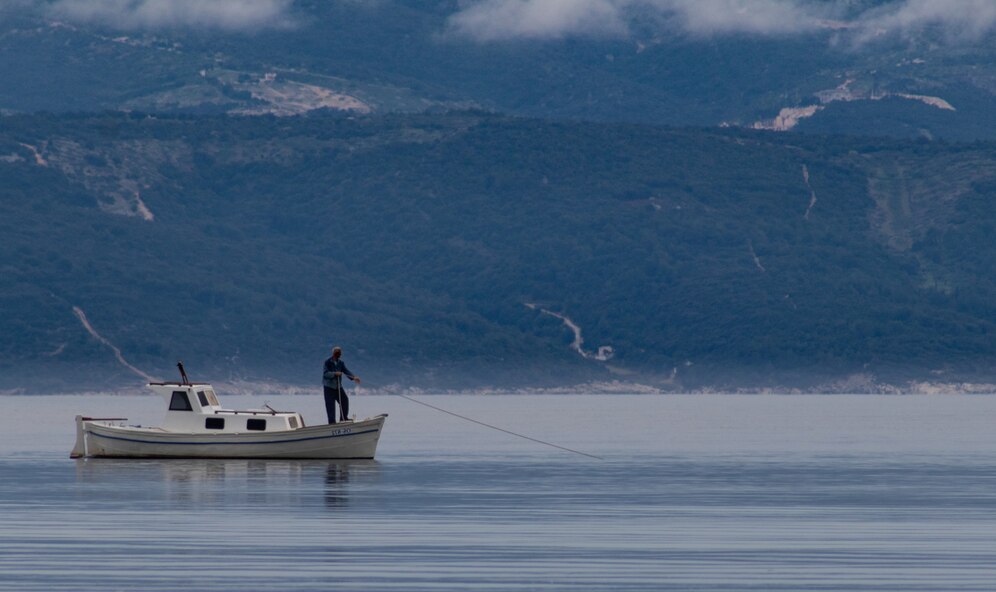
Exploring Nature’s Beauty: Fly-Fishing Adventure in Central Oregon

Exploring Nature’s Beauty: Fly-Fishing Adventure in Central Oregon

Exploring Nature’s Beauty: Fly-Fishing Adventure in Central Oregon

Central Oregon’s pristine rivers, serene lakes, and breathtaking landscapes provide the perfect backdrop for fly-fishing enthusiasts seeking adventure and tranquility. From the majestic Deschutes River to the tranquil waters of Crane Prairie Reservoir, Central Oregon offers a diverse array of fly-fishing opportunities for anglers of all skill levels. In this comprehensive guide, we’ll delve into the unparalleled beauty of Central Oregon’s fly-fishing destinations, the abundance of fish species that call these waters home, and the tips and tricks to ensure a memorable and successful fly-fishing adventure in this scenic region.


All About Fly-Fishing Adventures in Central Oregon

10 Frequently Asked Questions About Fly Fishing in Patagonia | Yellow Dog  Flyfishing

The Rivers and Lakes of Central Oregon

Central Oregon boasts an abundance of rivers, streams, and lakes that teem with trout, steelhead, salmon, and other prized game fish. The Deschutes River, renowned for its legendary trout and steelhead runs, offers miles of pristine waters for fly-fishing enthusiasts to explore. The Metolius River, with its crystal-clear waters and vibrant aquatic life, provides an idyllic setting for casting dry flies and nymphs to native redband trout. Additionally, Central Oregon’s numerous lakes and reservoirs, including Crane Prairie, Wickiup, and Hosmer Lakes, offer excellent opportunities for fly anglers to target trophy-sized trout and kokanee salmon amidst stunning alpine scenery.


The Thrill of Pursuit: Target Species and Techniques

Bend Oregon Fishing, Fly Fishing - AllTrips

Central Oregon’s fly-fishing waters are home to a variety of fish species, each presenting its own unique challenges and rewards for anglers. Rainbow trout, brown trout, and brook trout are plentiful in the region’s rivers and lakes, providing ample opportunities for fly anglers to test their skills. Steelhead and Chinook salmon inhabit the Deschutes River during their annual migrations, offering anglers the chance to hook into these powerful and acrobatic fish. Techniques such as dry fly fishing, nymphing, and streamer fishing are commonly employed to entice fish in Central Oregon’s diverse waters, with each method offering its own thrills and rewards for anglers.


Tips and Tactics for Success

To make the most of your fly-fishing adventure in Central Oregon, it’s essential to come prepared with the right gear, knowledge, and tactics. Start by researching the specific waters you plan to fish and familiarize yourself with local regulations, access points, and hatch patterns. Choose the appropriate fly rod, reel, and line for the type of fishing you’ll be doing, and stock your fly box with a variety of patterns that mimic the insects and baitfish present in the area. Consider hiring a local guide or joining a fly-fishing clinic to gain insider tips and techniques from seasoned anglers. Lastly, practice patience, persistence, and respect for the natural environment as you pursue the ultimate fly-fishing experience in Central Oregon.


Conservation and Stewardship

Fly Fishing in Bend Oregon - The Best Fly Fishing Guide Trips

Central Oregon’s natural beauty and abundance of fish are treasures to be cherished and protected for future generations. As stewards of these waters, fly anglers play a vital role in preserving the health and integrity of the region’s fisheries. Practice catch-and-release fishing whenever possible, handle fish with care, and adhere to all regulations and guidelines set forth by local authorities. Get involved in conservation efforts by volunteering with local organizations, participating in stream clean-up events, and advocating for responsible land and water management practices. By working together to conserve and protect Central Oregon’s fly-fishing resources, we can ensure that these pristine waters remain a source of inspiration and enjoyment for generations to come.


Scenic Beauty and Wildlife Encounters

Central Oregon’s fly-fishing destinations offer more than just excellent angling opportunities; they also provide breathtaking scenery and abundant wildlife sightings. Anglers can enjoy casting their lines amidst stunning landscapes of towering mountains, verdant forests, and shimmering waters. Keep an eye out for bald eagles soaring overhead, deer grazing along the riverbanks, and ospreys diving for fish in the clear mountain streams. These encounters with nature add an extra dimension of enjoyment to fly-fishing adventures in Central Oregon and create lasting memories of the region’s natural splendor.


Seasonal Variations and Fishing Hotspots

Southern Oregon Coast - Worthington Fly Fishing

Central Oregon’s fly-fishing opportunities vary throughout the seasons, with each time of year offering its own unique fishing experiences and challenges. Spring and early summer bring prolific hatches of mayflies, caddisflies, and stoneflies, attracting hungry trout to the surface. Fall brings cooler temperatures and stunning foliage displays, along with opportunities to target migrating steelhead and salmon. Winter fishing can be productive on select rivers and lakes, with trout and other species remaining active in certain areas. Understanding the seasonal variations and fishing hotspots in Central Oregon allows anglers to plan their trips accordingly and maximize their chances of success.


Fly-Fishing Education and Workshops

For those looking to hone their fly-fishing skills or learn new techniques, Central Oregon offers a wealth of educational opportunities and workshops led by experienced guides and instructors. These programs cover a range of topics, including casting fundamentals, entomology, fly selection, and river tactics. Whether you’re a novice angler looking to master the basics or an experienced fly-fisher seeking advanced instruction, there are options available to suit every skill level and interest. Participating in fly-fishing education programs not only improves angling proficiency but also fosters a deeper appreciation for the art and science of fly-fishing in Central Oregon.


Wrapping It Up

Reel in the Fun of Fly Fishing in Bend and Central Oregon - Visit Bend

Embarking on a fly-fishing adventure in Central Oregon is an experience unlike any other, where the thrill of the chase is matched only by the beauty of the natural surroundings. Whether casting a dry fly on the Deschutes River, drifting a nymph through the riffles of the Metolius, or trolling a streamer on Crane Prairie Reservoir, fly anglers will find endless opportunities for excitement, challenge, and discovery in this captivating region. With careful planning, preparation, and a deep respect for the land and water, every fly-fishing excursion in Central Oregon promises to be a memorable and rewarding journey into the heart of nature’s beauty.

If you want a fly fishing adventure in Oregon, consider joining a charter or hiring a local guide to help you out. Give us a call today and learn more about our services!

Schedule your Oregon Fishing Charter Today!

Techniques for Tillamook Salmon Fishing: Get the Big One!

Techniques for Tillamook Salmon Fishing: Get the Big One!

Techniques for Tillamook Salmon Fishing: Get the Big One!

Tillamook, renowned for its abundant coastal waters, offers anglers an exhilarating opportunity to target Chinook and Coho salmon. Mastering the art of fishing for these prized species demands a blend of skill, knowledge, and a nuanced understanding of the unique conditions Tillamook presents. Delve into these comprehensive techniques to elevate your Chinook and Coho fishing experience in Tillamook.


Techniques for Chinook and Coho Fishing in Tillamook

Wild Salmon Run Restoration Has 'Failed' - CFM Advocates


Understanding Salmon Behavior

Chinook and Coho salmon exhibit distinct behaviors influenced by factors like water temperature, current patterns, and seasonal changes. Chinook salmon, often larger and more solitary, prefer deeper waters, while Coho are frequently found closer to the surface. Familiarize yourself with their migration patterns and preferred depths to strategically position your fishing efforts.


Trolling Techniques

FishingBooker: How to Go Trolling: The Complete Guide

Trolling stands as a versatile and widely used method in Tillamook’s dynamic waters. Equip your boat with downriggers to reach different depths, mimicking the movement of baitfish. Vary trolling speeds and experiment with an array of lure colors and sizes to decipher the preferences of Chinook and Coho on any given day.


Bait Selection

Tillamook’s salmon respond to an assortment of baits. Herring and anchovies are popular live bait choices, while artificial lures such as spoons and spinners can also prove effective. Adapt your bait selection based on the day’s conditions, considering water clarity, temperature, and the particular feeding habits of the salmon in the area.


Drift Fishing

Drift fishing, especially effective in estuaries and river mouths, involves allowing your bait or lure to move naturally with the current. During tide changes, when salmon are actively feeding, this method can be particularly productive. Experiment with different baits and depths to discover the most effective combination.


Mooching Technique

Mooching is a technique where anglers suspend bait in the water column, allowing it to move naturally with the tide. This method is particularly effective in shallower waters and is often favored by those targeting Coho salmon. Adjust your depth and bait presentation until you find the optimal combination for enticing strikes.


Locating Underwater Structures

Big Dave's Fishing with Capt. Sam – Sled - Updated 2024 Prices

Success in Tillamook’s salmon fishing often hinges on understanding underwater structures. Chinook and Coho salmon frequently congregate around rock formations, drop-offs, and ledges. Utilize fish finders to identify these structures, adjusting your fishing locations to align with the preferred habitats of these salmon species.


Paying Attention to Tides

Tidal movements play a pivotal role in salmon behavior in Tillamook. Plan your fishing trips around tide changes, as these periods often trigger heightened feeding activity. Adapt your techniques and target areas accordingly during incoming or outgoing tides to optimize your chances of success.


Adapting to Weather Conditions

Tillamook’s weather can be unpredictable, necessitating adaptability in fishing techniques. Overcast days may prompt salmon to stay closer to the surface, while bright sunlight can drive them deeper. Adjust your trolling depths, lure selection, and overall strategy based on prevailing weather conditions to maximize your chances of a successful catch.


Fishing Regulations

Responsible angling in Tillamook mandates a thorough understanding and adherence to fishing regulations. Stay informed about size limits, bag limits, and any special restrictions that may apply to certain areas or times of the year. Complying with regulations ensures the sustainability of the fishery and contributes to the long-term health of Chinook and Coho populations.


Local Knowledge and Guides

Fall chinook fishing starting to pick up on Oregon coastal rivers

Tap into the wealth of local knowledge by considering the services of a seasoned fishing guide familiar with Tillamook’s waters. Local guides possess invaluable insights into seasonal patterns, productive locations, and the most effective techniques for Chinook and Coho salmon fishing. Their expertise can significantly enhance your overall fishing experience.


Strategic Time of Day

Salmon activity varies throughout the day. Early mornings and late afternoons are often prime times for salmon fishing. Plan your outings to coincide with these periods when salmon are more likely to be actively feeding near the surface.

Dawn is often heralded as a prime time for salmon fishing. During the early morning, salmon are more active near the surface, especially Coho, as they exhibit heightened feeding behaviors. Consider launching your fishing expedition during the pre-dawn hours to take advantage of this optimal window of activity.


Experiment with Depths

Chinook and Coho may exhibit different depth preferences based on environmental factors. Experiment with different depths using downriggers or other depth-control methods to find the most effective range for your chosen technique.


Use Scented Baits

In the pursuit of Chinook and Coho salmon in Tillamook, adding an olfactory dimension to your bait strategy can significantly amplify your chances of success. Salmon possess a keen sense of smell, and infusing your bait with enticing scents can make the difference between a curious pass and an aggressive strike.

Explore a range of scents that mimic the natural prey of Chinook and Coho. Popular choices include shrimp, herring, anise, and garlic. Experiment with different scents to gauge the preferences of salmon in the specific conditions of Tillamook’s waters.


Incorporate Flashers

Best Flashers and Flasher Tips for Salmon Fishing -

Consider using flashers in conjunction with your bait or lure. Flashers mimic the reflective properties of prey fish scales, attracting the attention of Chinook and Coho salmon. Experiment with different colors and sizes to determine the most effective combination.


Wrapping It Up

Embarking on a Chinook and Coho fishing expedition in Tillamook is not merely a pursuit; it’s an immersion into the intricate dance between nature and angler. By understanding the nuances of salmon behavior, mastering diverse techniques, and incorporating local knowledge, anglers can forge a deeper connection with the dynamic waters of Tillamook.

Whether trolling in pursuit of Chinook or mooching for Coho, the journey unfolds as an exploration, a testament to the enduring allure of salmon fishing in this coastal haven. As you cast your lines into Tillamook’s rich waters, whether on your own or with a fishing charter, may each catch be not just a triumph but a celebration of sustainable angling and the thriving ecosystem that defines this Pacific Northwest gem.

Contact us today and learn how we can help make your salmon fishing trip in Tillamook a better one!

Schedule your Oregon Fishing Charter Today!