A Guide to Angling Adventures for Chinook Salmon in Depoe Bay

A Guide to Angling Adventures for Chinook Salmon in Depoe Bay

A Guide to Angling Adventures for Chinook Salmon in Depoe Bay

Nestled along the rugged Oregon coast, Depoe Bay is a gem for anglers seeking the thrill of reeling in the mighty Chinook salmon. With its breathtaking scenery and abundant marine life, Depoe Bay offers an unforgettable angling experience for both seasoned fishermen and novices alike. If you’re planning a fishing expedition to hook into some Chinook salmon in Depoe Bay, here’s your comprehensive guide to ensure a successful and memorable adventure.


Understanding the Chinook Salmon

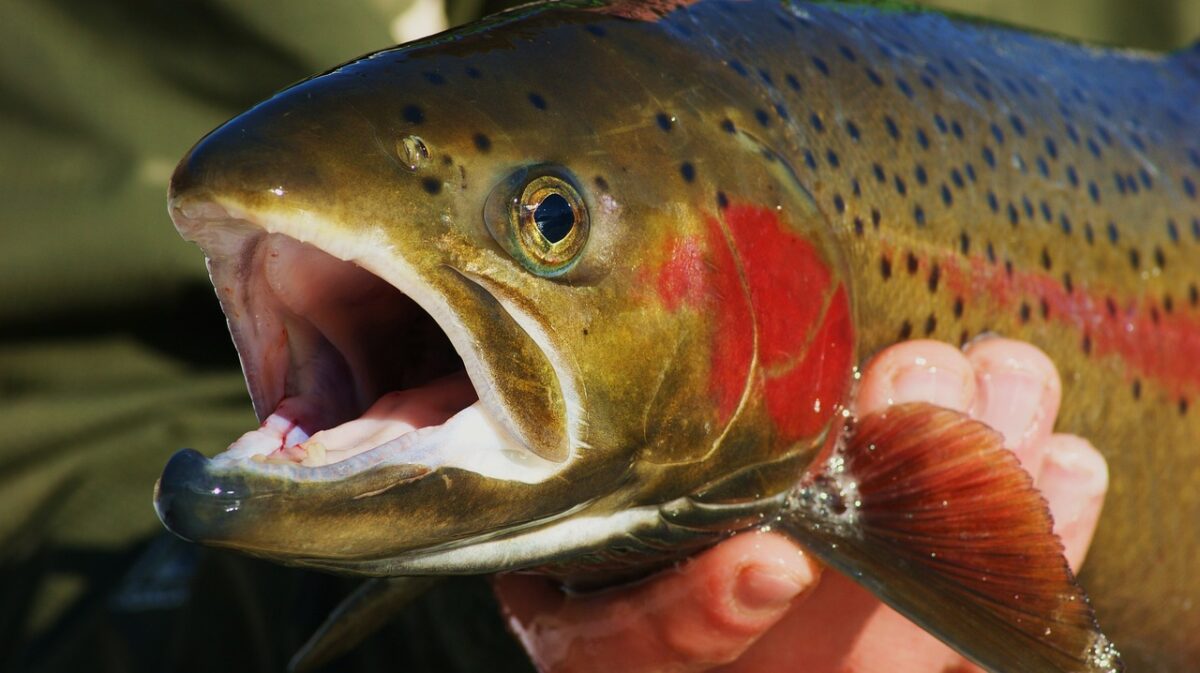
Before delving into the specifics of angling in Depoe Bay, it’s essential to understand the star of the show: the Chinook salmon. Also known as king salmon, Chinook are renowned for their size, strength, and delectable taste. These majestic fish can grow to impressive sizes, with some specimens tipping the scales at over 50 pounds. Renowned for their fighting spirit, landing a Chinook salmon is a thrilling challenge that draws anglers from far and wide.

Why are chinook runs declining in Bristol Bay, while sockeye runs are  shattering records?

Best Time to Fish

Timing is crucial when planning your angling adventure for Chinook salmon in Depoe Bay. The prime season typically runs from late spring through early fall, with peak activity occurring from June to August. During this period, Chinook salmon migrate close to the shoreline in search of baitfish, making them more accessible to anglers. However, weather conditions and ocean currents can influence salmon migration patterns, so it’s wise to check local fishing reports and consult with experienced guides for the most up-to-date information.


Choosing Your Gear

Selecting the right gear is vital for a successful salmon fishing excursion. When targeting Chinook in Depoe Bay, anglers typically opt for sturdy rods and reels capable of handling large fish and strong currents. Medium to heavy-action rods paired with quality spinning or baitcasting reels are popular choices. Additionally, a reliable saltwater fishing line with a sufficient pound-test rating is essential to withstand the powerful runs and acrobatic leaps of Chinook salmon.


Bait and Lures

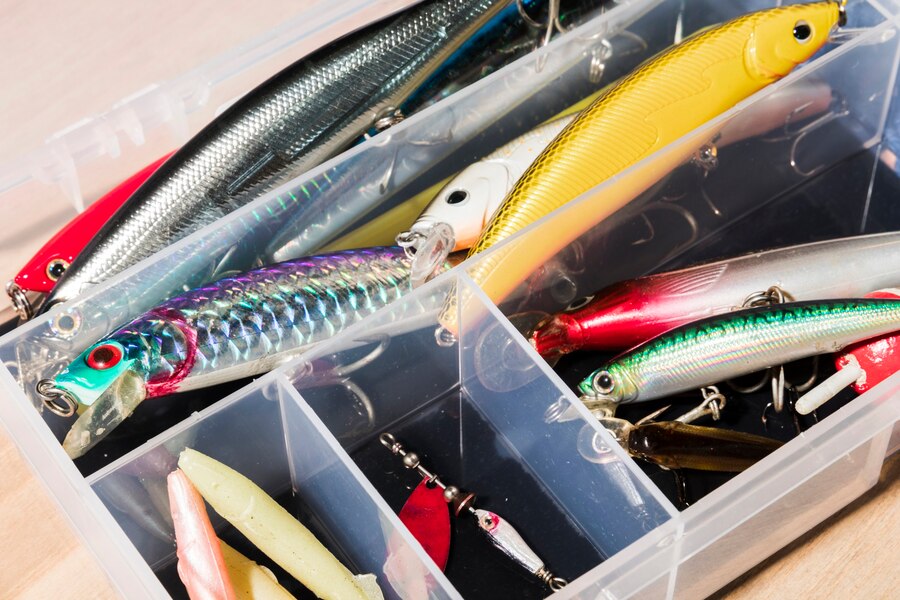
Chinook salmon are opportunistic feeders, making them susceptible to a variety of bait and lures. Common bait options include herring, anchovies, and squid, either rigged whole or in chunks to mimic natural prey. Anglers can also employ artificial lures such as spoons, plugs, and soft plastics, which mimic the erratic movements of injured baitfish. Experimenting with different colors, sizes, and retrieval speeds can help determine what the salmon are actively feeding on during your outing.


Location, Location, Location

Depoe Bay offers a diverse array of fishing spots catering to anglers of all skill levels. From rocky shorelines and jetties to open water opportunities, there’s no shortage of productive locations to target Chinook salmon. Local hotspots include the mouth of the bay, where salmon congregate to feed on incoming tides, as well as nearshore reefs and underwater structures that provide cover and ambush points for predatory fish. Hiring a knowledgeable fishing guide can be advantageous for navigating unfamiliar waters and maximizing your chances of landing a trophy Chinook.

silver fish on green grass

Safety First

While the thrill of the chase is undoubtedly exhilarating, safety should always remain a top priority during any angling excursion. Depoe Bay’s dynamic coastal environment can present hazards such as strong currents, unpredictable weather, and rough seas. It’s essential to familiarize yourself with local regulations, obtain the necessary permits, and equip your vessel with safety gear including life jackets, communication devices, and navigation aids. Additionally, staying informed about weather forecasts and sea conditions can help mitigate risks and ensure a safe and enjoyable fishing experience.


Conservation and Stewardship

As stewards of the ocean, anglers play a vital role in preserving Chinook salmon populations for future generations. Practicing responsible fishing techniques such as catch-and-release, using barbless hooks, and adhering to size and bag limits helps sustain healthy fish stocks and protect vulnerable species. Furthermore, participating in habitat restoration initiatives and supporting conservation organizations contributes to the long-term sustainability of marine ecosystems and ensures the continued abundance of Chinook salmon in Depoe Bay and beyond.


Local Cuisine and Attractions

While Depoe Bay is renowned for its exceptional fishing opportunities, the region offers much more than just angling adventures. After a rewarding day on the water, visitors can indulge in the local culinary delights that highlight the bounty of the Pacific Ocean. From freshly caught seafood served at quaint waterfront restaurants to artisanal dishes crafted from locally sourced ingredients, Depoe Bay boasts a vibrant culinary scene sure to satisfy any palate.


Beyond the culinary delights, Depoe Bay is home to a wealth of attractions and activities for visitors of all interests. Nature enthusiasts can explore nearby state parks and scenic coastal trails, where stunning vistas and abundant wildlife await. Whale watching tours are also popular, providing the opportunity to witness the annual migration of majestic gray whales as they journey along the Oregon coast. For those seeking a cultural experience, the charming town of Depoe Bay offers art galleries, boutique shops, and historic landmarks waiting to be discovered.


Fishing Techniques and Strategies

While traditional methods such as bait fishing and trolling are effective for targeting Chinook salmon in Depoe Bay, anglers can also employ specialized techniques to enhance their chances of success. Drift fishing, for example, involves allowing bait or lures to drift naturally with the current, enticing salmon to strike as they patrol the waters in search of prey. Jigging is another popular technique, which involves vertically presenting lures or bait to salmon holding near the seafloor or submerged structures. Experimenting with different techniques and adapting to changing conditions can help anglers unlock the secrets of Depoe Bay’s abundant salmon population.

a fish on a rocky surface

Community Engagement and Events

Depoe Bay’s tight-knit fishing community celebrates its rich maritime heritage through a variety of events and festivals held throughout the year. From annual salmon derbies and fishing tournaments to seafood festivals and marine conservation initiatives, there’s always something happening in Depoe Bay to bring locals and visitors together in celebration of the ocean’s bounty. Participating in community events not only fosters camaraderie among fellow anglers but also provides opportunities to learn from experienced fishermen, share stories, and forge lasting connections within the fishing community.


Environmental Awareness and Conservation

As anglers, it’s essential to recognize the interconnectedness of human activities and the health of marine ecosystems. By practicing sustainable fishing practices and minimizing our environmental footprint, we can help protect the delicate balance of Depoe Bay’s marine environment and ensure the continued abundance of Chinook salmon and other native species. This includes properly disposing of fishing line and other waste, reducing fuel consumption and emissions while boating, and supporting initiatives aimed at preserving and restoring critical habitats such as estuaries and spawning grounds.


Photography and Videography Opportunities

Depoe Bay’s stunning coastal landscapes and abundant marine life provide a picturesque backdrop for photography and videography enthusiasts. From capturing the sunrise over the rugged cliffs to documenting the thrill of reeling in a trophy Chinook salmon, the opportunities for creative expression are endless. Whether you’re an amateur photographer looking to hone your skills or a seasoned professional seeking new inspiration, Depoe Bay offers a wealth of scenic vistas and captivating subjects waiting to be immortalized through the lens of your camera.


Embarking on an angling adventure for Chinook salmon in Depoe Bay promises excitement, challenge, and unparalleled natural beauty. Whether you’re casting from shore, trolling in a boat, or dropping lines from a pier, the thrill of hooking into a powerful Chinook is an experience like no other. By understanding the behavior of these majestic fish, equipping yourself with the right gear, and respecting the marine environment, you’ll be well-prepared to make the most of your fishing expedition in Depoe Bay, creating lasting memories and perhaps even landing the catch of a lifetime.

Schedule your Oregon Fishing Charter Today!
Top Kid-Friendly Fishing Spots in Oregon

Top Kid-Friendly Fishing Spots in Oregon

Top Kid-Friendly Fishing Spots in Oregon

Oregon is a haven for outdoor enthusiasts, and fishing is a beloved pastime for many families in the state. With its diverse landscapes ranging from coastal shores to serene lakes and winding rivers, Oregon offers an abundance of fishing opportunities for anglers of all ages. For families looking to introduce their children to the joys of fishing, there are several kid-friendly spots across the state where little ones can cast their lines and reel in some unforgettable memories. Here, we explore some of the top kid-friendly fishing spots in Oregon, ensuring a fun and exciting experience for the whole family.

a boy holding a fish

Trillium Lake

Nestled beneath the majestic Mount Hood, Trillium Lake offers a picturesque setting for a family fishing excursion. The lake is stocked with rainbow trout, making it an excellent spot for young anglers to try their luck. With its calm waters and stunning views of the mountain, Trillium Lake provides a tranquil escape for families seeking a peaceful day of fishing and picnicking.


Timothy Lake

Located in the Mount Hood National Forest, Timothy Lake is another fantastic destination for family fishing adventures. The lake is stocked with trout and kokanee salmon, providing plenty of opportunities for children to reel in their catch. In addition to fishing, families can enjoy swimming, hiking, and camping, making Timothy Lake a perfect getaway for outdoor enthusiasts of all ages.

a group of people on a boat

Hagg Lake

Just a short drive from Portland, Hagg Lake is a popular spot for family-friendly fishing outings. The lake is stocked with rainbow trout, largemouth bass, and other species, ensuring plenty of action for young anglers. Hagg Lake offers accessible fishing docks and picnic areas, making it easy for families to spend a day by the water enjoying the great outdoors.


Alton Baker Canoe Canal

Located in Eugene’s Alton Baker Park, the Alton Baker Canoe Canal offers a unique fishing experience for families. The canal is stocked with rainbow trout and provides a peaceful setting for children to learn the basics of fishing. Families can rent canoes or kayaks to explore the canal, adding an extra element of adventure to their fishing excursion.

Father with little son near river in a fishing morning

Lake of the Woods

Situated in the Cascade Mountains near the Oregon-California border, Lake of the Woods is a scenic destination for family fishing trips. The lake is stocked with trout, bass, and other fish species, making it an ideal spot for children to cast their lines. In addition to fishing, families can enjoy swimming, boating, and hiking, ensuring a full day of outdoor fun for everyone.


Detroit Lake

Located in the heart of the Willamette National Forest, Detroit Lake offers a wide range of fishing opportunities for families. The lake is stocked with rainbow trout, kokanee salmon, and Chinook salmon, providing plenty of excitement for young anglers. Families can fish from the shore or rent a boat to explore the lake’s pristine waters. With its surrounding forests and mountain vistas, Detroit Lake is also a fantastic spot for wildlife viewing and hiking, making it an ideal destination for a full day of outdoor adventure.

Unrecognizable men with fishing rod fishing

Clear Lake

Tucked away in the Cascade Mountains, Clear Lake is renowned for its crystal-clear waters and abundant trout population. Families can fish from the shore or rent a rowboat to explore the lake’s tranquil waters. The lake is also home to a unique underwater forest, offering snorkeling opportunities for adventurous kids. After a day of fishing, families can enjoy a picnic by the water or take a leisurely stroll along the lake’s scenic hiking trails, soaking in the natural beauty of this hidden gem.


Upper Klamath Lake

For families seeking a more off-the-beaten-path fishing experience, Upper Klamath Lake is an excellent choice. The lake is Oregon’s largest freshwater body and is teeming with a variety of fish species, including trout, bass, and catfish. Families can fish from the shore or launch a boat from one of the lake’s many access points. In addition to fishing, Upper Klamath Lake offers opportunities for birdwatching, wildlife viewing, and exploring the surrounding marshes and wetlands, providing a rich and immersive outdoor experience for children of all ages.

Cute child little boy pulling rod while fishing on lake.

Diamond Lake

Nestled in the southern Cascade Range, Diamond Lake is a popular destination for family fishing vacations. The lake is stocked with rainbow trout, making it an ideal spot for young anglers to reel in their first catch. Families can fish from the shore or rent a boat to explore the lake’s expansive waters. Diamond Lake also offers amenities such as campgrounds, hiking trails, and a resort with dining options, ensuring a comfortable and enjoyable stay for families looking to immerse themselves in the beauty of the Oregon wilderness.


Emigrant Lake

Located just outside of Ashland in Southern Oregon, Emigrant Lake offers a convenient and family-friendly fishing destination. The lake is stocked with rainbow trout, bass, and panfish, providing plenty of opportunities for children to hone their fishing skills. Families can fish from the shore or rent a kayak or paddleboard to explore the lake’s scenic coves and inlets. Emigrant Lake also features a water park, picnic areas, and hiking trails, making it a perfect spot for a day of fishing and outdoor fun for the whole family.

Wrapping It Up

With its stunning natural beauty and diverse array of fishing opportunities, Oregon is a paradise for families looking to share the joy of fishing with their children. From tranquil mountain lakes to scenic coastal shores, there are plenty of kid-friendly fishing spots to explore across the state. Whether casting a line beneath the shadow of Mount Hood or paddling along a peaceful canal, families are sure to create lasting memories while enjoying the great outdoors together. So grab your fishing gear, pack a picnic, and head out to one of these top kid-friendly fishing spots in Oregon for an unforgettable family adventure.

Do you plan on taking your kids for a fun fishing adventure? Book a fishing charter with us and we can take care of everything else! Contact us today for more details. 


Schedule your Oregon Fishing Charter Today!
Fun Oregon Travel Tips for Anglers (Outside Fishing!)

Fun Oregon Travel Tips for Anglers (Outside Fishing!)

Fun Oregon Travel Tips for Anglers (Outside Fishing!)

Oregon, renowned for its stunning landscapes, diverse ecosystems, and vibrant culture, is a paradise not only for avid anglers but also for those seeking outdoor adventures beyond fishing. While the state’s rivers and lakes offer fantastic fishing opportunities, there’s much more to explore. From majestic waterfalls and scenic trails to quirky attractions and charming towns, Oregon has something for everyone. So, if you’re planning a trip to the Beaver State, here are some fun Oregon travel tips to make the most of your visit, whether you’re an angler or just someone who loves the great outdoors.

Waterfall in Norway

Explore Oregon’s Spectacular Waterfalls

Oregon boasts an abundance of breathtaking waterfalls, each offering a unique and mesmerizing sight. Take a break from fishing and embark on a waterfall-hopping adventure. From the iconic Multnomah Falls in the Columbia River Gorge to the lesser-known but equally stunning Proxy Falls in the Willamette National Forest, these natural wonders promise awe-inspiring views and photo opportunities that will leave you enchanted.

Girl with a foot on a rock

Hit the Trails for Hiking and Biking

Lace up your hiking boots or hop on your mountain bike to explore Oregon’s extensive network of trails. Whether you’re seeking a leisurely stroll through old-growth forests or a challenging trek up a mountain peak, you’ll find trails suited to all skill levels. Discover hidden gems like the Tamolitch Blue Pool Trail or tackle iconic routes like the Pacific Crest Trail, offering panoramic vistas of Oregon’s diverse landscapes.


Indulge in Culinary Delights

Oregon’s culinary scene is a delightful fusion of fresh, locally sourced ingredients and innovative culinary techniques. After a day of outdoor adventures, treat yourself to a culinary journey through Oregon’s vibrant food scene. From farm-to-table restaurants serving up delectable Pacific Northwest cuisine to quaint cafes and food trucks dishing out mouthwatering fare, there’s no shortage of delicious dining options to satisfy your appetite.


Experience Quirky Attractions and Cultural Gems

Venture off the beaten path to discover Oregon’s quirky and offbeat attractions. Explore the eccentricities of Portland, known for its eclectic mix of hipster culture, artisanal coffee shops, and quirky street art. Visit the Oregon Museum of Science and Industry for interactive exhibits, or marvel at the whimsical beauty of the Oregon Vortex, where the laws of physics seem to bend. Dive into the state’s rich cultural heritage by exploring historic sites, museums, and galleries showcasing Oregon’s diverse history and artistic expression.

Aerial view shot of beautiful green fields and houses of the countryside on a sunny day

Relax and Unwind in Charming Coastal Towns

After a day of adventure, retreat to one of Oregon’s charming coastal towns to relax and unwind. From the picturesque charm of Cannon Beach with its iconic Haystack Rock to the laid-back vibes of Newport’s bustling waterfront, Oregon’s coastal communities offer the perfect blend of natural beauty and seaside charm. Stroll along sandy beaches, indulge in fresh seafood delicacies, and breathe in the salty sea air as you bask in the tranquility of Oregon’s stunning coastline.


Embrace Outdoor Recreation Beyond Fishing

While fishing may be the main draw for many visitors to Oregon, the state offers a plethora of outdoor recreational activities to enjoy. From kayaking and paddleboarding on serene lakes to whitewater rafting down rushing rivers, there’s no shortage of adrenaline-pumping adventures to be had. Gear up for rock climbing, zip-lining, or even hot air ballooning for a bird’s eye view of Oregon’s scenic landscapes.


Stay in Unique Accommodations

Elevate your Oregon experience by staying in one of the state’s unique accommodations. Whether you prefer cozy cabins nestled in the woods, luxurious resorts with panoramic mountain views, or charming bed and breakfasts in quaint countryside towns, Oregon offers a diverse array of lodging options to suit every taste and budget. Unplug and reconnect with nature in a rustic yurt or indulge in creature comforts at a boutique hotel – the choice is yours!


Discover Oregon’s Craft Beverage Scene

Beyond its natural beauty, Oregon is celebrated for its craft beverage culture. Take a break from outdoor pursuits to sample the state’s renowned craft beers, ciders, wines, and spirits. Embark on a brewery tour in Bend, home to an abundance of award-winning breweries, or explore the Willamette Valley’s picturesque vineyards and tasting rooms, where you can savor world-class wines amidst stunning vineyard vistas. Alternatively, opt for a scenic drive along the Hood River Fruit Loop, where you can sip on artisanal ciders while enjoying panoramic views of Mt. Hood.

Young Women Travel Together Concept

Go Wildlife Watching and Birding

Oregon’s diverse ecosystems provide habitat for an array of wildlife, making it a haven for wildlife enthusiasts and birdwatchers alike. Grab your binoculars and head to one of Oregon’s many wildlife refuges, such as the Malheur National Wildlife Refuge, where you can observe migratory birds, waterfowl, and other native species in their natural habitats. Alternatively, embark on a whale-watching excursion along the Oregon coast for the chance to spot majestic gray whales as they migrate along the Pacific coastline.


Immerse Yourself in Outdoor Art and Sculpture Gardens

Art and nature converge in Oregon’s outdoor art installations and sculpture gardens, offering a unique blend of cultural enrichment and natural beauty. Explore the Portland Japanese Garden, renowned for its tranquil landscapes and traditional Japanese architecture, or wander through the Oregon Coast’s outdoor sculpture parks, where you can admire contemporary artworks set against the backdrop of rugged coastal scenery. For a whimsical experience, visit the Portland International Rose Test Garden, home to thousands of vibrant rose varieties and picturesque vistas of the city skyline.

Beautiful view of the Te Puia geyser in Rotorua, New Zealand

Soak in Natural Hot Springs

Unwind and rejuvenate your body and mind in Oregon’s natural hot springs, where geothermal waters flow from the earth’s depths, providing therapeutic benefits and relaxation. Whether you’re seeking a rustic soak in a secluded wilderness setting or a luxurious spa experience with panoramic mountain views, Oregon’s hot springs offer a blissful retreat for weary travelers. From the rustic charm of Bagby Hot Springs to the tranquil oasis of Breitenbush Hot Springs Retreat and Conference Center, there’s a hot spring experience to suit every preference.


Explore Historic Landmarks and Ghost Towns

Delve into Oregon’s rich history by exploring its historic landmarks and ghost towns, where remnants of the past offer glimpses into bygone eras. Visit the Oregon Trail Interpretive Center in Baker City to learn about the pioneers who traversed the Oregon Trail in search of a better life in the West, or embark on a journey through time in Oregon’s ghost towns, where abandoned buildings and artifacts tell stories of Oregon’s frontier heritage. Explore the preserved mining town of Sumpter or the eerie ruins of Golden, where you can step back in time and imagine life in the Wild West.


Oregon Travel Tips: In Conclusion

In conclusion, Oregon’s allure extends far beyond its world-class fishing destinations. Whether you’re an angler looking to cast a line in pristine waters or a traveler seeking adventure and exploration, Oregon offers a wealth of experiences to delight and inspire. So, pack your bags, hit the road, and embark on an unforgettable journey through the scenic wonders of the Beaver State.

Hopefully, these Oregon travel tips helped you out! If you added fishing into your itinerary, make sure you book a fishing charter for a smoother trip! Contact us today to learn more about our services. 


Schedule your Oregon Fishing Charter Today!

What You Need to Know About Bottom Fishing in Oregon

What You Need to Know About Bottom Fishing in Oregon

What You Need to Know About Bottom Fishing in Oregon

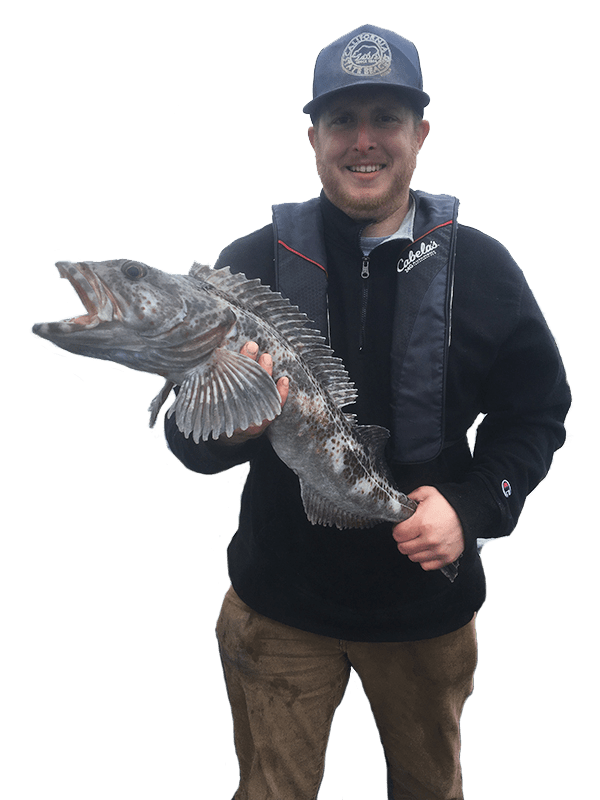
Bottom fishing in Oregon is one of the most popular ways to fish the coast, and for good reason. It gives people a chance to target strong, good-eating fish like rockfish, lingcod, cabezon, and sometimes other bottom fish when seasons and conditions allow.

I’m Captain Don with Pastime Fishing Adventures. I’ve spent more than 23 years guiding Oregon fishing trips, and I’ve fished a lot of different water across the Oregon Coast, Newport, Depoe Bay, Lincoln City, Tillamook, Astoria, the Columbia River, the Willamette River, The Dalles, and Portland-area waters.

When I take guests bottom fishing, I’m not just looking for a spot on a map. I’m watching the ocean, the tides, the wind, the swell, the structure, and the current regulations. This guide will help you understand how bottom fishing works, what to expect, and how to prepare for a guided Oregon fishing charter.

fresh-lingcod-and-rockfish-catch-oregon-coast

What is bottom fishing in Oregon?

Bottom fishing in Oregon means fishing near rocky reefs, ledges, and ocean structure where bottom-dwelling fish live and feed. The goal is to get bait or lures down near the bottom where species like rockfish and lingcod are holding.

On the Oregon Coast, bottom fishing is often done from a boat because we can reach productive reefs and structure offshore. These areas can hold fish because they provide cover, current breaks, and food.

A good bottom fishing trip is not just about dropping a line straight down. I’m looking at the drift, depth, tide, wind, and how the boat is moving over the structure. Small changes can make a big difference.

Captain Don’s quick take

Bottom fishing is a great choice for many guests because it can be active, hands-on, and easier to understand than some other fisheries.

When I take people bottom fishing, I want them to know what we are doing and why we are doing it. I’ll explain the gear, where the fish are holding, and how to feel the bite. Some days the ocean gives us a short window. Some days we can move around and test different spots.

The key is to fish smart, stay safe, and adjust to what the water gives us.

What fish can you catch bottom fishing in Oregon?

The most common bottom fishing targets in Oregon include rockfish, lingcod, cabezon, and other bottom fish, depending on the area, season, and current rules.

Rockfish are a common target because they live around reefs and rocky structure. Lingcod are another favorite because they hit hard and fight well. They are aggressive fish, and they are one of the species many guests get excited about.

Halibut are sometimes talked about with bottom fishing because they live near the bottom too, but halibut trips are usually planned differently. They can require different water, different timing, and longer runs depending on where the fish are.

Fishing seasons, limits, and retention rules can change, so I always tell guests to check current Oregon fishing regulations before the trip.

Where is the best bottom fishing in Oregon?

The best bottom fishing in Oregon is usually near rocky reefs, ledges, underwater structure, and areas where bait and current come together.

Out of the Oregon Coast ports, places like Newport and Depoe Bay are known for access to productive ocean fishing grounds. When I’m planning a trip, I’m looking for areas where the structure, depth, and ocean conditions line up.

I do not pick a spot just because it has produced before. Fish move. Conditions change. Current, swell, and wind can change how we fish a reef. A good guide has to pay attention and adjust.

What gear is used for Oregon bottom fishing?

Oregon bottom fishing usually uses sturdy rods, strong reels, weighted rigs, jigs, bait, or lures that can reach the bottom and stay in the strike zone.

On my boat, I want the gear to match the conditions. If the current is strong, we may need more weight. If the drift is right, we may be able to fish lighter and feel the bite better.

Some days bait works well. Some days jigs or artificial lures get more attention. The goal is to keep the presentation near the fish without dragging gear in a way that causes constant snags.

I’ll help guests understand what they are using and how to fish it. You do not need to show up already knowing how to bottom fish.

How do tides affect bottom fishing in Oregon?

Tides affect bottom fishing because they change current, drift, bait movement, and how fish hold around structure.

A good tide can help fish feed. Too much current can make it hard to keep gear near the bottom. Too little movement can make the bite slower.

When I’m planning a bottom fishing trip, I’m watching the tide along with the wind and swell. The tide might look good on paper, but if the ocean is rough or the drift is wrong, we may need to adjust where and how we fish.

That is part of guiding. You have to read the water in real time.

Is bottom fishing good for beginners and families?

Yes, bottom fishing can be a good choice for beginners and families when the ocean conditions are safe and the trip is a good fit.

Bottom fishing is hands-on, and guests often like that. You can feel the bottom, feel the bites, and learn what is happening below the boat. It is also a good way for newer anglers to build confidence.

I still take safety seriously. Not every ocean day is right for every group. If I have kids, newer anglers, or people who are worried about rough water, I look closely at the forecast and the type of trip that makes sense.

What should you expect on a Pastime Fishing Adventures trip?

You should expect a safe, personal, hands-on guided fishing trip where I help you understand the plan, the gear, and the conditions.

Before and during the trip, I’m watching the weather, water, fish movement, and guest experience. If the ocean changes, we adjust. If one spot is not producing, we may move. If someone is new, I’ll slow down and explain what to do.

On my boat, I want you to feel prepared. You do not need to know every technique before you arrive. I’ll help you understand how to drop, how to keep contact with the bottom, how to feel a bite, and what to do when a fish is on.

What should you bring on your Oregon fishing charter?

You should bring layers, rain gear, snacks, drinks, sunscreen, a camera, and motion sickness preparation if you think you may need it.

The Oregon Coast can change fast. It can feel warm at the dock and cold on the ocean. Good layers make a big difference. Rain gear is smart even if the forecast looks decent.

You may also need a fishing license depending on the trip. I do not want guests guessing on rules, so confirm current license and regulation requirements before the trip.

Why book with Captain Don and Pastime Fishing Adventures?

You should book with Captain Don and Pastime Fishing Adventures if you want a guided Oregon fishing trip led by someone with real local experience.

I have more than 15 years of guiding experience, and I’ve spent my life fishing Oregon waters. I guide for salmon, sturgeon, walleye, lingcod, halibut, rockfish, steelhead, and other species depending on the season and conditions.

Some days the ocean gives us the best opportunity. Other days a river fishery may be the better call. My job is to help guests choose a trip that fits the season, the water, and their group.

Frequently Asked Questions

Do I need experience to go bottom fishing in Oregon?

No, you do not need experience to go bottom fishing with Pastime Fishing Adventures.

I take beginners, families, and experienced anglers. I’ll explain the gear, show you what to do, and help you feel comfortable on the boat.

What is the best time of year for bottom fishing in Oregon?

The best time of year depends on the species, regulations, and ocean conditions.

Bottom fishing can be productive during different parts of the year, but seasons and rules can change. Always confirm current Oregon fishing regulations before your trip.

What fish are most common on an Oregon bottom fishing charter?

Rockfish and lingcod are two of the most common targets on many Oregon bottom fishing trips.

Other species may be possible depending on the area, season, and rules.

Is bottom fishing the same as halibut fishing?

No, bottom fishing and halibut fishing are not always the same kind of trip.

Halibut live near the bottom, but halibut trips often require different planning, different water, and sometimes longer runs.

Can kids go bottom fishing?

Yes, kids can go bottom fishing when the trip and ocean conditions are a good fit.

I want families to feel safe, prepared, and comfortable before we leave the dock.

Will I catch fish on a bottom fishing charter?

No captain can guarantee a catch.

What I can do is plan the trip carefully, watch the conditions, use my experience, and give you the best shot at a good day on the water.

Ready to book your Oregon fishing trip?

If you are thinking about bottom fishing in Oregon, I’d be happy to help you plan the right trip.

Tell me when you want to fish, who is coming, and what kind of experience you are looking for. I’ll help you understand the season, the conditions, and what makes sense for your group.

When you book with Pastime Fishing Adventures, you are booking a hands-on guided trip with me, Captain Don.

Call today to plan your Oregon fishing charter.

How to Land Your First Sturgeon in Columbia River: Insider Tips from the Experts

How to Land Your First Sturgeon in Columbia River: Insider Tips from the Experts

How to Land Your First Sturgeon in Columbia River: Insider Tips from the Experts

Fishing for sturgeon in Columbia River is an experience unlike any other. These prehistoric fish, with their massive size and strength, offer a thrilling challenge for anglers seeking to test their skills. However, landing your first sturgeon can be a daunting task without proper guidance. That’s why we’ve gathered insider tips from the experts to help you navigate the waters and increase your chances of success.

Close-up of a fish hanging in front of lake

Understanding the Sturgeon

Before you embark on your sturgeon fishing expedition, it’s essential to familiarize yourself with the species. Sturgeon are ancient fish known for their elongated bodies, bony plates called scutes, and distinctive snouts. In the Columbia River, the most commonly targeted species are white sturgeon, which can grow to impressive sizes exceeding 10 feet in length and weighing hundreds of pounds.

Close-up of a fresh pike fish


Choose the Right Gear:

Selecting the appropriate gear is crucial when targeting sturgeon. A sturdy rod and reel combo capable of handling heavy weights and strong currents are essential. Many anglers opt for heavy-duty rods paired with high-capacity reels spooled with braided line for added strength and sensitivity.
Additionally, using stout hooks and durable leaders is essential for handling the brute force of a sturgeon’s strike and preventing break-offs during the fight. Be sure to check local regulations regarding hook size and barb restrictions to ensure compliance.


Locate Prime Fishing Spots:

Finding the right fishing spot is key to increasing your chances of hooking into a sturgeon. In the Columbia River, sturgeon are often found in deep holes, channels, and eddies where they can ambush passing prey and take refuge from swift currents.

Consulting with local guides, studying navigation charts, and utilizing fish-finding technology can help pinpoint productive areas. Keep in mind that sturgeon are migratory and may change locations throughout the year, so staying flexible and willing to explore new spots can pay dividends.

Closeup of freshly caught sturgeon fish on fish farm

Master Bait Selection:

Choosing the right bait is critical when targeting sturgeon. These opportunistic feeders have a varied diet that includes fish, crustaceans, and even mollusks. Popular bait options for fishing for sturgeon in Columbia River include fresh smelt, shad, squid, and even commercially prepared sturgeon baits.

Experimenting with different bait types, sizes, and presentations can help determine what the fish are actively feeding on. Be prepared to adjust your tactics based on water conditions, seasonal changes, and angler reports to maximize your chances of success.


Patience and Persistence:

Successfully landing your first sturgeon in Columbia River requires patience and persistence. Sturgeon fishing can be a waiting game, with long periods of inactivity punctuated by sudden bursts of action. It’s essential to remain vigilant and attentive to your rod tip for any signs of a sturgeon bite.

When a sturgeon takes the bait, allow it time to fully engulf the offering before setting the hook with a firm, upward motion. Once hooked, be prepared for a spirited battle as the sturgeon employs its formidable strength to resist capture. Exercise caution and avoid rushing the fight to prevent exhaustion or injury to the fish.

Sturgeon White Sturgeon sturgeon in Columbia River stock pictures, royalty-free photos & images

Respect Conservation Practices:

As stewards of the Columbia River’s sturgeon fishery, anglers must prioritize conservation practices to ensure the sustainability of this iconic species for future generations. Familiarize yourself with local regulations regarding catch limits, size restrictions, and season closures, and adhere to them diligently.
Handle sturgeon with care, minimizing stress and injury by using proper catch-and-release techniques. Avoid removing the fish from the water whenever possible, and use barbless hooks to facilitate safe hook removal. Document your catch with photographs if desired, but prioritize the fish’s welfare above all else.


Fine-tune Your Rigging:

Fine-tuning your rigging setup can make a significant difference in your ability to hook and land sturgeon effectively. Experiment with leader lengths, hook sizes, and weight configurations to achieve the optimal balance between sensitivity and stability. Consider using sliding sinker rigs or three-way swivels to minimize resistance and allow sturgeon to mouth the bait more naturally before committing to a strike. Be prepared to make adjustments on the water based on feedback from bites and changing conditions to stay ahead of the game.


Embrace Night Fishing:

While sturgeon can be caught at any time of day, nighttime fishing sessions can offer a unique set of advantages. Sturgeon are nocturnally active feeders, often prowling the river bottom under the cover of darkness in search of prey. Fishing at night can reduce angler pressure and competition while increasing your chances of encountering actively feeding fish. Invest in quality lighting equipment, such as powerful headlamps or boat-mounted floodlights, to illuminate your fishing area and monitor rod tips for subtle bites.

Dead fish on table

Master the Art of Drifting:

Drifting is a popular technique used by sturgeon anglers to cover a wide area and present baits to actively feeding fish. Mastering the art of drifting requires careful boat control and strategic positioning to maintain optimal bait presentation while drifting with the current. Use drift socks or sea anchors to slow your drift speed and maintain control in strong currents. Experiment with different drift paths and speeds until you find the optimal combination that triggers sturgeon strikes consistently.


Wrapping It Up

Fishing for sturgeon in Columbia River is an unforgettable experience that requires skill, patience, and dedication. By following the insider tips provided by seasoned anglers, you can increase your chances of landing your first sturgeon and create lasting memories on the water.

Remember to respect the fishery, prioritize conservation practices, and savor the thrill of the chase as you pursue these ancient giants. With perseverance and a bit of luck, you’ll soon find yourself celebrating a successful sturgeon catch and joining the ranks of seasoned anglers who call the Columbia River their home waters. If you’re planning to fish for sturgeon in Columbia River, then you may want to book a fishing charter for higher chances of landing one!

Give us a call today and we can discuss our chartered services.

Schedule your Oregon Fishing Charter Today!