How to Book Your Next Oregon Fishing Charter

How to Book Your Next Oregon Fishing Charter

How to Book Your Next Oregon Fishing Charter

Oregon offers fantastic opportunities for fishing enthusiasts with its diverse rivers, lakes, and coastline. Booking a fishing charter in Oregon can provide an unforgettable experience, whether you’re an avid angler or a novice looking to reel in your first catch. Here’s a guide on how to book your next Oregon fishing charter.


How to Book Your Next Oregon Fishing Charter

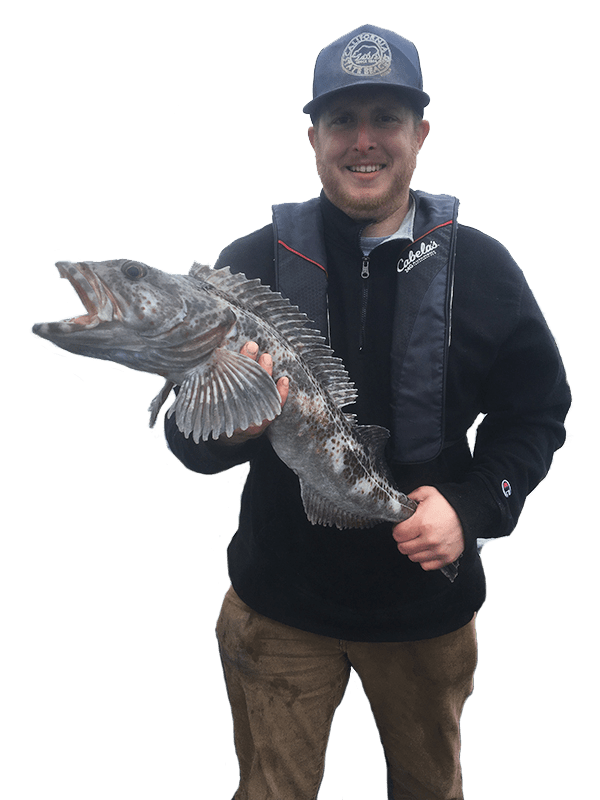
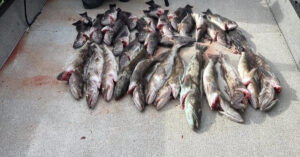
Deep Water Lingcod & Rock Fish Trip - Pacific Charter Services

Nestled within the scenic beauty of Oregon lie abundant opportunities for anglers seeking thrilling fishing experiences. From the sprawling rivers to the serene lakes and the captivating coastline, the state offers an array of options for those eager to cast their lines.

Venturing into an Oregon fishing charter promises not just a day on the water but an unforgettable journey into the heart of the state’s diverse and bountiful aquatic landscapes. So, if you’re ready to reel in some excitement and discover the art of angling in Oregon, let’s dive into the essential guide to booking your next fishing charter adventure.


Determine Your Preferences

Before booking a charter, consider what type of fishing experience you’re seeking. Oregon offers various options, including deep-sea fishing along the coast, salmon or steelhead fishing in rivers, or angling for trout in serene lakes. Understanding your preferences will help narrow down the charter options.


Research Charter Companies

Depoe Bay Whale Watching and Fishing Charters

Look for reputable fishing charter companies operating in Oregon. Check their websites, read customer reviews, and inquire about their fishing packages, including the type of fish targeted, trip duration, boat amenities, and pricing. Companies such as All Rivers & Saltwater Charters, Newport Marina Store & Charters, and others offer a range of fishing experiences across the state.


Consider Timing and Seasons

Oregon’s fishing seasons vary depending on the species and location. Certain fish are more abundant during specific months. For example, salmon fishing is best during late summer and fall. Consider the timing that aligns with the fish species you want to catch when booking your charter.


Check for Licenses and Regulations

Ensure that you and your charter company adhere to Oregon’s fishing regulations. Most charter services provide fishing licenses for their clients, but it’s essential to confirm this beforehand. Additionally, familiarize yourself with any size or catch limits set by the Oregon Department of Fish and Wildlife.


Communicate with Charter Captains

Ocean Salmon - Sharky's Charter Fishing Oregon

Contact the charter captain or company directly to discuss your preferences, ask questions, and confirm details. Inquire about the equipment provided, the level of expertise of the crew, and any additional amenities or services offered on board.


Compare Prices and Inclusions

Different charters may have varying pricing structures based on trip duration, group size, and included amenities. Ensure you understand what’s included in the package—some charters provide gear, bait, and cleaning services for caught fish, while others might charge extra for these services.


Book in Advance

Astoria Fishing Charters near the Astoria Riverwalk Inn

Fishing charters can get booked quickly, especially during peak seasons. Once you’ve decided on a charter company and a preferred date, make your reservation well in advance to secure your spot.


Be Prepared

Before the trip, gather any personal items you’ll need, such as sunscreen, appropriate clothing, snacks, and drinks. Follow any instructions provided by the charter company, arrive on time, and be ready for an exciting day on the water.


Enjoy the Experience

Once aboard, relax and enjoy the experience. Listen to the captain’s guidance, learn new fishing techniques, and take in the beautiful Oregon scenery while trying to catch your prized fish.


Customization Options

Inquire if the charter company offers customizable trips. Some may accommodate special requests, such as longer trips, specific fishing techniques, or catering to anglers with disabilities. Knowing the flexibility of the charter can tailor the experience to better suit your needs.


Safety Measures

Prioritize your safety by checking the charter’s safety protocols. Ensure that the boat is equipped with life jackets, first-aid kits, and communication devices. Experienced captains should also be well-versed in emergency procedures and weather monitoring.


Ask About Catch Policies

Understand the charter’s policy regarding the catch. Some charters practice catch-and-release, while others allow you to keep a portion of your catch. Additionally, inquire about the procedures for handling and storing fish during the trip.


Cancellation Policies

Understand the charter’s cancellation policy. Unforeseen circumstances may arise, necessitating a change in plans. Know the terms for cancellations, rescheduling, and potential refunds.


Group Size and Private Charters

Charter fishing Oregon coast

Determine if the charter offers private trips or if you’ll be joining a larger group. Some charters specialize in intimate, private experiences, while others cater to larger groups. Private charters offer more personalized attention and can be ideal for specific preferences.


Local Recommendations and Tips

Utilize local knowledge to enhance your fishing experience. Ask the charter captain or locals for tips on fishing spots, techniques, and bait preferences. They can provide valuable insights that may significantly improve your chances of a successful catch.


Post-Trip Services

Inquire about post-trip services such as fish cleaning, packaging, or recommendations on local restaurants that can cook your freshly caught fish. Some charters may offer these services as part of their package or at an additional cost.


Leave a Review

After your charter experience, consider leaving a review or feedback about your trip. Not only does this help future anglers make informed decisions, but it also provides valuable feedback to the charter company.


Wrapping It Up

Booking a fishing charter in Oregon can be an exhilarating adventure for anglers of all levels. With careful planning, thorough research, and clear communication with charter companies, you can ensure a memorable and successful fishing excursion along Oregon’s stunning waterways.

If you’re looking for a reputable fishing charter for your next trip, contact us now for more details!

Schedule your Oregon Fishing Charter Today!
A Complete Guide on How to Catch Sturgeon in Oregon

A Complete Guide on How to Catch Sturgeon in Oregon

A Complete Guide on How to Catch Sturgeon in Oregon

Oregon’s magnificent waterways offer a haven for anglers seeking the thrill of landing a massive sturgeon. Among the diverse array of fish species found in the state’s rivers, lakes, and reservoirs, sturgeon stand out as prehistoric giants, enticing fishing enthusiasts with their sheer size and impressive fighting ability. For those eager to pursue these ancient fish, here’s a comprehensive guide on how to catch sturgeon in Oregon.


Understanding Sturgeon

Kayak fisherman lands 350-pound sturgeon, and it's on video

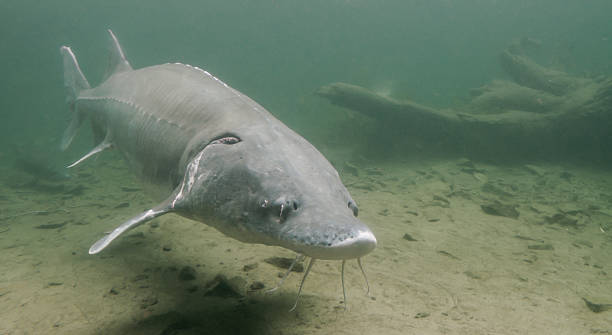
Sturgeon, often referred to as living fossils due to their ancient lineage, can grow to enormous sizes, making them a prized catch among anglers. In Oregon, the most commonly targeted species include the white sturgeon and, to a lesser extent, the green sturgeon. These fish inhabit various water bodies across the state, including the Columbia River, Willamette River, and other coastal rivers.


Regulations and Licensing

Before embarking on a sturgeon fishing adventure in Oregon, it’s crucial to be well-versed in the regulations governing sturgeon fishing. The Oregon Department of Fish and Wildlife (ODFW) sets specific rules regarding catch limits, size restrictions, and fishing seasons for sturgeon in different locations. Additionally, anglers must possess the appropriate fishing licenses and tags required for targeting sturgeon.


Best Locations for Sturgeon Fishing

Sturgeon Fishing Rainy River: The Ultimate Guide - Virtual Angling

  1. Columbia River: Renowned for its robust sturgeon population, the Columbia River is a prime hotspot for sturgeon fishing in Oregon. Specific areas like the Bonneville Pool, The Dalles Pool, and the Astoria-Megler Bridge area offer excellent opportunities to hook into sizable sturgeon.
  2. Willamette River: With its proximity to urban areas like Portland, the Willamette River provides accessible sturgeon fishing grounds. Focus on locations around known sturgeon holes, such as near bridges or deeper channels.


How to Catch Sturgeon in Oregon: Equipment and Techniques

  1. Rods and Reels: Sturgeon fishing requires sturdy rods and reels capable of handling the immense power of these fish. Medium to heavy-action rods paired with baitcasting or conventional reels spooled with braided line are commonly used.
  2. Baits and Rigs: Popular baits for sturgeon include smelt, shad, squid, or other oily fish. Sturgeon rigs often feature a sliding sinker setup with a leader and a barbless hook, allowing the sturgeon to take the bait without resistance.
  3. Bottom Fishing: Sturgeon are primarily bottom feeders, so fishing near the riverbed or in deeper holes where sturgeon congregate increases your chances of a successful catch. Anchoring your bait to the riverbed and waiting for the sturgeon to bite is a common tactic.


Patience and Persistence

Idaho Biologists Catch and Release Three 500-Pound Sturgeon | Outdoor Life

Sturgeon fishing often requires patience and persistence. These fish might not bite as frequently as other species, so being prepared to wait for extended periods is part of the experience. However, when a sturgeon takes the bait, the exhilarating fight is well worth the wait.


Conservation and Responsible Fishing

Sturgeon are long-lived and slow to reproduce, making their populations vulnerable to overfishing. Practicing catch-and-release, following size limits, and handling these fish with care are essential for the conservation of sturgeon populations in Oregon.


Advanced Techniques for Sturgeon Fishing

Catching Sturgeon - Anglers Journal - A Fishing Life

  1. Drift Fishing: Utilize a drift-fishing technique by allowing your bait to move naturally with the current. This method can be effective when fishing from a boat, especially in areas with a steady current flow.
  2. Sturgeon Jigging: Employ jigging techniques by using heavy jigs or spoons bounced along the river bottom. This method can entice sturgeon by mimicking wounded baitfish.


How to Catch Sturgeon in Oregon: Timing and Seasons

  1. Seasonal Considerations: Sturgeon fishing seasons and regulations can vary across different regions and water bodies in Oregon. Stay informed about seasonal closures, open seasons, and size limits, as these can change from year to year.
  2. Optimal Times: While sturgeon can be caught year-round, certain periods, such as spring and fall, may witness increased sturgeon activity as they migrate or congregate in specific areas. Pay attention to local fishing reports or seek advice from seasoned anglers for the best times to target sturgeon.


How to Catch Sturgeon in Oregon: Boating and Navigation

  1. Boat Selection: For river-based sturgeon fishing, consider using a sturdy boat equipped with an anchor system suitable for securing in deeper waters or strong currents. Pontoon boats, drift boats, or specialized fishing vessels are popular choices.
  2. Navigation Tips: Familiarize yourself with the waterways you intend to fish in, as sturgeon often prefer certain depths or structures. Use navigational aids like depth finders or GPS to locate potential sturgeon holding areas.


Safety Precautions

Sturgeon FAQs | Stugeon Facts | Fishing for Sturgeon

  1. Proper Handling: Sturgeon are powerful and can be dangerous when brought aboard. Exercise caution and use appropriate handling techniques, such as using gloves and supporting the fish’s body when lifting it.
  2. Safety Gear: Wear a life jacket at all times while on the water, especially when fishing from a boat. Sturgeon fishing often involves dealing with heavy gear, and unexpected events can occur, so safety should always be a priority.


Local Knowledge and Guides

  1. Guide Services: Consider hiring experienced local guides who possess extensive knowledge of sturgeon behavior, fishing spots, and techniques. Guides can offer invaluable insights that enhance your chances of a successful sturgeon fishing expedition.
  2. Community Engagement: Engage with local angling communities or forums to share experiences, gather tips, and stay updated on the latest trends or changes in sturgeon fishing regulations and techniques.


Wrapping It Up

Oregon’s waterways provide an exciting and rewarding opportunity for anglers to pursue the legendary sturgeon. From understanding regulations to selecting the right equipment and employing effective fishing techniques, mastering the art of sturgeon fishing requires dedication and a deep appreciation for these remarkable fish. By following regulations, respecting the environment, and practicing responsible angling, anglers can contribute to the conservation of sturgeon while enjoying the thrill of the chase and the satisfaction of landing one of the Pacific Northwest’s most iconic species.

Now that you know more about how to catch sturgeon in Oregon, the next step is planning your nest fishing trip! Book a fishing charter with us now and let’s take care of the rest. Click here to contact us!

Schedule your Oregon Fishing Charter Today!
Exploring Oregon’s Best Year-Round Fishing Holes for Winter

Exploring Oregon’s Best Year-Round Fishing Holes for Winter

Exploring Oregon’s Best Year-Round Fishing Holes for Winter

Oregon, renowned for its stunning natural landscapes, diverse ecosystems, and abundant water bodies, offers fishing enthusiasts a year-round paradise. Even in the winter months, when icy winds chill the air and snow blankets parts of the state, Oregon’s waterways remain alive with opportunities for anglers seeking a thrilling fishing experience.


Embracing Winter Fishing in Oregon

Oregon Coast Winter Steelhead Trip - Bend Fly Shop

While some might retreat indoors during the colder months, passionate anglers recognize the beauty of winter fishing in Oregon. The state’s rivers, lakes, and streams offer a plethora of fish species waiting to be caught, providing a unique and rewarding challenge for those who dare to venture out during this season.


Winter Species and Where to Find Them

  1. Steelhead: Oregon is famous for its winter steelhead runs. Rivers like the Rogue, Umpqua, and Sandy River are hotspots for these feisty fish. Anglers often pursue steelhead using a variety of techniques, such as drift fishing, fly fishing, or using bait like cured roe or shrimp.
  2. Trout: Many lakes and rivers across Oregon boast trout populations that remain active throughout the winter. Places like the Deschutes River or the Metolius River offer opportunities for fly fishing for trout, especially in the stretches with warmer water from springs.
  3. Salmon: Though the salmon runs might slow down in winter, some rivers still see late runs or holdover fish. Locations like the Wilson River or the Nestucca River might offer chances to hook a late-season salmon.


Best Year-Round Fishing Holes for Winter

Backcountry on Ice” Fishing Event A Big Hit - Backcountry Hunters and  Anglers

  1. Deschutes River: Known for its breathtaking scenery, the Deschutes River, particularly the section below the Warm Springs Dam, provides excellent trout fishing opportunities even in the coldest months.
  2. Rogue River: Renowned for its steelhead runs, the Rogue River offers winter fishing adventures, especially around Gold Beach. Its diverse waters cater to various angling techniques, ensuring a thrilling experience.
  3. Umpqua River: The Umpqua River boasts remarkable winter steelhead fishing. The North Umpqua River, in particular, presents a challenging yet rewarding experience for anglers seeking these elusive fish.
  4. Sandy River: Close to Portland, the Sandy River hosts a robust steelhead run, attracting anglers eager to test their skills against these powerful fighters.


Tips for Winter Fishing Success

An angler's lessons in ice fishing

  1. Adjust Techniques: Winter conditions often require modifications to usual fishing techniques. Slower presentations and fishing deeper water can increase your chances of a successful catch.
  2. Dress Appropriately: Oregon winters can be cold and wet. Dress in layers, wear waterproof clothing, and don’t forget gloves and a hat to stay warm and comfortable.
  3. Check Regulations: Always review the latest fishing regulations and licensing requirements for the specific area you plan to fish in. Conservation efforts might result in seasonal or area-specific rules.


Conservation and Respect for Nature

Responsible angling goes hand in hand with conservation efforts. Practicing catch-and-release, respecting fishing limits, and leaving no trace are crucial to preserving Oregon’s natural beauty and ensuring its fisheries thrive for generations to come.


Special Winter Fishing Techniques

Best Ice Fishing in Oregon - Best Fishing in America

  1. Spey Casting for Steelhead: Oregon’s winter steelhead fishing often involves using spey rods and specialized casting techniques due to the larger rivers’ wide-open spaces. Learning spey casting can greatly improve your chances of success when targeting steelhead in rivers like the Sandy or the Clackamas.
  2. Ice Fishing: In some parts of Oregon, particularly in lakes and reservoirs in the eastern region, ice fishing becomes a popular activity during the winter months. Anglers drill holes in the ice and use specialized gear to catch trout, perch, or kokanee.


Scenic Winter Fishing Destinations

  1. Crane Prairie Reservoir: This serene reservoir in Central Oregon offers exceptional ice fishing opportunities for trout, including the elusive trophy-sized “Cranebows.” The frozen landscape against the backdrop of the Cascade Mountains makes for a picturesque setting.
  2. Wallowa Lake: Nestled in the northeastern part of Oregon, Wallowa Lake remains a winter fishing gem. Ice fishing for trout or kokanee in this stunning alpine lake surrounded by snow-covered peaks is an experience like no other.


Preparing for Safe Winter Fishing

Ice Fishing Hot Spots in Michigan - Hour Detroit Magazine

  1. Safety Measures: Ice thickness can vary, so always ensure the ice is thick enough to support your weight before venturing onto frozen lakes or reservoirs for ice fishing. Safety gear like ice picks and a life jacket can be lifesavers in case of emergencies.
  2. Weather Monitoring: Keep an eye on weather forecasts and be prepared for sudden changes. Winter storms in Oregon can roll in unexpectedly, so it’s essential to stay informed and plan accordingly to ensure a safe fishing expedition.


Enjoying the Experience Beyond Fishing

  1. Wildlife Encounters: Oregon’s winter fishing expeditions often come with the added bonus of witnessing diverse wildlife. Bald eagles soaring above, otters playing in the water, or deer grazing nearby add to the enchantment of the fishing experience.
  2. Community and Camaraderie: Winter fishing in Oregon often brings together a community of dedicated anglers. Sharing stories, tips, and experiences with fellow fishermen can enhance the enjoyment of the sport, creating lasting memories.


Sustainable Practices and Stewardship

  1. Conservation Education: Participate in local conservation efforts or workshops to learn about responsible fishing practices and how to contribute to preserving Oregon’s natural habitats and fisheries.
  2. Leave-No-Trace Principles: Whether fishing from the bank, a boat, or ice, always clean up after yourself. Dispose of fishing line, bait containers, and any trash properly to minimize your impact on the environment.


Wrapping It Up

Winter in Oregon doesn’t hinder the angling spirit; instead, it presents a different kind of challenge and adventure for fishing enthusiasts. With its diverse water bodies and abundant fish species, Oregon offers ample opportunities for anglers to experience the thrill of fishing even amidst winter’s embrace. So grab your gear, bundle up, and explore Oregon’s year-round fishing holes for an unforgettable winter angling experience.

Besides learning all about Oregon’s best year-round fishing holes for winter, prepare your fishing trip by booking a charter! Contact us now for more details.

Schedule your Oregon Fishing Charter Today!
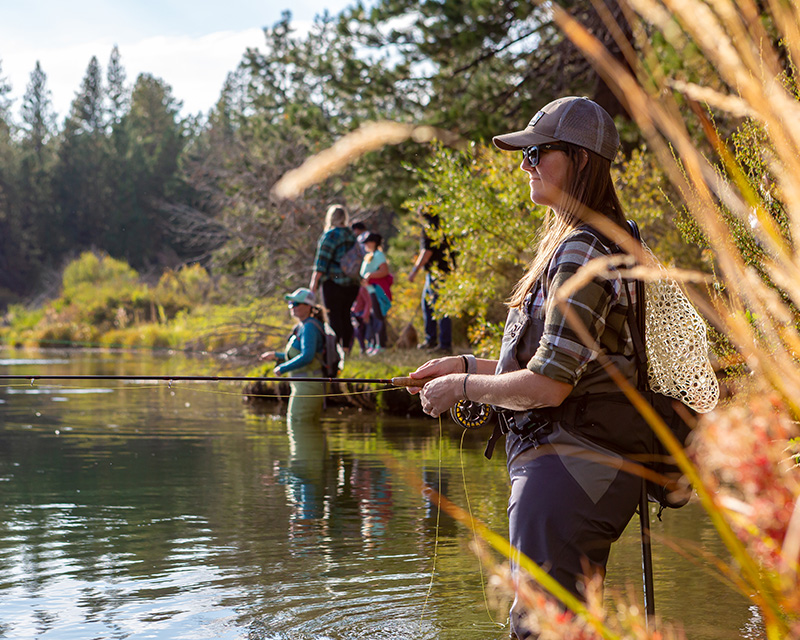
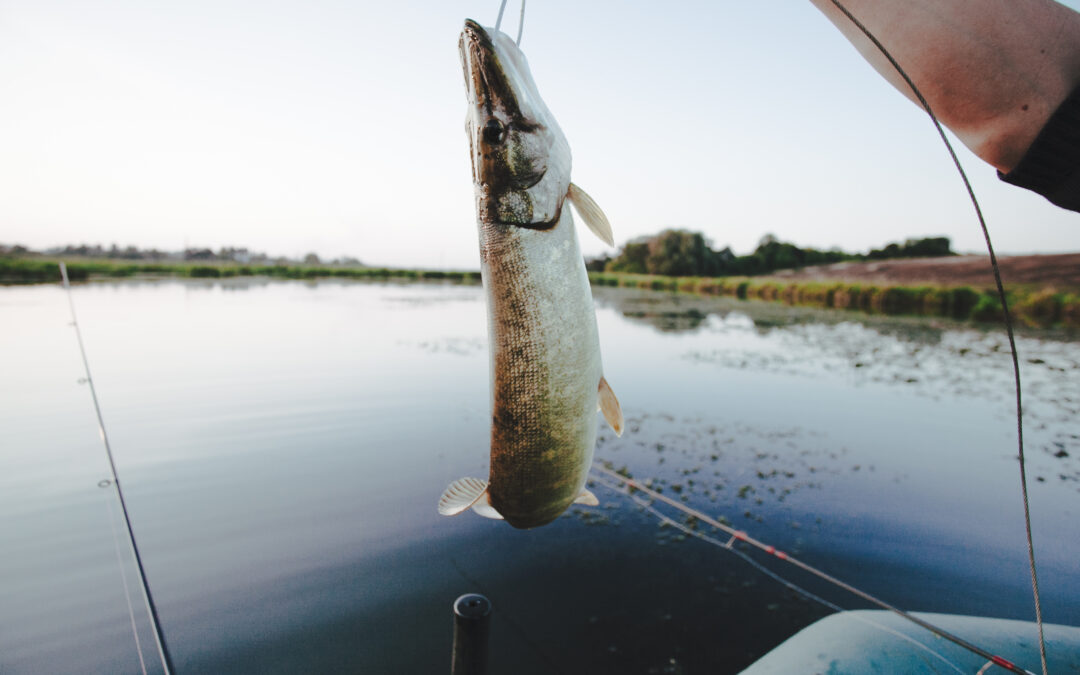
The Complete Guide to Fly Fishing in Oregon’s Wild Waters

The Complete Guide to Fly Fishing in Oregon’s Wild Waters

The Complete Guide to Fly Fishing in Oregon’s Wild Waters

Oregon, with its diverse landscapes and abundant waterways, is a fly fisherman’s paradise. From pristine mountain streams to winding rivers and serene lakes, the state offers a wide range of fishing experiences for anglers of all levels. In this guide, we’ll explore some of the best spots, techniques, and tips for fly fishing in Oregon’s wild waters.


Choosing the Right Gear

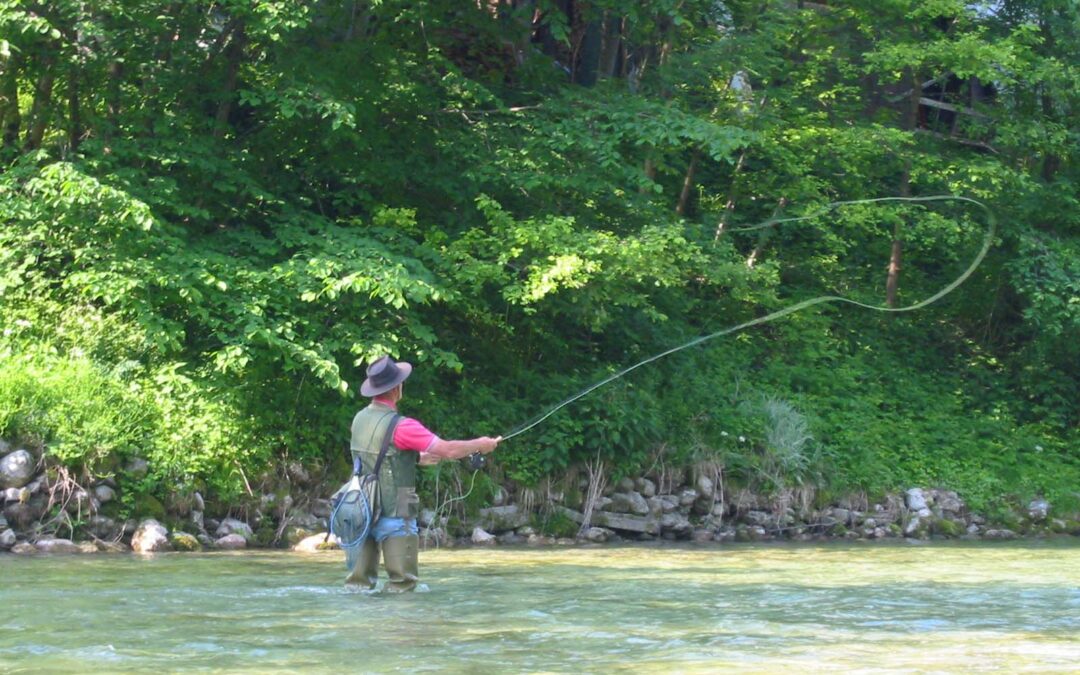
Fishing, Fly Fishing in Bend Oregon and Central Oregon | Visit Bend

Before embarking on your fly fishing adventure in Oregon, it’s essential to have the right gear. Here are the basics you’ll need:


Fly Rods and Reels

– Rod Weight: For Oregon’s diverse waters, a 4-6 weight rod is versatile enough to handle everything from small streams to larger rivers.

– Reel: Opt for a reel with a smooth drag system to handle potential larger fish.


Fly Lines

A weight-forward floating line is a good all-around choice, but consider sinking lines for deeper waters or specialty lines for specific conditions.


Leaders and Tippet

9-foot leaders in various weights and tippet material ranging from 4x to 6x will cover most situations.


Flies

Research local hatches and bring a variety of nymphs, dry flies, and streamers to match the local insect life.


Waders and Boots

Breathable waders and sturdy boots with felt or rubber soles are crucial for navigating Oregon’s rivers and streams.


Accessories

A quality vest or pack, nippers, forceps, and a landing net are essential tools for a successful day on the water.


Choosing the Right Spot

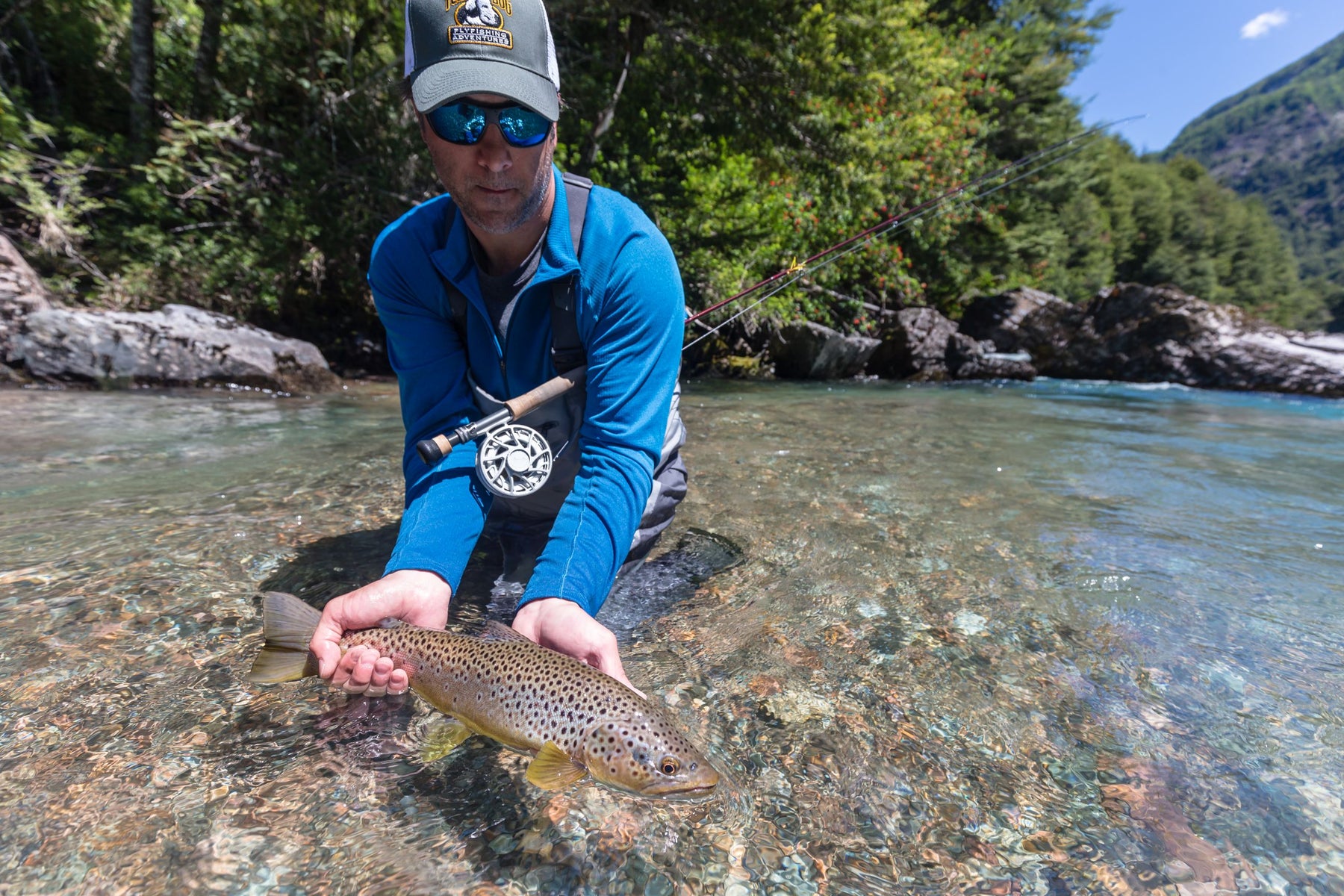
How to Go Fly Fishing in Oregon: The Complete Guide for 2023

Oregon boasts an array of fishing spots, each with its unique charm and challenges. Here are some of the top locations to consider:

  1. Deschutes River: Known for its excellent trout and steelhead fishing, the Deschutes offers both challenging and rewarding fly fishing experiences.
  2. Metolius River: This spring-fed river is renowned for its crystal-clear waters and vibrant aquatic life, making it an ideal spot for dry fly fishing.
  3. Rogue River: With its stunning scenery and abundant salmon and steelhead, the Rogue is a popular destination for fly anglers.
  4. Crane Prairie Reservoir: This high desert reservoir offers exceptional stillwater fishing for trout and bass.
  5. North Umpqua River: Known as one of the most beautiful rivers in the United States, the North Umpqua is famous for its challenging steelhead fishing.
  6. Crooked River: This picturesque river offers excellent opportunities for trout fishing. The technical nature of the river demands precise presentations, making it a favorite among experienced anglers.
  7. Lower Deschutes River: Known for its incredible salmonfly hatch in the spring, the Lower Deschutes is a haven for dry fly enthusiasts. The majestic canyon backdrop adds to the allure.
  8. Wallowa Lake: Nestled in the Wallowa Mountains, this deep, clear lake offers fantastic fishing for lake trout (mackinaw) and cutthroat trout. It’s a serene spot surrounded by stunning alpine scenery.
  9. McKenzie River: Famous for its emerald-green waters and prolific hatches, the McKenzie River provides excellent opportunities for both beginners and seasoned fly fishermen. It’s particularly known for its rainbow and cutthroat trout.
  10. East Lake: Located in the Newberry National Volcanic Monument, East Lake offers superb stillwater fishing for rainbow trout, brown trout, and Atlantic salmon. It’s a tranquil setting with views of volcanic landscapes.


Mastering Fly Fishing Techniques

Oregon Coast Winter Steelhead Trip - Bend Fly Shop

Oregon’s diverse waters require a range of techniques to maximize success. Here are some essential techniques to master:

  1. Nymphing: Use weighted nymph patterns and indicators to fish subsurface, especially in slower-moving waters.
  2. Dry Fly Fishing: Match the hatch with accurate imitations of local insects to entice trout to the surface.
  3. Streamers: Swing or strip large streamer patterns to mimic baitfish and entice predatory fish.
  4. Spey Casting: For larger rivers, mastering the spey cast can cover more water efficiently and effectively target steelhead.
  5. Euro Nymphing: This technique involves using heavily weighted nymphs with long leaders and no indicator. It’s highly effective for precise presentations in faster currents.
  6. Dry-Dropper Rigs: Combining a dry fly with a nymph below it, this versatile setup allows you to cover both surface and subsurface feeding zones, increasing your chances of success.
  7. Night Fishing: During the warmer months, night fishing can be incredibly productive. Using large, dark-colored flies can entice trout and other species that are more active after sunset.


Seasons and Hatches

The Art of Oregon Fly-Fishing - 1859 Oregon's Magazine

  1. Spring (March – May): Look out for the famous salmonfly hatch on rivers like the Deschutes and Lower Deschutes. Additionally, various caddis, mayflies, and stoneflies become active during this time.
  2. Summer (June – August): Pale morning duns, green drakes, and terrestrials like grasshoppers and ants are prevalent during the summer months. High mountain lakes and reservoirs become productive for stillwater fishing.
  3. Fall (September – November): As temperatures cool, hatches like blue-winged olives and mahogany duns become essential for dry fly enthusiasts. Steelhead fishing on rivers like the Rogue picks up in the later months.


Local Guides and Services

Consider hiring a local guide or utilizing a fly shop’s services. They have invaluable knowledge of the area, access to private waters, and can provide essential tips for a successful outing.


Conservation and Ethics

Responsible fishing is crucial to preserving Oregon’s natural beauty and delicate ecosystems. Always follow catch-and-release practices when necessary, respect fishing regulations, and pack out all trash.

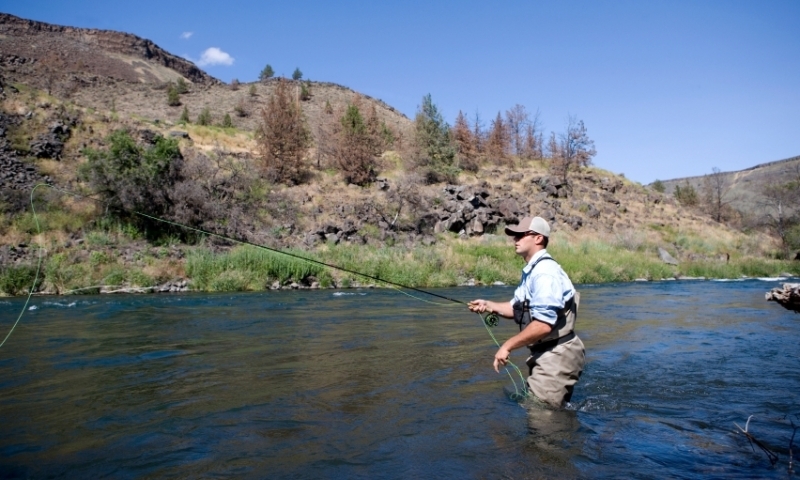
Trout fishing on the Williamson River in southern Oregon | Outdoors |  bendbulletin.com

Also, be aware of your surroundings and take necessary precautions. Familiarize yourself with potential hazards like fast currents, changing weather conditions, and wildlife encounters. Additionally, practice Leave No Trace principles to minimize your impact on the environment.


Wrapping It Up

Fly fishing in Oregon’s wild waters offer a rich tapestry of fishing experiences for enthusiasts of all levels. Whether you’re casting a dry fly on the Metolius or swinging a streamer on the Rogue, each adventure promises breathtaking scenery and the chance to connect with nature.

Before you take on your fishing adventure of a lifetime, you’ll want to make sure you get a charter or guide. Whether you’re going fly fishing in Oregon, nearshore, or offshore, we’ve got you covered. Contact us today to book your charter!

Schedule your Oregon Fishing Charter Today!
Effective Fishing Strategies in Oregon to Land Big Catches

Effective Fishing Strategies in Oregon to Land Big Catches

Effective Fishing Strategies in Oregon to Land Big Catches

THE FISHING — FLYFISH OREGONOregon is a haven for anglers, boasting a diverse range of water bodies, from the mighty Pacific Ocean to tranquil rivers and high mountain lakes. The state offers a plethora of opportunities to hook into some of the biggest and most sought-after fish species. However, to truly succeed, you’ll need more than just a fishing rod and bait. Here are some effective fishing strategies in Oregon to land big catches.


Effective Fishing Strategies in Oregon to Land Big Catches

Oregon free fishing weekend: Here are the best fishing opportunities

Know Your Target Species

Before heading out, it’s crucial to know what species of fish you’re targeting. Oregon offers a variety of species, including salmon, steelhead, trout, bass, sturgeon, and more. Each species has its preferred habitat, feeding patterns, and seasonal behaviors. Understanding these nuances will significantly increase your chances of success.


Seasonal Timing is Key

Oregon’s diverse climate and geography mean that fishing conditions vary significantly throughout the year. Different species are more active during specific seasons. For instance, salmon and steelhead runs are prominent in late summer and fall. Research the best times for the species you’re targeting to optimize your chances.

Prepare Yourself For Trout Fishing on Mountain Fork River - Broken Bow  Cabin Lodging


Invest in Quality Gear

Having the right equipment is paramount. Invest in quality fishing rods, reels, lines, and tackle. Different fish species may require specific gear, so ensure you have a variety of options at your disposal. Additionally, make sure your gear is well-maintained to avoid any mishaps while out on the water.


Stay Informed About Regulations

Oregon’s fishing regulations are designed to preserve the state’s diverse aquatic ecosystems. Stay updated on the latest fishing regulations, including size limits, bag limits, and seasonal restrictions. This knowledge not only helps protect the environment but also ensures you’re fishing within legal bounds.


Locate the Right Fishing Spots

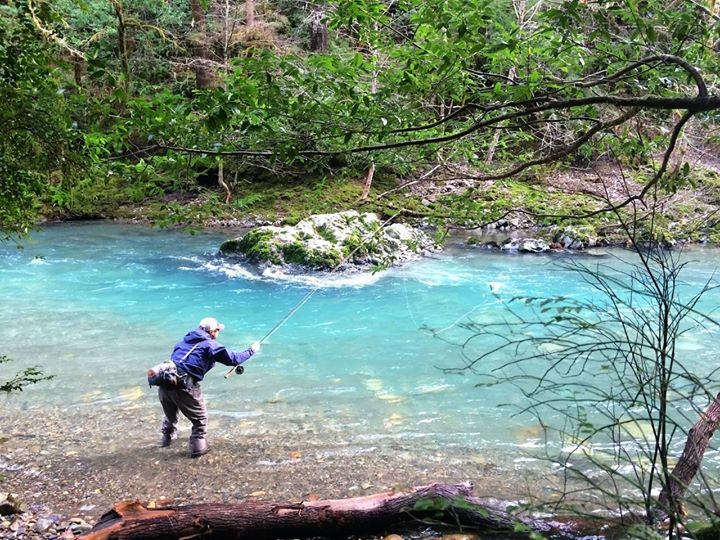
Oregon is beautiful, but I can't seem to ever catch anything. Any advice?  Taken on the Nahalem River : r/flyfishing

Oregon offers a wide range of fishing environments, from coastal beaches to mountain lakes and wild rivers. Do thorough research or talk to local experts to find the best spots for your target species. Some well-known fishing spots include the Columbia River, Deschutes River, and the coastal towns of Newport and Astoria.


Master Different Techniques

Different fish species require different fishing techniques. For example, trolling is effective for targeting salmon and trout in larger bodies of water, while fly fishing is popular for trout in streams and rivers. Learn and master various techniques to adapt to different fishing environments.


Pay Attention to Tides and Currents

If you’re fishing in coastal areas or rivers influenced by tides, understanding their patterns is crucial. Tides and currents can greatly affect fish behavior. Research tide charts and current forecasts to plan your fishing trip accordingly.


Experiment with Bait and Lures

Fish can be finicky when it comes to their food preferences. Experiment with different baits and lures to see what works best for your target species. Live bait, artificial lures, and even different colors can make a significant difference in your success rate.


Practice Patience and Observation

5 great spots for trout fishing in Central Oregon

Fishing often requires a good dose of patience. Observing the water, paying attention to subtle movements or changes, and being attuned to nature’s cues can make a big difference. Sometimes, the key to success is knowing when to wait and when to adjust your strategy.


Respect the Environment

Lastly, always respect the environment you’re fishing in. Leave no trace, follow catch-and-release guidelines when necessary, and be mindful of the impact you have on the ecosystem.


Stay Informed with Local Knowledge

Engage with local fishing communities, forums, and bait shops. Locals often possess invaluable knowledge about current fishing conditions, hotspots, and the best techniques for specific areas. They can provide insights that might not be found in guidebooks or online resources.


Stay Adaptable and Flexible

Fishing conditions can change rapidly due to weather, water levels, or fish behavior. Be prepared to adapt your strategies on the spot. This might involve changing your bait, adjusting your technique, or even relocating to a different spot.


Utilize Technology Wisely

Modern technology, such as fish finders and GPS devices, can greatly enhance your chances of success. Fish finders can help you locate schools of fish and understand their depth, while GPS devices can ensure you stay on course to your chosen fishing spot.


Understand Fish Behavior

Knowing the behavior of the fish you’re targeting can be a game-changer. Some fish are more active during dawn and dusk, while others may feed at different depths depending on factors like water temperature. Understanding these patterns can guide your approach.


Experiment with Presentation

How you present your bait or lure can make a significant difference. This includes factors like the speed of retrieval, depth at which you fish, and the movement of your bait. Sometimes, a subtle change in presentation can trigger a strike.


Practice Catch-and-Release

THE FISHING — FLYFISH OREGON

If conservation is important to you, consider catch-and-release fishing. This ensures that fish populations remain healthy and sustainable for future generations of anglers. Handle fish carefully, use barbless hooks, and release them gently back into the water.


Weather and Moon Phases Matter

Weather conditions, including temperature, barometric pressure, and cloud cover, can influence fish behavior. Additionally, moon phases can affect feeding patterns. While fish can be caught in any weather, understanding these factors can help you plan your trips for optimal success.


Be Patient, Stay Persistent

Fishing isn’t always about instant gratification. It requires persistence and a willingness to learn from both successes and failures. Some of the best catches come to those who put in the time and effort.


Enjoy the Experience

Remember that fishing is not only about the catch, but also about the experience itself. Take in the natural beauty, appreciate the serenity of the water, and relish the time spent outdoors. Whether you land a trophy fish or not, every fishing trip is an opportunity for adventure and connection with nature.


Wrapping It Up

Effective fishing strategies in Oregon require a combination of knowledge, skill, and respect for the environment. By understanding the behavior of your target species, investing in quality gear, and employing a variety of techniques, you’ll greatly increase your chances of landing big catches in this diverse and beautiful state.

If you’re still looking for a fishing charter to help your chances of landing the big one, contact us now to learn more about our services!

Schedule your Oregon Fishing Charter Today!