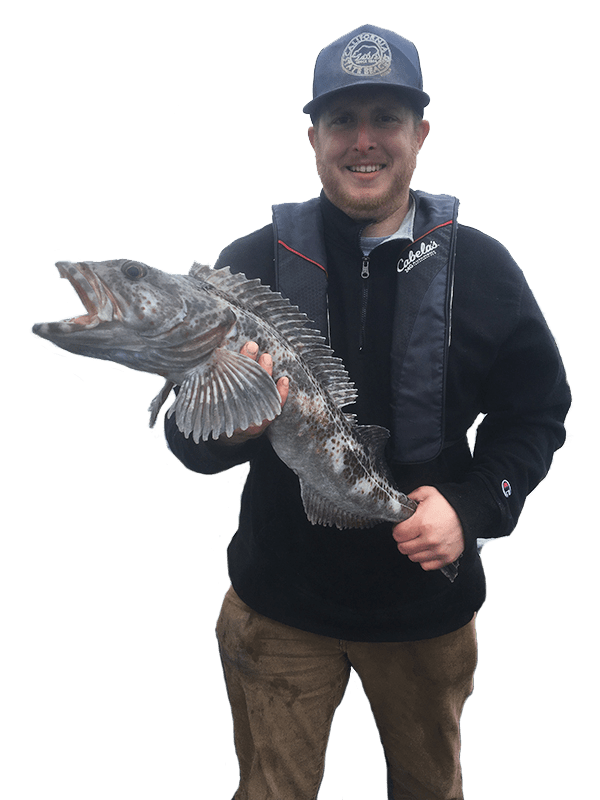
Oregon Cabezon Fishing on Nearshore Reefs – 9 Beginner Mistakes and How Guides Fix Them
If you’re new to Oregon cabezon fishing, there’s a lot more to success than dropping a bait and hoping for the best. These crab-crunching, reef-loving ambush predators aren’t forgiving if your tackle or technique is off. Along the rugged Oregon Coast, local guides have seen just about every rookie mistake in the book—and they know exactly how to correct them.
Whether you’re casting from a jetty or hopping on a charter, this list of common mistakes (and how pros fix them) can save your trip and help you land more fish. Let’s dive into the nine most common slip-ups anglers make when targeting cabezon on nearshore reefs.
9 Beginner Mistakes
1. Fishing Too Light or Too Heavy for the Current and Depth
Many beginners underestimate how much weight they need to hold bottom, especially in strong currents. Others go too heavy and end up dragging their bait into every rock on the reef. Either way, you’re not keeping your bait in the strike zone where cabezon feed.
Guides watch how your line behaves. If it scopes way out, they’ll hand you more lead. If you’re snagging nonstop, they’ll downsize the weight. The goal is to bounce the bottom just enough to stay in contact without dragging. They’ll adjust weights drift by drift to keep you dialed in.
2. Losing Bottom Contact and Drifting Above the Strike Zone
You might feel bottom once, then drift off without realizing your bait is 10 feet up and out of play. It happens fast in moving water, especially if you’re not constantly checking contact.
Guides coach you to stay vertical, feel that “tick” of the bottom often, and re-drop if you lose it. They manage the boat’s drift so you stay over a fish-holding structure and will reset the drift the moment you’re off the reef.
3. Overworking Jigs Instead of Concise Bottom Taps
A lot of anglers jig like they’re chasing tuna—big, aggressive rod snaps that lift the lure far off the bottom. But cabezon aren’t chasing down fast prey; they want a meal to land in front of their nose.
Experienced captains teach a subtle, slower approach: small hops and frequent pauses. Just enough motion to make the jig dance. That keeps your offering right in the strike zone and leads to way more hookups.
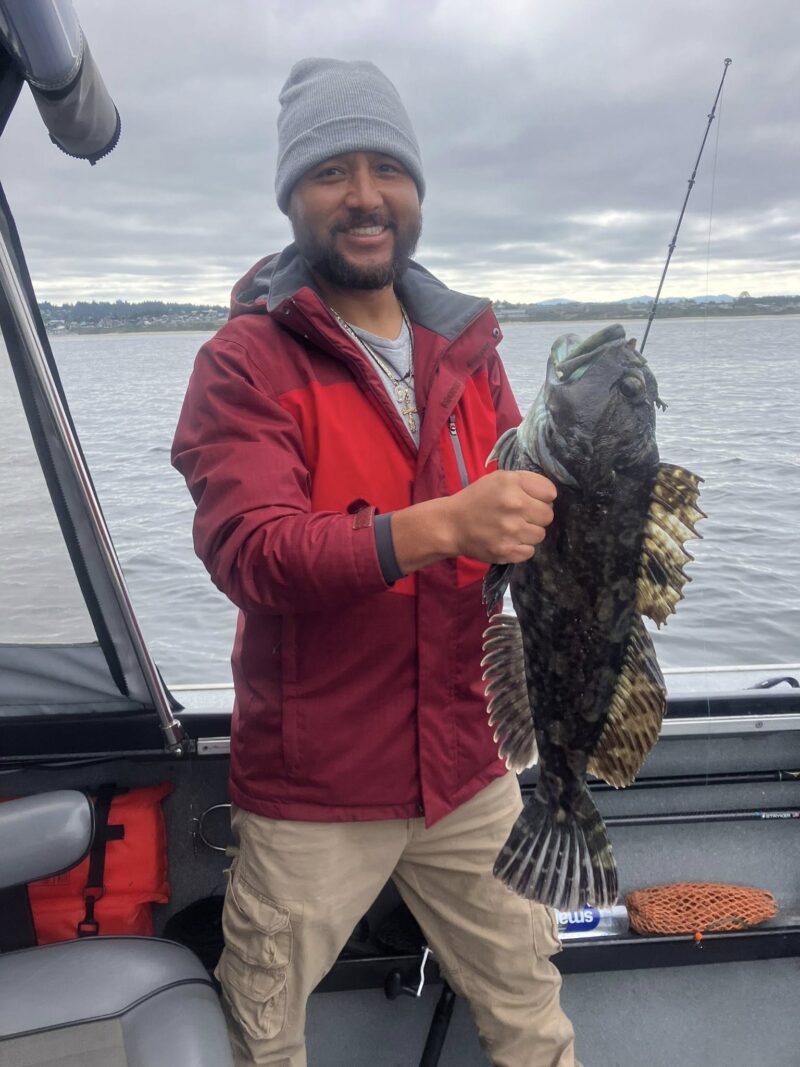
4. Using Leaders That Are Too Light or Too Long Around Rocks
Light leaders may work in clear water lakes, but on the rocky Oregon bottom, they’re a recipe for heartbreak. Long leaders can also drift into cracks and snag constantly.
Charter crews rig up with short, abrasion-resistant leaders—30 to 50-pound test—and check them often for nicks. You’ll still feel the bite, but you’ll land more fish and lose a lot less gear.
5. Setting the Hook Late or with Poor Rod Position
New anglers often wait too long to set the hook, or they’re holding the rod tip high and can’t get a solid hookset. Cabezon have thick mouths and need a strong, well-timed lift to drive the hook home.
Guides show you how to hold the rod low and be ready. The second you feel pressure, you’re coached to reel down and sweep upward firmly. That quick reaction makes all the difference.
6. Ignoring Tide Changes and Not Resetting the Drift
As the tide turns, the drift changes. But beginners often keep fishing the same way, wondering why the bites stopped or why their line angle looks strange.
Your captain is watching the tide chart and will adjust position as soon as the current direction or speed changes. That might mean starting the drift from the other side of the reef or repositioning the boat entirely.
7. Misidentifying Species or Misreading Size Limits
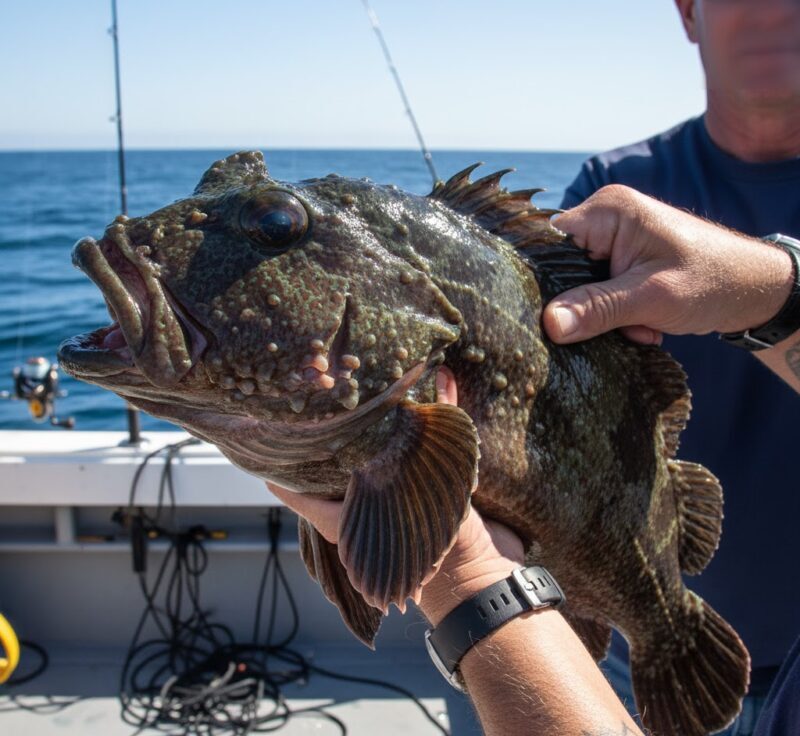
Oregon cabezon limits are strict: only one per day, and it must be at least 16 inches. Mistaking a kelp greenling or short cabezon can lead to unintentional violations.
Guides measure every fish and walk clients through ID differences. They often carry laminated fish charts on board and take time to explain which species are legal and which must go back.
8. Poor Fish Handling on the Rocks or in the Boat
A flopping cabezon on a wet deck can bend hooks, beat itself up, or even injure you. Mishandling on slippery jetties is even worse—some fish are lost (or people hurt) because of bad footing and no plan.
Pros use nets or lip grips, wear gloves, and dispatch keepers quickly and humanely. They also show clients how to hold fish securely and lower releases gently to reduce harm.
9. Skipping Safety Checks for Swell, Footwear, and Gloves
The Oregon Coast is no joke. Ignoring swell forecasts or showing up in sandals is asking for trouble. Waves, wind, and slippery surfaces can turn a fun trip serious in a hurry.
Charters brief clients ahead of time on gear, recommend boots with good grip, and cancel trips if conditions aren’t safe. They plan for safety first, always. Don’t cut corners on your own prep.
What to Expect on a Charter
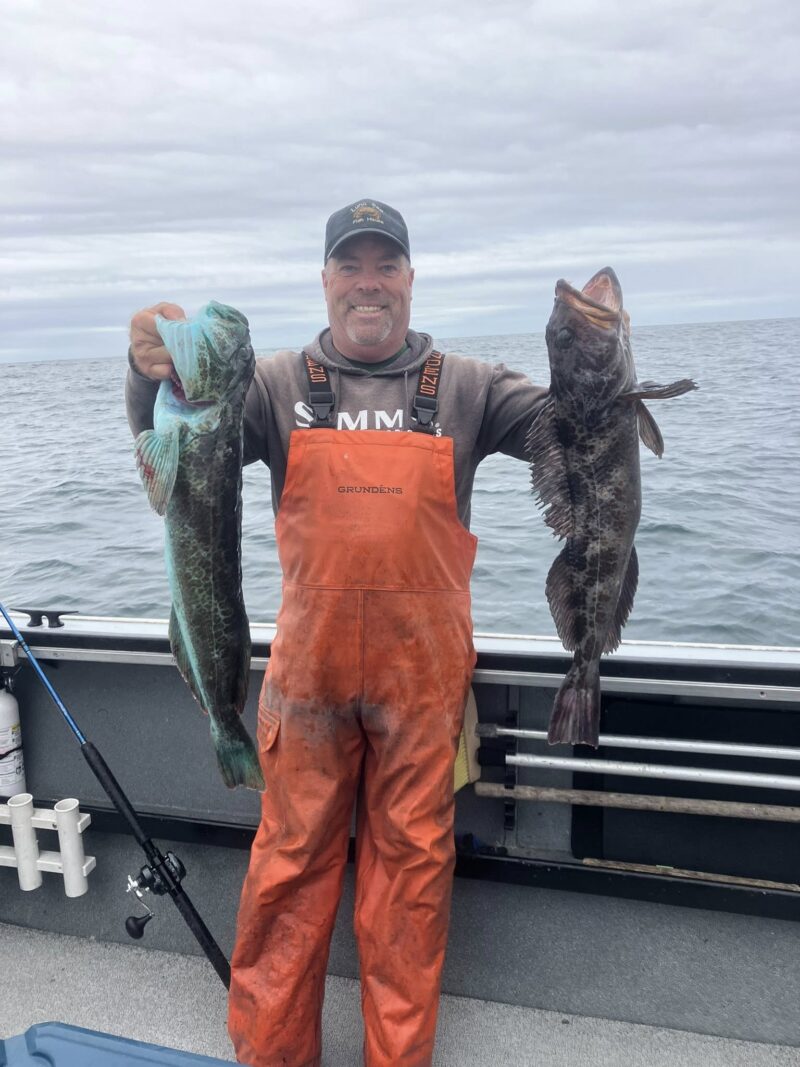
On a guided nearshore reef fishing Oregon trip, you’ll fish productive reef systems from 30 to 100 feet deep. Trips usually run 6 to 8 hours and depart early to catch calmer seas and prime tides.
Pastime Fishing Adventures provides rods, reels, bait, tackle, and safety gear. You’ll get one-on-one help with rigging, technique, and fish handling. And if the bite is on, expect action from cabezon, rockfish, and lingcod.
Bring your license, rain gear, food, and a cooler for your catch. Layer up—conditions can change fast. Most importantly, show up ready to learn. Our crew is here to coach you every step of the way.
Book Your Oregon Cabezon Fishing Trip
Oregon cabezon fishing is one of the most rewarding challenges on the coast. When you fish with a guide who knows the structure, the tides, and the fish, you’ll skip the trial-and-error and get right to the good stuff.
Ready to go? Book your next nearshore bottom fishing trip with Pastime Fishing Adventures and learn the right way from the start. Check current season dates and Oregon cabezon limits before your trip, and let’s get you on the reef.