Jigging Techniques That Work From Reef to River in Oregon
Spend a day around guides in Oregon, and you’ll hear the word “jigging” often. It’s a simple way to fish that works from reefs to big rivers. When people ask me about jigging techniques Oregon anglers rely on, I tell them to master one core skill, then apply it everywhere.
What Jigging Is And Why It Works So Well
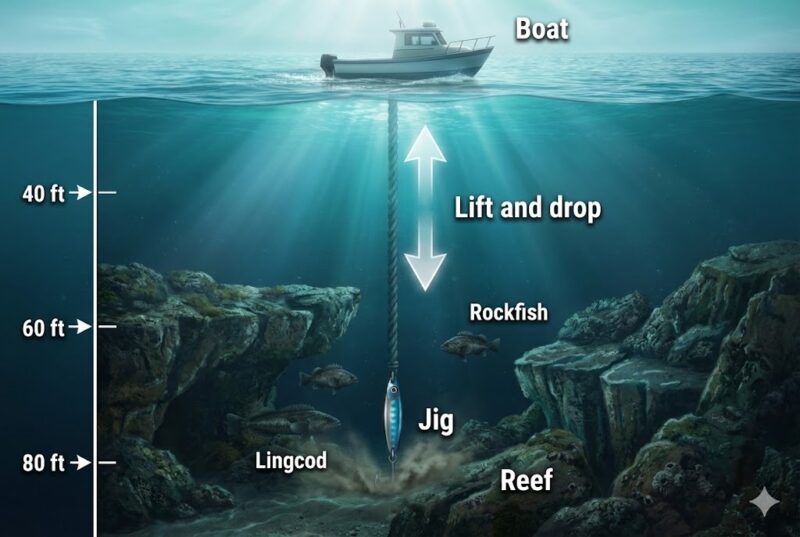
Jigging is lifting and dropping a weighted lure called a jig. You drop it to the fish, lift the rod so the jig jumps, then let it fall. That hop and flutter looks like an injured baitfish or crab that can’t quite get away, and predators react fast.
The same instinct fires whether the fish is a lingcod on a reef or a walleye in a river channel, which is why jigging works in both saltwater and freshwater. You’re not dragging a lure behind the boat. You’re working it in the strike zone, feeling bottom and reacting to every tap.
Oregon Coast Jigging On The Reefs
On the Oregon coast, jigging shines over rocky reefs and pinnacles. When people talk about Oregon coast jigging, they’re usually picturing a boat set over structure, heavy jigs dropped to the bottom, then a steady lift and drop. Most of the time, you’re only moving the rod tip a couple of feet, just enough to hop the jig off the rocks and let it tumble back down.
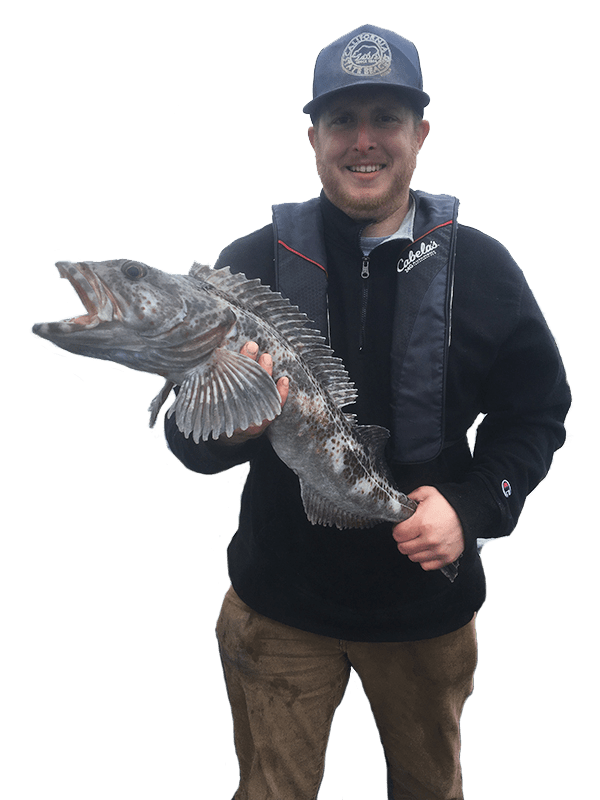
This is where jigging for lingcod and rockfish really comes alive. Lingcod live tight to the rocks in cracks and caves, and when a jig pops past their face, they rocket up and smash it. Rockfish stack a little higher off the bottom, but they react to the same wounded baitfish look.
Lingcod often like a bigger profile jig, maybe a bulky soft plastic tail, or a whole herring on a lead head. Rockfish are happy with smaller offerings, including simple metal slabs that flutter on the way down. The core move never changes. Hit bottom, lift, drop, repeat.
Jigging In Oregon’s Big Rivers
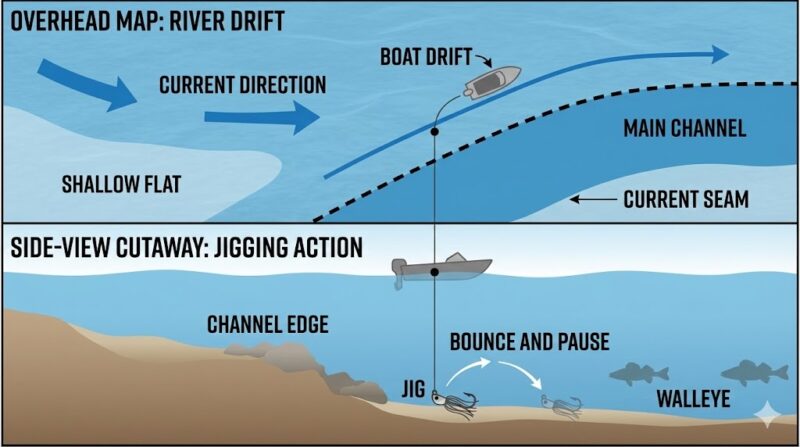
The same motion works inland. Columbia River jigging, and jigging on other big Oregon rivers, uses lighter gear and more attention to current, but the idea is identical. Instead of reefs, we work channels, deep holes, and current seams.
We drop jigs sized for the flow, then bounce bottom as the boat drifts or slides downstream. Walleye are a prime target, holding near the bottom in slower lanes and edges. A jig hopped along that edge looks like a stunned baitfish rolling in the current, and other predators will also eat a jig that comes through their lane. In heavy current, you need enough lead to stay down; in softer water, you can go lighter and use a more subtle lift, but the feel for bottom and the rhythm of lift and drop carry straight over from the ocean.
Tackle And Presentation That Travel With You
You don’t need a huge tackle collection to start jigging. For ocean trips, I usually hand guests a medium-heavy rod with a reel loaded with braided line. Braid has very little stretch, so you can feel the bottom and bites clearly, even in 100 feet of water.
Jigs are simple, too. On the coast, we lean on heavier lead heads with soft plastic tails or bait strips, plus metal jigs for deeper water. In the rivers, we use smaller lead heads with plastics or bait, sometimes jigging spoons. Across all these spots, the fundamentals don’t change. Keep a straight line to the jig, feel it hit bottom, then lift with a smooth, controlled motion. Follow it back down so you can feel a bite on the drop. Many fish eat as the jig falls, so any tick or sudden slack is your cue to set the hook.
What You’ll Do On A Guided Jigging Trip
On an Oregon coast jigging trip, I handle the boat, electronics, and safety. I line us up over structure, watch the depth, and call out when to drop and when to reel. On a river, I do the same with current and boat position, so your jig stays in the zone instead of dragging uselessly.
Your job is the fun part. I put a rod in your hands, show you how to drop to the bottom, and walk you through the first few lifts. We practice feeling that tap of the jig hitting bottom and the difference between a rock and a bite.
Jigging is approachable for beginners because the motions are simple and feedback is instant, and it still keeps experienced anglers engaged because there’s always more feel to develop. You can refine your timing, adjust your lift, and learn how different species tap or load up on the rod. When you look at the jigging techniques Oregon anglers use from reef to river, the pattern is clear. One foundation lets you chase new species in new places without starting from scratch every time.
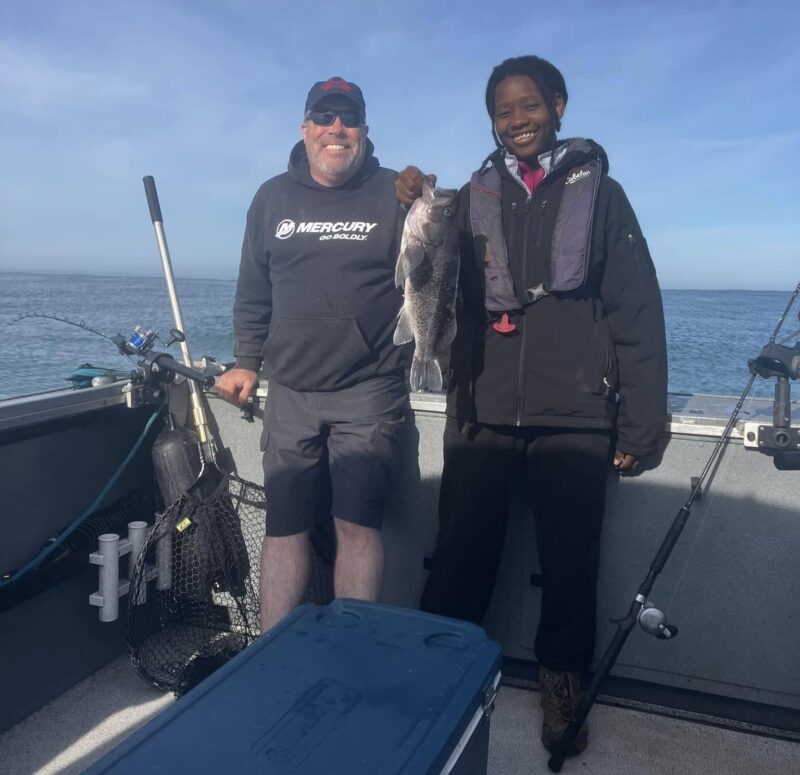
If you’re curious about jigging but don’t want to spend seasons figuring it out alone, book a guided jigging trip in Oregon. An experienced guide can handle the boat, choose the right gear, and coach your technique, so you shorten the learning curve and start catching fish with confidence from coastal reefs to big river channels.