How to Catch Salmon, Steelhead, and Sturgeon in One Trip
Landing a salmon, a steelhead, and a sturgeon in a single outing is the ultimate achievement for Pacific Northwest anglers. This feat is known as the Triple Crown. It utters a master’s level of prowess and knowledge of the river systems in this region. The direction of the pursuit is usually focused on the Columbia and Fraser River basins. These giant waterways are the main routes of migrating fish. For 2026, achieving this goal is a top priority for both the local residents and the tourists that are visiting this destination to experience the best of the Blue Economy. To be successful you will need to coordinate your efforts with overlapping migration periods and seasonal river conditions.
This type of fishing is no longer how you specialize on just one species. Modern anglers are now taking the holistic approach to the total river environment. They see the water as a living system with predictable movement patterns of various fish. While a multi species slam can be achieved at several different times of the year, the late summer and early autumn periods provide the best statistical chance for success. This period of time is commonly referred to as the Fall Overlap. It is the moment when Fall Chinook and Coho salmon meet Summer Steelhead in the same stretches of water. White Sturgeon are still active during these events because they are tracking the path of nutrients left by the salmon.
Planning Your Triple Crown Fishing Trip: How to Be Most Successful
The most significant component of planning a multi species trip is determining the correct migratory window. You have to find the particular weeks when all three species are in high numbers. The Fall Overlap is the most popular time for this as the biomass in the river is at its highest. During this window, the salmon are moving upriver to spawn, and the steelhead are aggressively feeding. Sturgeon take advantage of this by positioning themselves downstream from spawning gravel in order to consume stray eggs and carcasses. If you can access these specific intersection points you improve your chances of catching all three trophy fish in a day.
Hydrological variables also play an enormous role in your planning process. You have to watch water levels and water flow rates all the time. High water may make it difficult to keep your bait on the bottom for sturgeon, whereas low water may stall the salmon migration. Successful anglers use the river charts and weather patterns to study for days before they ever put a boat on the water. They search for steady conditions that will encourage fish to move and feed. In the Pacific Northwest a tiny alteration in the environment can result in a huge increase in fish activity.
Evaluating the 2026 Fish Run Forecasts and Regional Trends
The biological forecasts for 2026 indicate some very promising trends for anglers for the Columbia River Basin. Management agencies are looking for the upriver Spring Chinook run to reach approximately 147,300 fish. This is a notable improvement over the previous year and it is well above the ten year average. A stronger spring run gives an excellent early season opportunity for those who wish to begin their attempt of the Triple Crown before the heat of summer starts to set in. While record breaking sockeye returns of 2024 have begun to become more normal, there are still hundreds of thousands of fish on the move through the system.
Data provided by the Washington Department of Fish and Wildlife indicates that abundance density is the key to a successful multi species trip. Once fish are concentrated in the river corridors they are more competitive and more easily triggered with lures. The 2026 prediction for Fall Chinook is strong (above 650,000 fish). These large numbers mean that you will likely encounter salmon while you are searching for steelhead or sturgeon. Understanding these cycles in populations helps you to select the precise days when the river may be most alive with activity.
Mastering Salmon Lanes and Scents to Chinook
Salmon are creatures of habit and travel through certain lanes as they move upstream. These lanes are determined by the depth of the water and the rate of the current. To catch them, you will need to place your gear where they are swimming. Trolling with 360 flashers has become the norm in 2026. These devices produce a rhythmical vibration that the salmon can sense through their lateral lines. This vibration leads to an aggressive strike even if the fish is not actively looking for food.
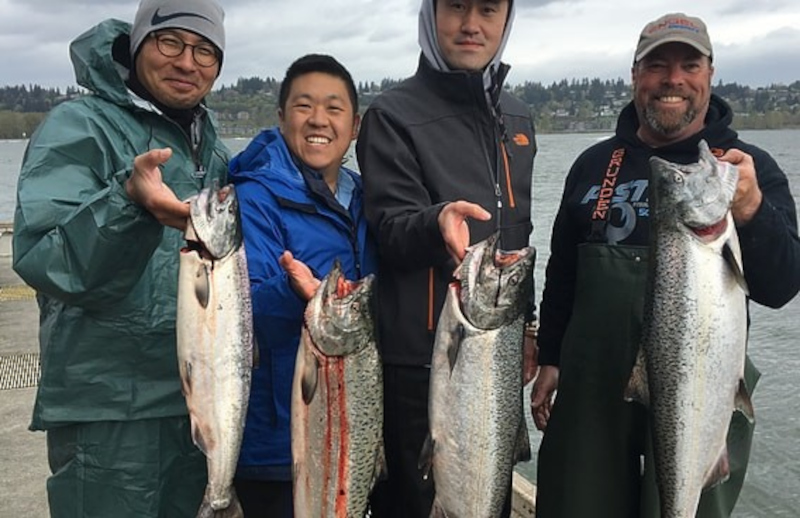
Scent is another vital ingredient in salmon fishing. These fish have an incredible sense of smell, and respond well to sweet or fatty smells. Many successful anglers use vanilla extract, oil of anise or sardine oil to coat their lures. You should direct your efforts during the early morning hours of the day when the bite is normally the strongest. Being on the water prior to sunup is often the difference between having a full cooler or an empty cooler. Once the sun begins to get high in the sky, salmon often move to deeper and cooler water where they are harder to access.
Adjusting Your Approach for Steelhead Metabolic Rates
Steelhead behave differently than salmon because their activity is closely tied to their metabolism. These fish have a metabolic sweet spot and that is when water temperature is close to 58 degrees Fahrenheit. If the water gets too cold or too warm, steelhead become lethargic and will ignore your offerings. You have to adjust your technique to the metabolic condition of the fish on that particular day. When the water is in the ideal range, steelhead are known as the warriors of the river because of their acrobatic fights and powerful runs.
Techniques such as bobber dogging and side drifting tend to be very effective when covering large portions of the river. These methods let you show eggs, beads or yarnies exactly at the level of the fish’s eyes. You must learn to recognize the subtle bite of a steelhead, which can sometimes feel like a small tap or a slight change in the weight of your line. Using high visibility colors like hot pink or chartreuse is best for winter fish, while summer steelhead often prefer more natural colors like black or olive.
Targeting Sturgeon Using Precision and Sanitary Scent Management
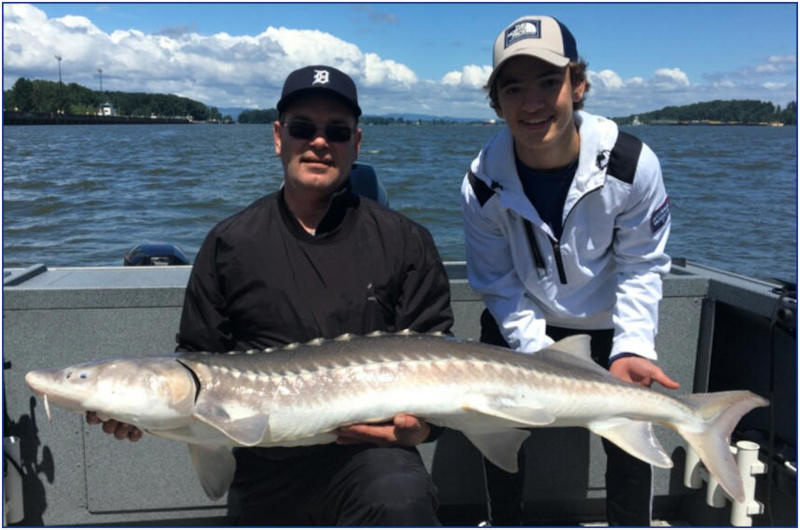
White Sturgeon are prehistoric giant fish that use their sense of smell almost exclusively to locate food in dark or murky water. This means that scent management is the most important thing when you are targeting them. You will need to use the freshest baits you can, such non cured salmon roe, smelt or shad. Sturgeon are highly sensitive to chemical odors and will reject any bait that has been preserved with any chemicals. It’s a common myth that sturgeon are blind bottom feeders but they are quite selective with what they eat.
You must also keep your gear very clean. Any human smell or old fish odors on your lures may be a repellent. Experts suggest washing your lures with soap and a brush before putting any new attractants on them. Sturgeon may be found at different depths during different seasons and at different water temperatures. In the winter, they usually wallow in deep holes to stay warm. As the water warms up in the spring and summer they move into shallower flats where they can find more food.
Understanding Contemporary Fishery Regulations and Electronic Catch Cards
The shift to electronic catch record cards in April 2026 is a big change for Pacific Northwest anglers. This new system allows you to report your salmon, steelhead, and sturgeon catch in real time using a smartphone. It gives state managers the information they need to keep fisheries open as long as possible. You always need to check the latest sport fishing regulations as in season closures can occur rapidly. A Triple Crown trip may be shortened if one of the species meets its harvest quota for the year.
Regulations also often require the use of barbless hooks for all three species. This rule is intended to make it easier to release wild fish without inflicting unnecessary harm on them. Protecting wild stocks is the share responsibility of the state and the angling community. By following these rules you help ensure that the river continues to be a productive habitat for generations to come. Always double check the specific rules for the stretch of river you are fishing because rules can differ between Oregon and Washington waters.
Evaluating the Costs and Benefits of Fishing Guide Services
The Triple Crown is a technically difficult pursuit that requires a massive amount of specialized equipment. For example, a rod and reel setup that can be used for landing a ten foot sturgeon can cost more than a thousand dollars. You also need different gear for the lighter techniques used for steelhead and salmon. Because of all these expenses, many people find that hiring a professional guide is the most efficient way to reach their goal. Guides armed with all the equipment necessary and having the local knowledge to locate fish in any conditions.
The economic impact of this industry is significant, with outdoor recreation spending in Washington reaching billions of dollars each year. Fishing for sturgeon is a particularly premium experience and daily expenditures are often triple those of a typical freshwater trip. This demonstrates the high value of these trophy fish to anglers. Working with a guide like those at Pastime Fishing Adventures ensures that you have the best possible chance of success while also learning the proper handling techniques for these sensitive species.
Promoting Conservation by Sustainable Mark Selective Fisheries
The Pacific Northwest has shifted to a model of sustainable bounty with a focus on protecting the wild fish. Mark selective fisheries, you can take hatchery raised fish and leave wild ones alone. This approach has been very successful, with research showing that over 96 percent of wild steelhead survive catch and release encounters. These survival rates are critical to the long term health of the species. Anglers are the major supporters of these conservation efforts through their license fees and volunteer work.
Management efforts have also been successful in reducing predation caused by sea lions at major dams. This has meant that more fish could reach their spawning grounds and the runs are now in better health. By visiting these fisheries, you are helping to rescue endangered species and preserve a unique regional heritage. But every fish you catch and release properly is an investment in the future of the sport.
The challenge of the Triple Crown awaits your on the rivers of the Pacific Northwest. If you are up for a challenge and willing to test your skills against the most iconic fish in the region, then there is no better time to start your journey than now. Contact Pastime Fishing Adventures today to book your guided trip and take the first step toward landing a salmon, steelhead, and sturgeon in a single unforgettable excursion.