What You Need to Know About Bottom Fishing in Oregon

What You Need to Know About Bottom Fishing in Oregon

What You Need to Know About Bottom Fishing in Oregon

Bottom fishing in Oregon is one of the most popular ways to fish the coast, and for good reason. It gives people a chance to target strong, good-eating fish like rockfish, lingcod, cabezon, and sometimes other bottom fish when seasons and conditions allow.

I’m Captain Don with Pastime Fishing Adventures. I’ve spent more than 23 years guiding Oregon fishing trips, and I’ve fished a lot of different water across the Oregon Coast, Newport, Depoe Bay, Lincoln City, Tillamook, Astoria, the Columbia River, the Willamette River, The Dalles, and Portland-area waters.

When I take guests bottom fishing, I’m not just looking for a spot on a map. I’m watching the ocean, the tides, the wind, the swell, the structure, and the current regulations. This guide will help you understand how bottom fishing works, what to expect, and how to prepare for a guided Oregon fishing charter.

fresh-lingcod-and-rockfish-catch-oregon-coast

What is bottom fishing in Oregon?

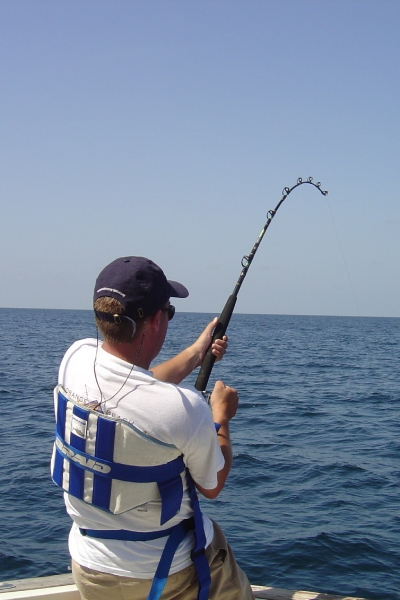
Bottom fishing in Oregon means fishing near rocky reefs, ledges, and ocean structure where bottom-dwelling fish live and feed. The goal is to get bait or lures down near the bottom where species like rockfish and lingcod are holding.

On the Oregon Coast, bottom fishing is often done from a boat because we can reach productive reefs and structure offshore. These areas can hold fish because they provide cover, current breaks, and food.

A good bottom fishing trip is not just about dropping a line straight down. I’m looking at the drift, depth, tide, wind, and how the boat is moving over the structure. Small changes can make a big difference.

Captain Don’s quick take

Bottom fishing is a great choice for many guests because it can be active, hands-on, and easier to understand than some other fisheries.

When I take people bottom fishing, I want them to know what we are doing and why we are doing it. I’ll explain the gear, where the fish are holding, and how to feel the bite. Some days the ocean gives us a short window. Some days we can move around and test different spots.

The key is to fish smart, stay safe, and adjust to what the water gives us.

What fish can you catch bottom fishing in Oregon?

The most common bottom fishing targets in Oregon include rockfish, lingcod, cabezon, and other bottom fish, depending on the area, season, and current rules.

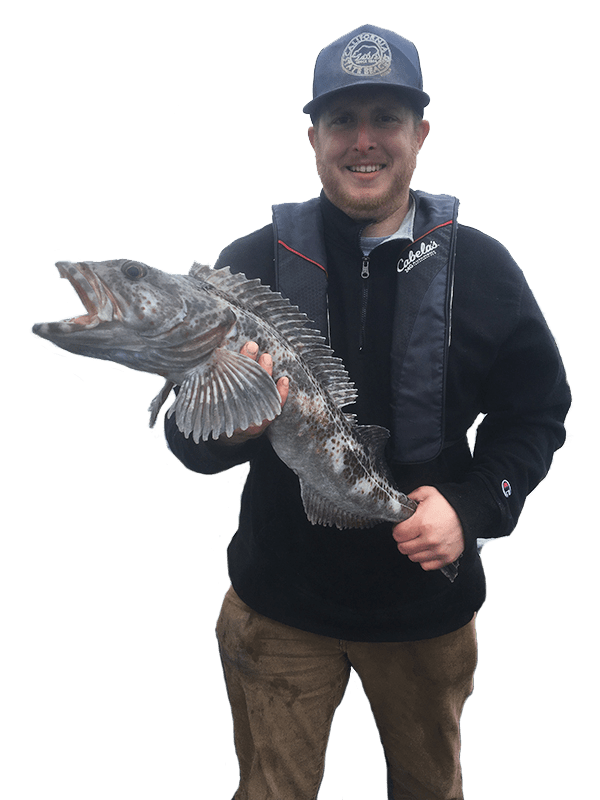
Rockfish are a common target because they live around reefs and rocky structure. Lingcod are another favorite because they hit hard and fight well. They are aggressive fish, and they are one of the species many guests get excited about.

Halibut are sometimes talked about with bottom fishing because they live near the bottom too, but halibut trips are usually planned differently. They can require different water, different timing, and longer runs depending on where the fish are.

Fishing seasons, limits, and retention rules can change, so I always tell guests to check current Oregon fishing regulations before the trip.

Where is the best bottom fishing in Oregon?

The best bottom fishing in Oregon is usually near rocky reefs, ledges, underwater structure, and areas where bait and current come together.

Out of the Oregon Coast ports, places like Newport and Depoe Bay are known for access to productive ocean fishing grounds. When I’m planning a trip, I’m looking for areas where the structure, depth, and ocean conditions line up.

I do not pick a spot just because it has produced before. Fish move. Conditions change. Current, swell, and wind can change how we fish a reef. A good guide has to pay attention and adjust.

What gear is used for Oregon bottom fishing?

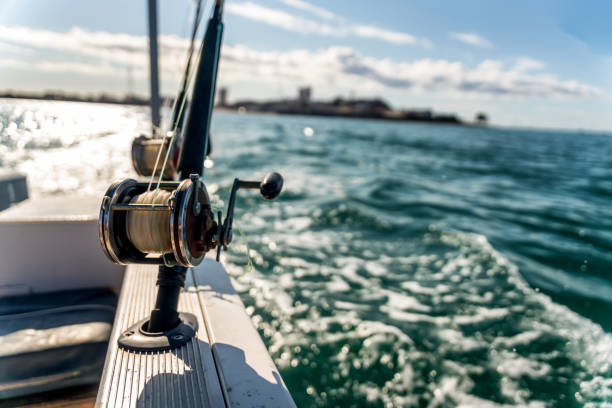
Oregon bottom fishing usually uses sturdy rods, strong reels, weighted rigs, jigs, bait, or lures that can reach the bottom and stay in the strike zone.

On my boat, I want the gear to match the conditions. If the current is strong, we may need more weight. If the drift is right, we may be able to fish lighter and feel the bite better.

Some days bait works well. Some days jigs or artificial lures get more attention. The goal is to keep the presentation near the fish without dragging gear in a way that causes constant snags.

I’ll help guests understand what they are using and how to fish it. You do not need to show up already knowing how to bottom fish.

How do tides affect bottom fishing in Oregon?

Tides affect bottom fishing because they change current, drift, bait movement, and how fish hold around structure.

A good tide can help fish feed. Too much current can make it hard to keep gear near the bottom. Too little movement can make the bite slower.

When I’m planning a bottom fishing trip, I’m watching the tide along with the wind and swell. The tide might look good on paper, but if the ocean is rough or the drift is wrong, we may need to adjust where and how we fish.

That is part of guiding. You have to read the water in real time.

Is bottom fishing good for beginners and families?

Yes, bottom fishing can be a good choice for beginners and families when the ocean conditions are safe and the trip is a good fit.

Bottom fishing is hands-on, and guests often like that. You can feel the bottom, feel the bites, and learn what is happening below the boat. It is also a good way for newer anglers to build confidence.

I still take safety seriously. Not every ocean day is right for every group. If I have kids, newer anglers, or people who are worried about rough water, I look closely at the forecast and the type of trip that makes sense.

What should you expect on a Pastime Fishing Adventures trip?

You should expect a safe, personal, hands-on guided fishing trip where I help you understand the plan, the gear, and the conditions.

Before and during the trip, I’m watching the weather, water, fish movement, and guest experience. If the ocean changes, we adjust. If one spot is not producing, we may move. If someone is new, I’ll slow down and explain what to do.

On my boat, I want you to feel prepared. You do not need to know every technique before you arrive. I’ll help you understand how to drop, how to keep contact with the bottom, how to feel a bite, and what to do when a fish is on.

What should you bring on your Oregon fishing charter?

You should bring layers, rain gear, snacks, drinks, sunscreen, a camera, and motion sickness preparation if you think you may need it.

The Oregon Coast can change fast. It can feel warm at the dock and cold on the ocean. Good layers make a big difference. Rain gear is smart even if the forecast looks decent.

You may also need a fishing license depending on the trip. I do not want guests guessing on rules, so confirm current license and regulation requirements before the trip.

Why book with Captain Don and Pastime Fishing Adventures?

You should book with Captain Don and Pastime Fishing Adventures if you want a guided Oregon fishing trip led by someone with real local experience.

I have more than 15 years of guiding experience, and I’ve spent my life fishing Oregon waters. I guide for salmon, sturgeon, walleye, lingcod, halibut, rockfish, steelhead, and other species depending on the season and conditions.

Some days the ocean gives us the best opportunity. Other days a river fishery may be the better call. My job is to help guests choose a trip that fits the season, the water, and their group.

Frequently Asked Questions

Do I need experience to go bottom fishing in Oregon?

No, you do not need experience to go bottom fishing with Pastime Fishing Adventures.

I take beginners, families, and experienced anglers. I’ll explain the gear, show you what to do, and help you feel comfortable on the boat.

What is the best time of year for bottom fishing in Oregon?

The best time of year depends on the species, regulations, and ocean conditions.

Bottom fishing can be productive during different parts of the year, but seasons and rules can change. Always confirm current Oregon fishing regulations before your trip.

What fish are most common on an Oregon bottom fishing charter?

Rockfish and lingcod are two of the most common targets on many Oregon bottom fishing trips.

Other species may be possible depending on the area, season, and rules.

Is bottom fishing the same as halibut fishing?

No, bottom fishing and halibut fishing are not always the same kind of trip.

Halibut live near the bottom, but halibut trips often require different planning, different water, and sometimes longer runs.

Can kids go bottom fishing?

Yes, kids can go bottom fishing when the trip and ocean conditions are a good fit.

I want families to feel safe, prepared, and comfortable before we leave the dock.

Will I catch fish on a bottom fishing charter?

No captain can guarantee a catch.

What I can do is plan the trip carefully, watch the conditions, use my experience, and give you the best shot at a good day on the water.

Ready to book your Oregon fishing trip?

If you are thinking about bottom fishing in Oregon, I’d be happy to help you plan the right trip.

Tell me when you want to fish, who is coming, and what kind of experience you are looking for. I’ll help you understand the season, the conditions, and what makes sense for your group.

When you book with Pastime Fishing Adventures, you are booking a hands-on guided trip with me, Captain Don.

Call today to plan your Oregon fishing charter.

How to Land Your First Sturgeon in Columbia River: Insider Tips from the Experts

How to Land Your First Sturgeon in Columbia River: Insider Tips from the Experts

How to Land Your First Sturgeon in Columbia River: Insider Tips from the Experts

Fishing for sturgeon in Columbia River is an experience unlike any other. These prehistoric fish, with their massive size and strength, offer a thrilling challenge for anglers seeking to test their skills. However, landing your first sturgeon can be a daunting task without proper guidance. That’s why we’ve gathered insider tips from the experts to help you navigate the waters and increase your chances of success.

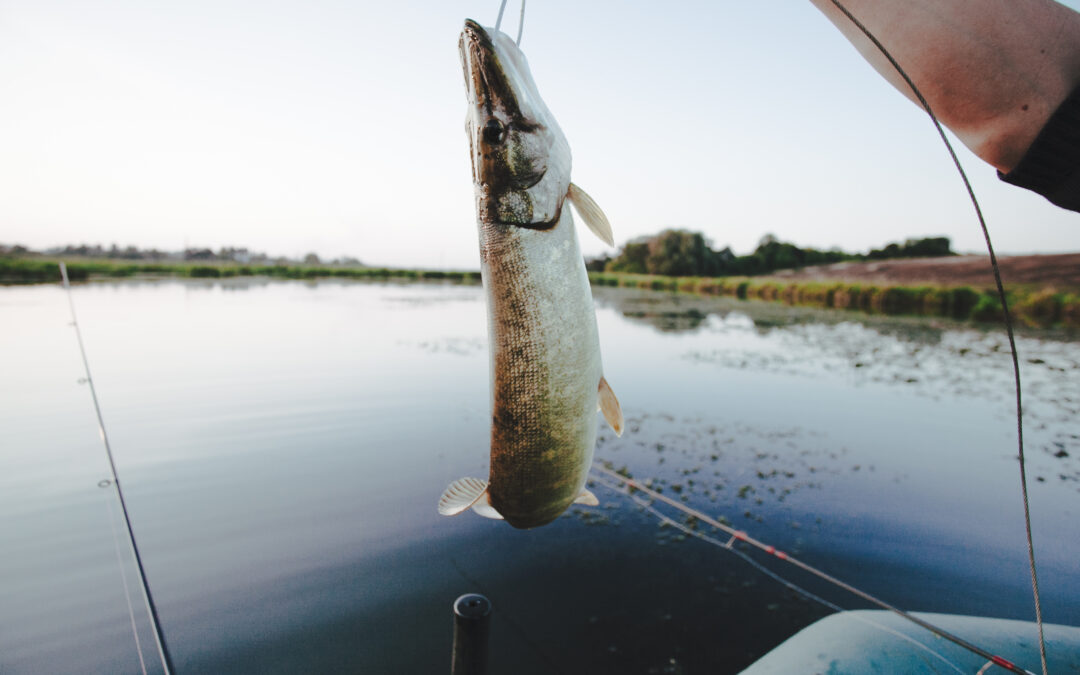
Close-up of a fish hanging in front of lake

Understanding the Sturgeon

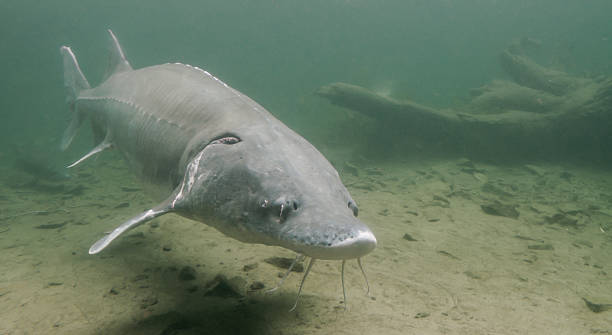
Before you embark on your sturgeon fishing expedition, it’s essential to familiarize yourself with the species. Sturgeon are ancient fish known for their elongated bodies, bony plates called scutes, and distinctive snouts. In the Columbia River, the most commonly targeted species are white sturgeon, which can grow to impressive sizes exceeding 10 feet in length and weighing hundreds of pounds.

Close-up of a fresh pike fish


Choose the Right Gear:

Selecting the appropriate gear is crucial when targeting sturgeon. A sturdy rod and reel combo capable of handling heavy weights and strong currents are essential. Many anglers opt for heavy-duty rods paired with high-capacity reels spooled with braided line for added strength and sensitivity.
Additionally, using stout hooks and durable leaders is essential for handling the brute force of a sturgeon’s strike and preventing break-offs during the fight. Be sure to check local regulations regarding hook size and barb restrictions to ensure compliance.


Locate Prime Fishing Spots:

Finding the right fishing spot is key to increasing your chances of hooking into a sturgeon. In the Columbia River, sturgeon are often found in deep holes, channels, and eddies where they can ambush passing prey and take refuge from swift currents.

Consulting with local guides, studying navigation charts, and utilizing fish-finding technology can help pinpoint productive areas. Keep in mind that sturgeon are migratory and may change locations throughout the year, so staying flexible and willing to explore new spots can pay dividends.

Closeup of freshly caught sturgeon fish on fish farm

Master Bait Selection:

Choosing the right bait is critical when targeting sturgeon. These opportunistic feeders have a varied diet that includes fish, crustaceans, and even mollusks. Popular bait options for fishing for sturgeon in Columbia River include fresh smelt, shad, squid, and even commercially prepared sturgeon baits.

Experimenting with different bait types, sizes, and presentations can help determine what the fish are actively feeding on. Be prepared to adjust your tactics based on water conditions, seasonal changes, and angler reports to maximize your chances of success.


Patience and Persistence:

Successfully landing your first sturgeon in Columbia River requires patience and persistence. Sturgeon fishing can be a waiting game, with long periods of inactivity punctuated by sudden bursts of action. It’s essential to remain vigilant and attentive to your rod tip for any signs of a sturgeon bite.

When a sturgeon takes the bait, allow it time to fully engulf the offering before setting the hook with a firm, upward motion. Once hooked, be prepared for a spirited battle as the sturgeon employs its formidable strength to resist capture. Exercise caution and avoid rushing the fight to prevent exhaustion or injury to the fish.

Sturgeon White Sturgeon sturgeon in Columbia River stock pictures, royalty-free photos & images

Respect Conservation Practices:

As stewards of the Columbia River’s sturgeon fishery, anglers must prioritize conservation practices to ensure the sustainability of this iconic species for future generations. Familiarize yourself with local regulations regarding catch limits, size restrictions, and season closures, and adhere to them diligently.
Handle sturgeon with care, minimizing stress and injury by using proper catch-and-release techniques. Avoid removing the fish from the water whenever possible, and use barbless hooks to facilitate safe hook removal. Document your catch with photographs if desired, but prioritize the fish’s welfare above all else.


Fine-tune Your Rigging:

Fine-tuning your rigging setup can make a significant difference in your ability to hook and land sturgeon effectively. Experiment with leader lengths, hook sizes, and weight configurations to achieve the optimal balance between sensitivity and stability. Consider using sliding sinker rigs or three-way swivels to minimize resistance and allow sturgeon to mouth the bait more naturally before committing to a strike. Be prepared to make adjustments on the water based on feedback from bites and changing conditions to stay ahead of the game.


Embrace Night Fishing:

While sturgeon can be caught at any time of day, nighttime fishing sessions can offer a unique set of advantages. Sturgeon are nocturnally active feeders, often prowling the river bottom under the cover of darkness in search of prey. Fishing at night can reduce angler pressure and competition while increasing your chances of encountering actively feeding fish. Invest in quality lighting equipment, such as powerful headlamps or boat-mounted floodlights, to illuminate your fishing area and monitor rod tips for subtle bites.

Dead fish on table

Master the Art of Drifting:

Drifting is a popular technique used by sturgeon anglers to cover a wide area and present baits to actively feeding fish. Mastering the art of drifting requires careful boat control and strategic positioning to maintain optimal bait presentation while drifting with the current. Use drift socks or sea anchors to slow your drift speed and maintain control in strong currents. Experiment with different drift paths and speeds until you find the optimal combination that triggers sturgeon strikes consistently.


Wrapping It Up

Fishing for sturgeon in Columbia River is an unforgettable experience that requires skill, patience, and dedication. By following the insider tips provided by seasoned anglers, you can increase your chances of landing your first sturgeon and create lasting memories on the water.

Remember to respect the fishery, prioritize conservation practices, and savor the thrill of the chase as you pursue these ancient giants. With perseverance and a bit of luck, you’ll soon find yourself celebrating a successful sturgeon catch and joining the ranks of seasoned anglers who call the Columbia River their home waters. If you’re planning to fish for sturgeon in Columbia River, then you may want to book a fishing charter for higher chances of landing one!

Give us a call today and we can discuss our chartered services.

Schedule your Oregon Fishing Charter Today!

Types of Fish to Catch On A Willamette River Fishing Charter

Types of Fish to Catch On A Willamette River Fishing Charter

While the Columbia River is often the most popular destination for fishing in Oregon, it’s not the only place to make great catches and see incredible views. If you want to fish somewhere smaller and more unique, then the Willamette River is an excellent destination for fishing without sacrificing the Columbia River’s species diversity.

If you’re planning a trip to the Willamette River in the near future, you might be curious about what you can catch there and how it differs from other rivers in the area. We’ve got you covered! This blog will talk about everything you need to know before fishing on the Willamette River – the fish to catch, how to find them, and tips and tricks to make your trip more convenient.


Fishing on the Willamette River

The Willamette River is one of the Columbia River’s major tributaries, and it accounts for around 15% of the latter’s flow. What does that mean for you as a fishing enthusiast? It means that you can typically find the same fish in the Willamette River that you can in the Columbia River, depending on the area of the river you’ll be visiting. 

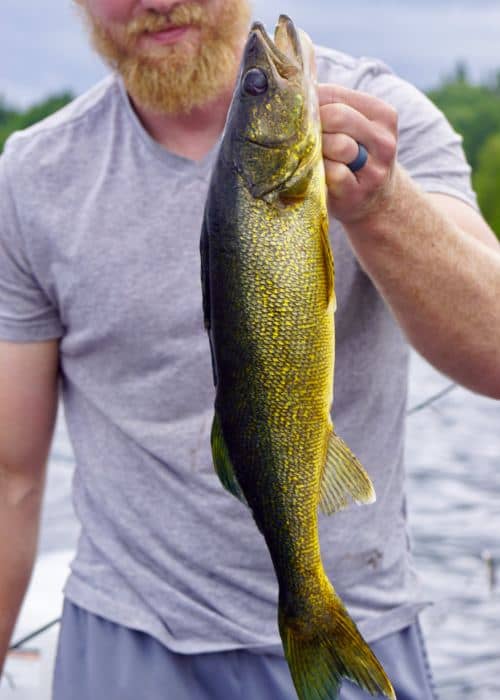
Salmon, sturgeon, walleye, bass, and many other species can be found in the Willamette River. What you’ll find on your fishing trip will generally depend on the season and the location, which we talk about more in greater detail in the next section.


What Fish to Catch on the Willamette River

Salmon

Who doesn’t love catching salmon? This is especially true in Oregon, where salmon is a must-catch for many visitors. Not only are they beautiful fish, but they taste incredible, too. 

On the Willamette River, you can catch a variety of salmon like Coho salmon and Chinook salmon. Between June and July, and in September, salmon are easier to find, though how many you can catch and which ones you can keep generally depend on the regulations of that year. Make sure you check with your hired fishing charter to find out when you can catch salmon.

Trout

Willamette River is home to thousands of rainbow trout, one of the river’s native species. They are grown in reservoirs, but they can also be found all along the river’s length. Beyond Rainbow trout, you can also find Steelhead trout and other species. 

When fishing for trout, check with local fishing charters to find the best time of the year to visit. They can also help you choose which area you should target to get the best chances of catching trout and what gear and bait to bring.

Largemouth and Smallmouth bass

Largemouth bass can grow to be around 25 inches and are generally considered an excellent catch for the area, mainly because they are easier to catch than other fish. You can find them in the waters throughout the year, though you’ll probably face more difficulty in the winter and spring seasons when the water is colder.

On the other hand, the Smallmouth bass is not that much different from its Largemouth cousins. While typically smaller at around 22 inches, the Smallmouth bass is still a fantastic catch for the river. Just make sure you bring the right kind of lures as they can be tricky to catch.

Why Hire a Fishing Charter

If this is your first time fishing on the Willamette River or if you plan to fish with your family or a large group, we generally recommend that you hire a fishing charter. Why? Fishing charters are a uniquely convenient way to make your fishing trip more straightforward and more manageable. Instead of having to rent a boat separately, finding all the right equipment, and doing all the research yourself, fishing charters take care of everything. It means that you can focus on fishing and having fun. Still, Willamette fishing charters also ensure that you won’t accidentally break any fishing regulations set up by the Oregon Department of Fish and Wildlife

Beyond the practical things you can hire with a fishing charter, you also gain access to another important tool: a fishing guide. Fishing guides are an essential component of any fishing trip, especially if you’re not familiar with the Willamette River’s inner workings. Even if you spent time researching on Google for weeks straight, that can’t compare to the amount of knowledge fishing guides have on the area. That can help you when you’re stuck on how to catch a specific fish.

Book a Willamette Fishing Charter!

Ready to have the best time fishing on the Willamette River? Book with Pastime Fishing Adventures today. We have a number of packages to fit any group and budget, and you can trust us to deliver only the best service.

To make sure slots don’t fill out before you can book one, check out our booking page to inquire into your preferred dates today! We look forward to meeting you.
fishing on the willamette river
willamette river fishing charter

Why Charter An Experienced Fishing Guide In Lincoln City, Oregon

Why Charter An Experienced Fishing Guide In Lincoln City, Oregon

Lincoln City is the home to the Devil’s Lake, the Coast Range, and the incredible views off the Oregon Coast. Not only is Lincoln City a popular tourist destination for its beauty, but it’s also a great place for fishing and whale watching. The waters off the Oregon Coast are full of different kinds of fish and there’s always something to catch throughout the year. 

So what’s the best way to go fishing in Lincoln City, Oregon? Whether you’re a beginner or an experienced fisher, you can always benefit from an experienced fishing guide. In this blog, we break down all the benefits of hiring an experienced fishing guide, as well as information on hiring fishing charters.


Fishing Charters In Lincoln City, Oregon

If this is your first time hearing about fishing charters, knowing what they are is essential. A fishing charter’s services can vary, but they are essentially the same in that they offer a stress-free and better fishing experience. That typically includes providing a fishing boat, all the necessary fishing equipment, and the all-important fishing guide.

Fishing charters in Oregon can help fishing enthusiasts learn the best places to fish in Lincoln City. For groups or couples, fishing charters take care of all the technical details so that you can fish, have fun, and bond as a group.

If you plan on fishing in Lincoln City, check out our detailed page for hiring a fishing charter here. Our professional fishing charter services are easy to hire, affordable, and super convenient.

The Benefits of Hiring a Fishing Guide

When you set out on a fishing trip, you might not consider that you need a fishing guide. For example, if you’re an experienced fishing hobbyist, you might feel that you know more than enough and will not need a guide. While that might be true, fishing in a new place like the Oregon Coast can be a completely different thing. Different climate, different fish, and a different landscape are all things that a fishing guide can help you with. Strict guidelines from the Oregon Department of Fish and Wildlife can also limit what you can do.


Catching Fish

There is a wide variety of fish in the waters off the Oregon Coast and in the rivers nearby. You can catch anything from salmon to largemouth bass. You can also go crabbing and watch whales from your boat.

A fishing guide will know what equipment and bait you will need for catching them. This is especially useful for people who are in Lincoln City to catch specific kinds of fish. For example, salmon is a popular fish to catch – so why not hire an expert who can help you catch one?

Finding the Best Spots

Different fish prefer different areas of the waters in Oregon. So if you were looking to catch a lingcod, for example, you would need to be fishing near quite rocky areas. But if you are a visitor to Lincoln City, knowing the best spots is impossible.

That’s where experienced fishing guides can come in and help you. A good fishing guide can help you find the best places for catching certain fish. They can do this while still leaving you in control of the boat so that it’s still your fishing trip.

Using the Right Equipment

Newbies to fishing might not realize it, but planning a fishing trip can take a lot of planning. Not only do you have to plan where to go, but what to bring is also as important. Luckily, fishing gear is pretty widely available. But if you do not know what you need, a fishing charter is incredibly beneficial. Fishing charters typically include equipment, bait, and lures into the package deal. Your guide can help you distinguish different pieces of equipment and advise you on the best things to use. Using the right equipment brings you halfway closer to the catch of the day!


Lincoln City, Oregon Attractions

Besides fishing, Lincoln City has a number of other incredible attractions that make it highly popular among tourists. From beautiful parks to beaches, there is something to do every day of the year. Want to experience a slice of the city’s natural beauty? Hike up Cascade Hill or visit the Devil’s Lake for a unique experience.

If you’re tired after a long day fishing, relax and unwind with some shopping at the Outlet Mall. The Chinook Winds Casino Resort also has a number of comedy shows and musical performances to keep you entertained in the evening. 

And if you’re hungry and want a bite, Lincoln City offers a wide variety of cuisines at different price points. Get some of the best and freshest seafood at the Barnacle Bills Seafood Market or experience authentic German food at Autobahn 101. 

The next time you’re in Lincoln City, don’t just limit yourself to fishing. The city has so much to offer to tourists of any size!

Best Places for Fishing Charters Near Portland, Oregon

Best Places for Fishing Charters Near Portland, Oregon

Oregon fishing charters are a fantastic way of getting some fishing done without the hassle of planning ahead. And if you’re fishing in Portland, Oregon, there are so many choices for fish and locations. Whether you’re interested in ocean fishing, lake fishing, or river fishing, there is a fishing charter for you. 

But where you want to fish in Portland will largely depend on the kind of fish you’re planning to catch. Salmon, halibut, lingcod, and other fish all spend their time in different areas. That’s why it’s important that you know where to go and what you can catch while you are there.

If you’re interested in fishing in Portland, these are the best places to check out:

Willamette River Fishing

The Willamette River is the largest tributary of the Columbia River, contributing 12% to 15% of its water. The Willamette River goes through a number of cities, including Portland, Wilsonville, and Eugene. If you’re interested in river fishing but are not sure where to start, the Willamette River is a great choice. This is because it is a well-established place for fishing and there are so many marinas to choose from.

There is a great deal of species diversity among fish in this river. That means that you will be able to catch a large number of fish on the Willamette, both native and non-native species. It all depends on the season and the area you fish in. You will also be able to see a number of incredible local birds that are the pride of the Willamette River. Fishing charters are available to hire from a number of marinas on the river. Fishing charters are an excellent choice for beginners and visitors who want to have some fun fishing for a day. 

Fish you can catch: Salmon, sturgeon, largemouth bass, smallmouth bass, walleye, sucker, carp, sculpin

Columbia River Fishing

As the largest river in the Pacific Northwest, you know you can expect some epic fishing to happen on this river. Luckily, there are a number of ways you can access the Columbia River from Portland and other nearby areas.

For example, the Chinook Landing Marine Park offers a boat launch right into the Columbia River. It also has parking, restrooms, and rest areas that comes with its entrance fee. The Rooster Rock Slough also has a boat ramp and picnic areas, perfect for a day-trip. Fishing charters are accessible all over the Columbia River. The Columbia River fishing charter you decide to hire should depend on what kind of fish you’re looking to catch as well as the equipment you will need.

As you might expect from such a large river, there is an incredible amount of species diversity in those waters. There are several species of anadromous fish that you can catch as they migrate from the Pacific Ocean like the sockeye and coho salmon. 

Fish you can catch: Chinook salmon, coho salmon, sockeye salmon, steelhead, white sturgeon, shad


Sandy River Fishing

The Sandy River is another tributary of the Columbia River where you can go fishing. It’s very near to Portland and is thus very accessible to both locals and visitors. The river system also splits into another few tributaries for smaller fishing. 

Because of its relationship with the Columbia River, you will notice that there are very similar species of fish in their waters. Most popularly, you can fish for chinook and coho salmon here. Fishing on the Sandy River is often slower than on the bigger rivers. That makes it perfect for small groups and families who want the experience more than the game fish.

To fish on the Sandy River, you have a few choices. Oxbow Park has a picnic area and a wide bank for fishing, but you cannot fish on a boat here. For fishing charters, you might have better chances at the Lewis and Clark Park State.

Fish you can catch: Chinook salmon, coho salmon, rainbow trout, steelhead, cutthroat trout

Why You Should Hire a Fishing Charter

If you’ve never hired a fishing charter before, you may be wondering what its advantages are. Fishing charters are the best way to go fishing without worrying about all the elements that go into fishing. This is especially true if you’re fishing with a group or if you are a beginner.

With fishing charters, you do not have to worry about hiring a fishing boat to use. You also do not have to buy new gear, use your own equipment, or buy bait. All of that will come with the fishing boat you hire with a fishing charter. You will also get a fishing guide all to yourself to help you navigate the waters. That immediately takes the stress out of your trip.

Not sure where to start? Pastime Fishing Adventures is a professional and reliable fishing charter service. With more than 5 locations, we can provide fun and memorable fishing trips for groups all over Oregon.

Great Whale Watching With Oregon Coast Fishing Charters

Great Whale Watching With Oregon Coast Fishing Charters


Great whale watching off the Oregon Coast is a year-long popular activity that draws thousands of visitors every year. It’s a great activity for families, groups, couples, or even solo travelers. These majestic animals make for a fabulous sight that will be a highlight of your trip. So how can you do it? You may be able to catch sight of the whales from any spot in the ocean, but hiring a fishing charter makes it much easier. 

If this is your first time going whale watching or hiring a fishing charter, this is everything you need to know. We provide information on whale watching seasons, where to go, and the easiest ways to do it.


Whale Watching On the Oregon Coast

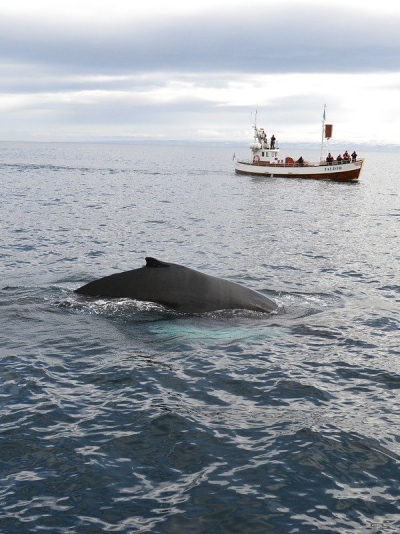
The Pacific waters off the Oregon Coast are famous for being a spotting ground for whales. Gray whales are the most common type of whale you’ll see, but the waters are home to approximately 80 different species. If you’re farther out on a boat, for example, you might catch sight of a humpback whale. And if you’re particularly lucky, you might even spot a blue whale – the biggest known animal on earth. 

What you see on your trip will largely depend on the time of the year that you visit. This is because whales have migration schedules that bring them to different parts of the ocean. 

But even if you miss out on these migration periods, you can still go whale watching. Oregon is extremely fortunate to have a number of “resident” whales as they are known to locals. These whales live almost permanently off the Oregon Coast and can be seen year-round. 

When’s the Best Time to Go?

To make sure you’ll be able to go whale watching, you should plan your trip with whale migration cycles in mind. 

There are two migration seasons for whales in Oregon. The first is in the spring, typically between March and June. This happens as gray whales travel north towards Alaska. They can be spotted off the Oregon Coast and make for spectacular watching.

Later in the winter, the second migration season starts for whales. From December to January, you’ll be able to see hordes of whales traveling southward towards warmer waters. This is the perfect time to see many whales at once, as they do the migration together. 

Between those seasons, you may be able to catch whales off the Oregon Coast shores. Our resident whales in our waters typically come closer to the shore during the summer and fall. 

This means that though there are peaks for whale watching, any time year-round is a good time to visit. The Whale Watching Center is a great place to learn more about whale watching in Oregon.


Advantages of Hiring a Fishing Charter

If you’re coming to Oregon to watch whales, we recommend that you hire a reputable Oregon fishing charter. While fishing charters are typically hired for fishing trips on the Columbia River or off the Oregon Coast, many also offer whale watching services. 

You will typically be able to see gray whales up close on a hired boat, but there are also other advantages. The first is that you will be able to watch whales in comfort. No need to crowd up on a beach trying to get a look. Instead, you’ll be on your hired boat with your family and friends enjoying the day together.

You will also have a hired local guide with you on your boat. You will have someone to help guide you through the day and choose the best spots for whale watching. Have any questions about whales? Your local guide can help you out.

Besides whales, you’ll also get to enjoy seeing local birds, wildlife, seals, or even sea lions! With boats, you can get closer to the wildlife than you are typically able to do. It’s a must-do activity if you’re in Oregon, so why not do it in comfort and in style? 

Other Oregon Attractions and Activities

Besides whale watching, there are so many other things to do while in Oregon. If you enjoy being out on the water, why not go on a dedicated fishing trip? There is an incredible variety of fish both off the Oregon Coast and on the Columbia River. You can hire a fishing charter for a specific location or go fishing for a particular fish like salmon or halibut. You can learn more about fishing in Oregon from the Oregon Department of Fish and Wildlife.

Besides fishing, you can also spend your day visiting museums and other attractions. The Oregon Coast Museum is a great place to visit for families and solo visitors alike. Besides that, you can get a taste of what’s in our Oregon waters by visiting local seafood restaurants.