The Top 3 Baits for Fall Salmon Fishing in Oregon

The Top 3 Baits for Fall Salmon Fishing in Oregon

The Top 3 Baits for Fall Salmon Fishing in Oregon

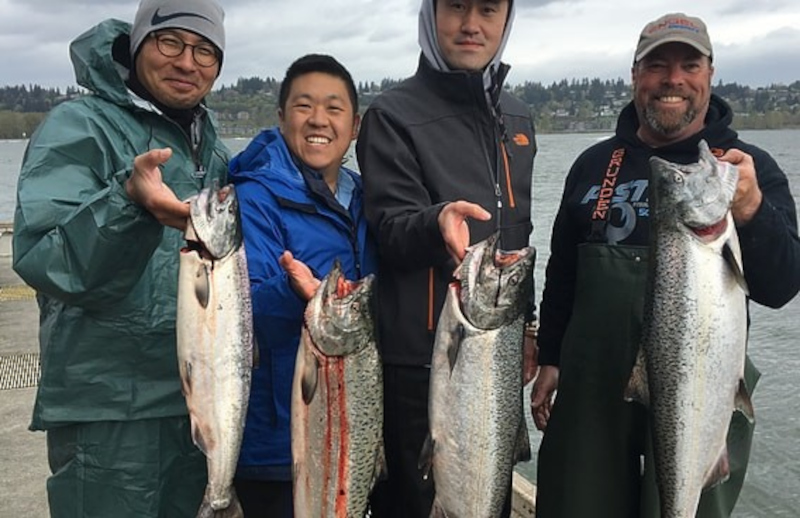
When fall arrives in Oregon, thousands of anglers converge on the Columbia River in pursuit of its legendary salmon runs. If you’re planning a trip this season, one question stands above all others: what should you use for salmon? The answer isn’t complicated, but it does take some insider know-how. Over decades of guiding, I’ve narrowed it down to three proven winners. These are the best baits for fall salmon Oregon rivers have to offer, and if you bring them in your tackle box, you’ll be ready for success.


1. Cured Salmon Roe

bait 1

There’s no denying it—nothing beats salmon eggs when it comes to triggering a bite. Fall Chinook and coho may not be actively feeding as they migrate, but the scent and texture of roe light up their instincts. It’s a natural food source, rich in oils, and familiar from their life in the ocean.

The simplest way to rig roe is with a cluster loop knot on a size 2–4 hook, paired with a drift rig or under a bobber. From a boat, drifting a bait of cured roe just above the bottom is deadly effective. The key is to let it tumble naturally in the current, imitating free-floating eggs. In deeper pools, suspending roe beneath a bobber keeps it visible and in the strike zone.

Pro tip? Don’t be afraid to sweeten your roe with a little extra kick. Many Columbia River guides add a hint of shrimp oil or even mix in sand shrimp pieces. That added scent cloud can be the difference between a curious salmon and a crushing strike.


2. Spinners and Spoons

Bait 2 

If roe appeals to a salmon’s nose, spinners and spoons go straight for the eyes and lateral line. Their flash, vibration, and erratic movement imitate wounded baitfish—something a fall salmon just can’t resist. They’re especially effective in clear water when visibility is high and you need to trigger an aggressive reaction.

Rigging spinners and spoons is straightforward. Tie one directly to your leader or use a snap swivel to make changing sizes and colors easy. From a boat, casting across a seam and letting the lure swing through the current is the classic approach. Another method is slow trolling along travel lanes where fish are holding.

Want the edge? Think about color and blade type. On the Columbia, UV finishes and chartreuse blades are favorites, especially under overcast skies. And don’t forget scent. A little smear of sardine oil or anise on your lure body can convince a following salmon to commit.


3. Plug-Cut Herring

bait 3

The third member of our salmon bait trifecta is the humble herring, carefully prepared with a plug-cut. This setup creates a tight, spiraling roll that mimics an injured baitfish. Add in the strong scent of a properly brined herring, and you’ve got a presentation that consistently draws strikes.

To rig it, cut the herring at an angle just behind the gill plate, insert a two-hook mooching rig (often size 4/0 or 5/0 hooks), and make sure the hooks sit snug. From a boat, plug-cut herring shines when trolled behind a flasher or diver at the correct speed to maintain that natural roll. Keep an eye on your herring after a strike—once it’s beaten up, swap it for a fresh one.

Here’s a little guide secret: after brining your herring, poke a tiny pinhole in the belly cavity before fishing. This vents extra fluids slowly as you troll, creating a stronger scent trail that salmon can follow upstream right to your bait.


Why These Three Work


These three baits—cured salmon roe, spinners and spoons, and plug-cut herring—cover all the bases. Roe appeals to scent, spinners excite aggression, and herring delivers both sight and smell in one irresistible package. Together, they give you flexibility to match conditions. If the river is colored up after rain, roe and herring get the job done. On brighter days with clearer water, spinners can save the trip.

When anglers ask me what to use for salmon, my answer always comes back to these three. They’re not just popular because everyone uses them. They’re popular because they consistently put fish in the boat on the Columbia River, season after season.


Putting It All Together


Of course, knowing the best baits for fall salmon Oregon anglers rely on is only part of the puzzle. Presentation matters just as much. Salmon can be moody, shifting from aggressive to lethargic depending on water temperature, flow, and even barometric pressure. Sometimes they want roe drifted naturally, sometimes a fast spinner swing, and other times a perfectly rolling herring trolled in the right lane. Reading those conditions and making the right call is where real experience comes in.

That’s why countless anglers trust a guide when planning their Columbia River adventure. A professional brings not only the right baits but also the confidence to adjust on the fly. After all, a bait is only as good as the way it’s presented.

So as you gear up for your fall trip, pack these three proven options and be ready for action. But if you really want to maximize your odds, don’t leave it to chance. Book a trip with an experienced guide and put these baits to work under expert direction. The fish are out there—let’s go catch them.

Hooking a Prehistoric Giant: Your Ultimate Columbia River Sturgeon Fishing Guide

Hooking a Prehistoric Giant: Your Ultimate Columbia River Sturgeon Fishing Guide

Hooking a Prehistoric Giant: Your Ultimate Columbia River Sturgeon Fishing Guide

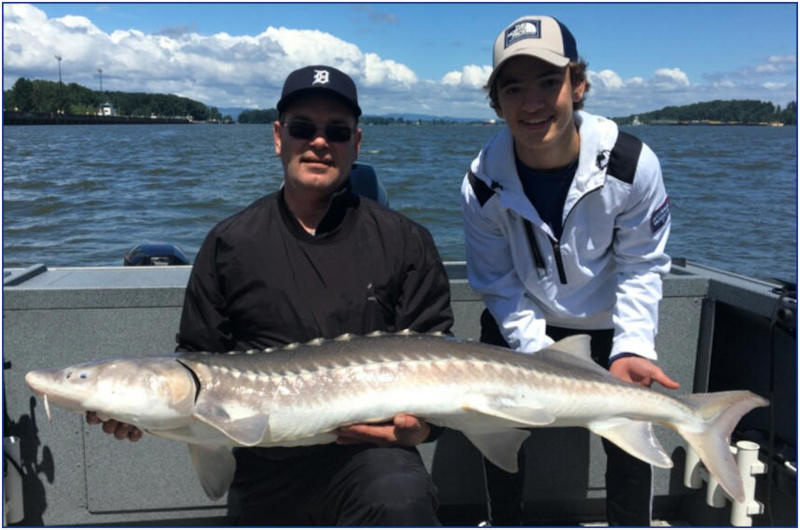
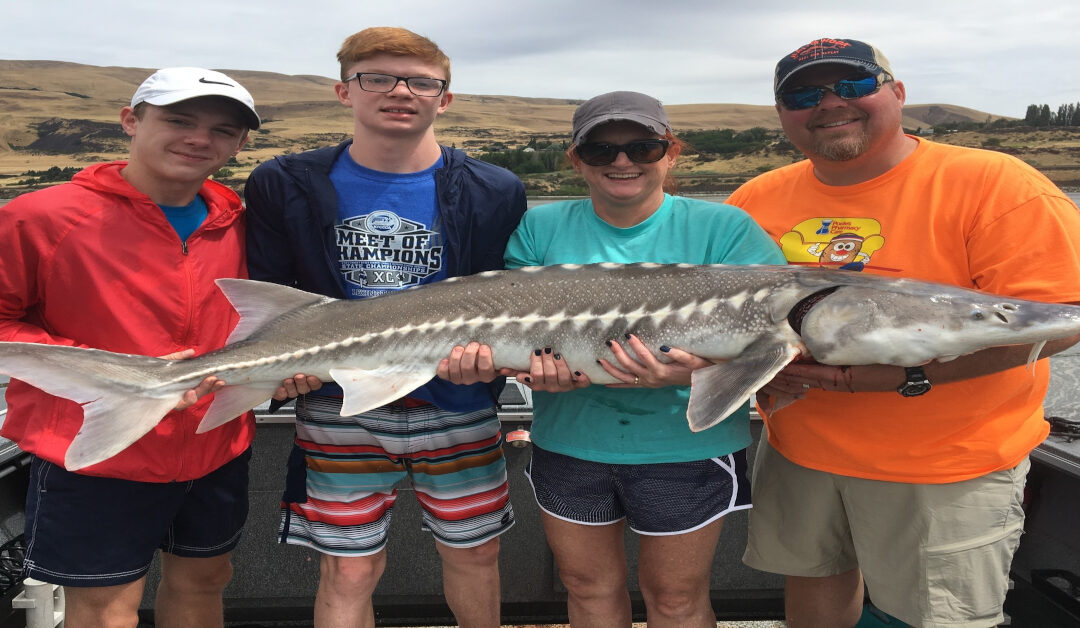
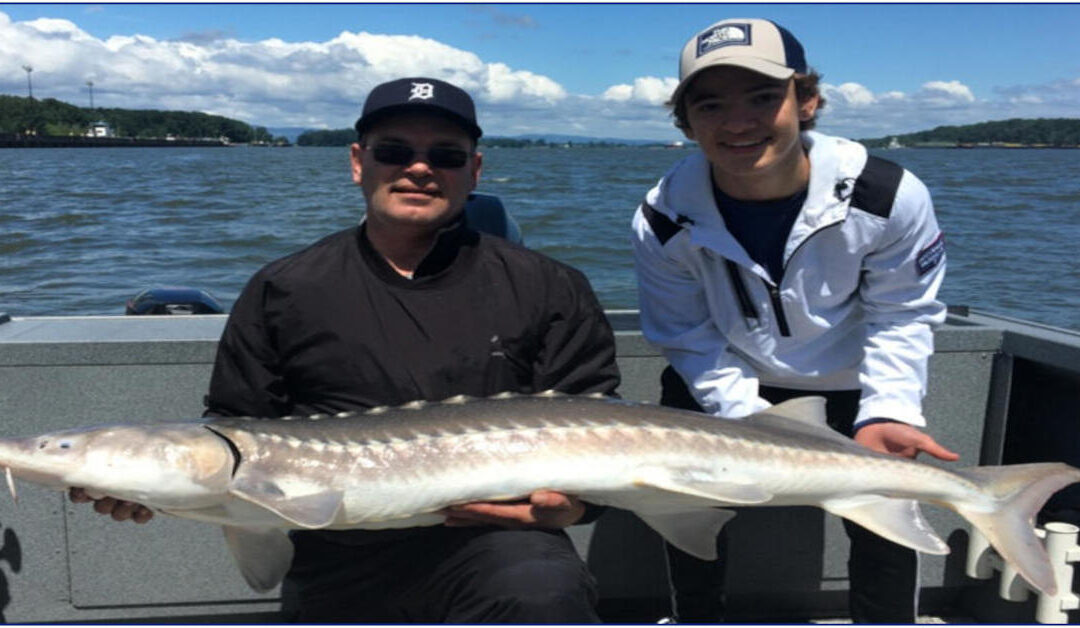
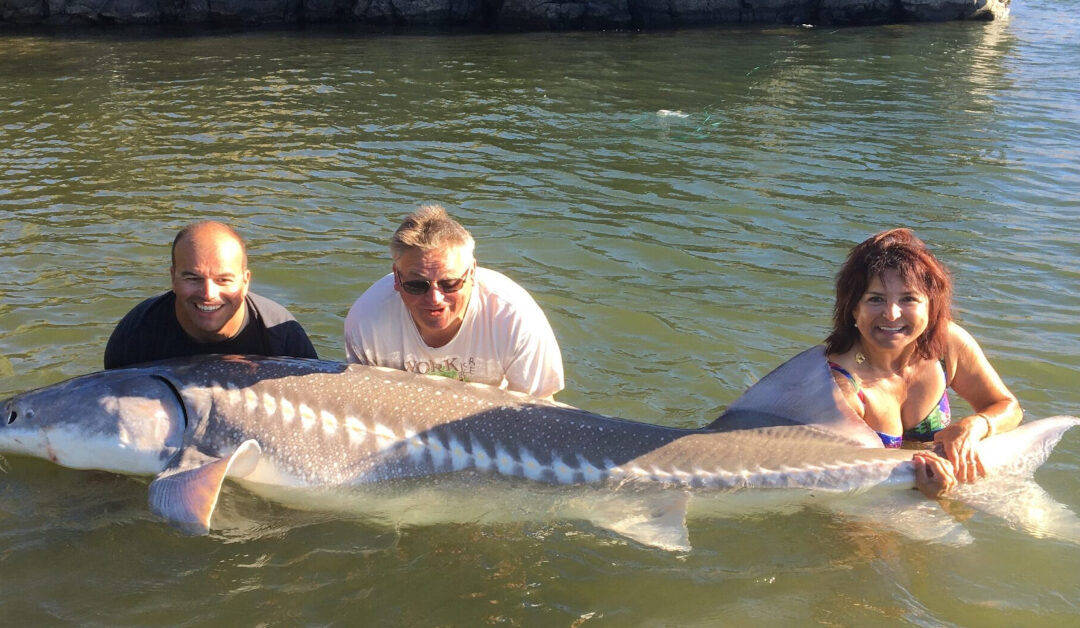
Hidden deep within the rushing waters of the Columbia River swims a relic of another world. The White Sturgeon—often called a living dinosaur—has patrolled these waters for millions of years. As the largest freshwater fish in North America, landing one connects you directly to ancient history. I’ve spent decades studying these extraordinary fish as a biologist and Oregon sturgeon guide, and I can tell you with certainty: the rush of battling one of these river giants is unforgettable.

If a Columbia River sturgeon adventure has been on your bucket list, the first step is learning how this unique fishery works. It’s a world built on raw strength, heavy-duty equipment, and respect for a protected species. What follows is your full guide to preparing for the experience of a lifetime.

Sturgeon 3 


The Aquatic Living Fossil

Why are White Sturgeon so captivating? Beyond their sheer size—sometimes over 12 feet long and more than 500 pounds—it’s their ancient heritage. These fish are primitive, cartilaginous, and more closely related to sharks than most bony fish, having changed little for millennia.

  • Prehistoric Armor: Instead of scales, they wear rows of scutes—hardened bony plates—that make them look armored and formidable.
  • Unique Anatomy: Four whisker-like barbels hang near their vacuum-like mouth, guiding them to food on the riverbed.
  • Century-Long Lives: Growing slowly, sturgeon often live over 100 years, meaning the fish you release today might still be swimming when your grandchildren are grown.


Two Journeys, One River: Keeper vs. Trophy

Booking a sturgeon charter offers two very different types of fishing. Both are thrilling, but they serve separate purposes.

  • Keeper Seasons (Harvest): These tightly managed seasons allow anglers to retain one sturgeon per day (two per year) within a strict size “slot limit,” typically 43–54 inches fork length. Often held above Bonneville Dam in winter or occasionally in the estuary, these brief seasons can be crowded and close suddenly once quotas are filled.
  • Catch-and-Release Trophy Fishing (C&R): This is the heart of Columbia River sturgeon fishing. Open year-round in most waters, the goal isn’t to fill your freezer but to take on true giants—fish that can reach 8 or even 10 feet long. This is where the adrenaline kicks in as you wrestle with a prehistoric powerhouse.

Sturgeon 4

Prime Time: When and Where

Sturgeon follow food migrations, so knowing the right time and place makes all the difference.

  • Trophy Season (May–August): Summer is peak time for giants. Below Bonneville Dam, sturgeon gorge on migrating shad, creating world-class fishing. Farther downstream, the Astoria estuary near Buoy 10 becomes a hotbed for massive fish feeding on the lower river’s rich food supply.
  • Keeper Seasons (Variable): Announced each fall for the coming year, these are usually most reliable above Bonneville Dam beginning January 1st. They are short and require close attention to updates from ODFW and WDFW.


Preparing for a Giant

Think of it this way—you wouldn’t bring a knife to a gunfight, and you shouldn’t bring a trout rod to a sturgeon battle. The gear must be tough enough to handle the sheer force of these fish.

  • Rod: Heavy-action, 7–9 feet long, with a soft tip for detecting subtle bites and a strong backbone for hauling a giant off the bottom.
  • Reel: A large-capacity baitcasting or conventional reel with a powerful drag, capable of holding several hundred yards of heavy line.
  • Line: Braided, 65–100 lb test, giving you the strength and sensitivity needed for solid hooksets and long fights.
  • Terminal Tackle: A slider rig is standard. This lets the mainline slip through the weight, so the sturgeon doesn’t immediately sense the heavy lead (8–24 ounces depending on current). It’s finished with a strong swivel, a 4–5 foot leader, and a barbless 7/0–12/0 hook, per regulations.


The Sturgeon Buffet

Sturgeon are bottom-feeding opportunists. Success depends on using oily, fresh bait that releases a strong scent trail. Anglers commonly use smelt, shad, anchovies, herring, and squid. On guided trips, bait is always fresh and carefully chosen for the season and location.


The Fight and the Release

Hooking a trophy sturgeon is nothing short of chaos. The bite often starts subtly, a faint tick-tick on the rod tip—but once you set the hook, brace yourself. The fish may sprint away in a blistering run or anchor itself deep against the current. Then comes the showstopper: these giants sometimes leap entirely out of the water in spectacular aerial displays.

But landing them is only half the battle. As anglers, we’re responsible stewards of this remarkable species. Handling them properly isn’t optional—it’s essential.

  • Keep Them Wet: Oversized sturgeon must remain in the water. Their skeletons can’t support their mass on land, and lifting them risks fatal injury.
  • Photo Guidelines: For a quick snapshot, lean over the boat and cradle the fish, supporting its head and fins. Never hold them vertically by tail or head.
  • Swift Release: Use strong gear to reduce fight times. Once the barbless hook is removed, hold the fish facing into the current until it revives and swims away on its own.

Sturgeon 2 

Your Adventure Awaits

Fishing for Columbia River sturgeon is far more than a casual trip; it’s a rare encounter with living history. With complex regulations, heavy-duty equipment, and the skill needed to target these giants safely, hiring an experienced Oregon sturgeon guide is the best way to go. A seasoned guide provides not just the boat, bait, and gear but also an intimate knowledge of the river’s secrets, moods, and seasons.

So, are you ready to face a living dinosaur? Book your trip, embrace the fight, and come home with a story you’ll share for a lifetime.

A Beginner’s Guide to Bobber Doggin’: Oregon’s Deadliest Steelhead Tactic

A Beginner’s Guide to Bobber Doggin’: Oregon’s Deadliest Steelhead Tactic

A Beginner's Guide to Bobber Doggin': Oregon's Deadliest Steelhead Tactic

There’s a moment every steelhead angler dreams of: the water is cold, the air is crisp, and suddenly, your line goes tight with the unmistakable weight of a chrome-bright fish. In the world of Oregon steelhead fishing tips, there’s one method that consistently turns that dream into a reality, even for newcomers: bobber doggin’. It might sound a little strange, but this technique is, without a doubt, one of the most effective ways to connect with the elusive “ghost of the river.”

If you’re new to the method, you’ve come to the right place. We’re about to break down everything you need to know, from the core concept to the exact gear and on-the-water execution. Get ready to transform your steelhead game.

What is Bobber Doggin’ and Why Does it Work?

At its heart, bobber doggin’ is a hybrid technique that combines the best of drift fishing and float fishing. Imagine you’re walking a dog on a long leash. You lead, and the dog follows, occasionally sniffing the ground. In bobber doggin’, your float (the bobber) is you, and your bait is the dog.

The goal is to have your weight “tick” along the river bottom while the float, set much deeper than the actual water depth, “walks” your presentation downstream at the perfect speed—the speed of the current near the riverbed. This creates the most natural drift possible, presenting your bead, jig, or worm directly in the steelhead’s strike zone. Unlike traditional float fishing, where the bait is suspended, bobber doggin’ is a bottom-contact technique. This is one of those steelhead fishing techniques that is incredibly effective because steelhead hold tight to the bottom, and this method puts your offering right in their face, for longer.

The Complete Gear Setup for Success


Having the right gear is crucial. While you can get by with a standard salmon rod, a specialized setup will make learning easier and fishing more effective.

Rod
The ideal bobber doggin’ rod is long. Think 10′ to 11’6″ in length with a medium power and a moderate-fast action. The length helps you mend and control your line on long drifts, while the softer action allows steelhead to grab the bait without feeling instant resistance.

Reel
Both spinning and casting reels work, but a casting (baitcasting) reel is often preferred. It allows for smoother line release during the drift, which is critical for a natural presentation. Spool it up and get ready to fish.

Main Line
A high-visibility braided line of 30- to 50-pound test is the standard. The bright color helps you track your line on the water’s surface, and the braid’s lack of stretch ensures a solid hookset, even at a distance.

Float/Bobber
This isn’t your grandpa’s red-and-white bobber. You’ll need a specific bobber doggin‘” or “slip” float. These are designed to lie on their side during the drift, only standing up or pulling under when you have a bite. They are rigged to slide freely on your main line between two bobber stops.

Weight Setup
The weight is what gets your gear down. A common setup involves a three-way swivel. Your main line ties to one eye, your leader to another, and a 4-6 inch “dropper” line with a lead weight is tied to the third. This ensures your weight sits at the bottom, while your bait drifts just above it. Use just enough weight to feel the bottom consistently.

Leader
A fluorocarbon leader is essential for its low visibility in the water. Start with a length of about 3 to 5 feet in a 10- to 15-pound test, depending on water clarity.

Lure/Bait This is where the fun begins! The most common offerings are fishing beads (imitating single salmon eggs), yarnies, small pink worms, or jigs tipped with bait. The key is to match your offering to the water conditions and what the fish are keying in on.

The Technique: Step-by-Step

Steelhead 1A

Now, let’s get on the water. Here’s how to catch steelhead using the bobber doggin’ method:

  1. The Cast: Cast your rig upstream and across the current at about a 45-degree angle. You want it to land far enough out to give your gear time to sink and find the bottom before it reaches the target zone.
  2. Achieving the Perfect Drift: This is the most important part. As your float moves downstream, keep your rod tip high and let the line out smoothly. Your goal is to keep the float moving at the same speed as the current without any drag. You should feel your weight periodically “ticking” or tapping the rocks on the bottom. If you’re not feeling the bottom, you need more weight. If you’re constantly snagging, you have too much.
  3. Identifying the Bite: A steelhead bite on a bobber doggin’ setup is unmistakable and incredibly exciting. Your float, which has been lying on its side and drifting along, will do one of two things: it will either get violently jerked straight down under the water, or it will stop completely and stand straight up. Both mean one thing: FISH ON!
  4. Setting the Hook: Don’t trout set! When the bobber goes down, point your rod tip toward the fish to reel up any slack, then sweep the rod back firmly and smoothly in a long, powerful motion. This drives the hook home.

Reading the Water: Where to Fish

Stealhead 2 

Bobber doggin’ for steelhead shines in classic steelhead water. Look for walking-speed currents that are 4 to 10 feet deep. Prime locations include:

Seams
Where fast and slow currents meet. Steelheads love to hold in the slower water and ambush food drifting by in the faster lane.

Tailouts
The downstream end of a deep pool where the water shallows up. These are classic holding spots.

Current Breaks
Any structure that breaks the current, like large boulders or submerged logs, creates a soft pocket where fish can rest. Drift your gear right alongside these breaks.

Bobber doggin’ is more than just a technique; it’s an active, engaging, and incredibly rewarding way to pursue one of the world’s greatest gamefish. It takes a little practice, but once you feel that first takedown, you’ll be hooked for life.

Ready to master the technique on the water? The fastest way to shorten the learning curve is with an expert guide. Book a guided steelhead trip with us today, and we’ll put you on the fish and provide hands-on instruction to make you a bobber doggin’ pro!

How to Catch Trophy Salmon in Depoe Bay Successfully

How to Catch Trophy Salmon in Depoe Bay Successfully

How to Catch Trophy Salmon in Depoe Bay Successfully

Depoe Bay, nestled along the rugged Oregon coast, is renowned for its abundant salmon population, drawing anglers from far and wide in pursuit of trophy-sized fish. From Chinook to Coho, these majestic salmon species roam the waters off Depoe Bay, offering exciting opportunities for anglers to test their skills and land the catch of a lifetime. In this guide, we’ll uncover the secrets how to catch salmon in Depoe Bay, including the best techniques, gear, and strategies to hook into trophy salmon and make the most of your fishing adventure in this scenic coastal paradise.


Understanding Depoe Bay’s Salmon Run

The Salmon | Depoe Bay Oregon

Depoe Bay serves as a prime feeding and spawning ground for various salmon species, thanks to its nutrient-rich waters and favorable ocean currents. The annual salmon run typically peaks from late spring through early fall, with Chinook and Coho salmon migrating along the Oregon coast en route to their spawning grounds in nearby rivers and streams. During this time, Depoe Bay becomes a hotspot for salmon fishing, as anglers target these prized fish as they enter and exit the bay in search of food and shelter.


Best Times and Locations to Catch Salmon in Depoe Bay

Timing is key when it comes to catching salmon in Depoe Bay, as the presence and behavior of salmon can vary depending on the season, tides, and weather conditions. While salmon can be caught year-round in Depoe Bay, peak fishing season typically occurs from May to September, with the highest concentrations of fish present during the summer months. Anglers often target salmon near the mouth of the bay, where they congregate to feed on baitfish and krill carried in by ocean currents. Additionally, salmon can be found near rocky outcroppings, kelp beds, and underwater structure, where they seek refuge and ambush prey.


Effective Techniques and Strategies

Catch the Big One with these Fishing Charters in Depoe Bay

Several effective techniques can be employed to target trophy salmon in Depoe Bay, depending on factors such as water depth, current speed, and the behavior of the fish. Trolling with downriggers and diving plugs is a popular method for covering large areas of water and presenting baits at various depths. Anglers often use herring, anchovies, or artificial lures in vibrant colors to entice salmon strikes. Drifting with bait or casting and retrieving spoons and spinners can also be effective, especially in shallower waters or when targeting actively feeding fish near the surface. Experimenting with different techniques and adjusting your approach based on conditions can increase your chances of success when fishing for trophy salmon in Depoe Bay.


Essential Gear and Equipment

Spinning For Salmon - Tackle Guide - Angling Active Magazine

When targeting trophy salmon in Depoe Bay, it’s essential to use the right gear and equipment to handle these powerful fish effectively. Medium to heavy-action fishing rods paired with high-capacity reels are recommended for salmon fishing, as they provide the strength and control needed to battle large fish in open water. Braided fishing line offers increased sensitivity and strength compared to monofilament line, allowing anglers to detect subtle strikes and withstand the strong runs and headshakes of salmon. Terminal tackle such as swivels, leaders, and hooks should be chosen based on the fishing technique and water conditions, ensuring optimal presentation and hook-setting ability.


Depth and Temperature Monitoring

Pay close attention to water depth and temperature when targeting trophy salmon in Depoe Bay. Salmon are often found at specific depths and temperature ranges depending on the time of day and prevailing conditions. Invest in a fish finder with temperature and depth capabilities to locate thermoclines and pinpoint areas where salmon are likely to be holding. Adjust your trolling or drifting depth accordingly to present your baits or lures at the optimal depth for enticing strikes from trophy salmon.


Weather Patterns and Ocean Conditions

Weather patterns and ocean conditions play a significant role in salmon behavior and feeding activity in Depoe Bay. Monitor weather forecasts and ocean reports before your fishing trip to identify favorable conditions such as overcast skies, light winds, and incoming tide cycles. These conditions can stimulate salmon activity and increase the likelihood of successful fishing. Additionally, be prepared to adapt your fishing strategy based on changing weather patterns and ocean conditions throughout the day, maximizing your chances of hooking into trophy salmon.


Bait Presentation and Scent Enhancement

Fine-tuning your bait presentation and enhancing its appeal with natural scents can make a difference in enticing trophy salmon to strike. Consider brining your bait, such as herring or anchovies, in a mixture of salt and natural oils to enhance its scent and flavor. Experiment with different bait rigs, including brined whole baits, cut-plug baits, or hoochie rigs, to determine which presentation is most effective on any given day. Adding attractor scents or gel-based attractants to your lures or bait rigs can also help stimulate aggressive strikes from trophy salmon in Depoe Bay.


Local Knowledge and Guide Services

A Fishing Enthusiast's Guide to Newport | Hallmark Oceanfront Resorts

Tap into the expertise of local guides and fishing charters to gain valuable insights and insider knowledge about salmon fishing in Depoe Bay. Local guides possess intimate knowledge of the area’s fishing hotspots, productive techniques, and seasonal trends, allowing them to put you in the best position for success. Consider booking a guided fishing trip or hiring a charter service to access prime fishing locations, receive personalized instruction, and increase your chances of hooking into trophy salmon. Guides can also provide valuable information on conservation practices, local regulations, and safety precautions to ensure a memorable and responsible fishing experience in Depoe Bay.


Conclusion: Catch Salmon in Depoe Bay!

How to Spend the Perfect Weekend in Depoe Bay - Channel House

Catching trophy salmon in Depoe Bay is a rewarding pursuit that offers anglers the opportunity to connect with nature and experience the thrill of landing a prized fish in a breathtaking coastal setting. By understanding the behavior of salmon, employing effective techniques and strategies, using the right gear and equipment, and prioritizing safety and conservation, anglers can increase their chances of success and make the most of their salmon fishing adventure in Depoe Bay. Whether casting from shore or trolling offshore, the waters of Depoe Bay hold the promise of unforgettable fishing experiences and memories that will last a lifetime.

Give us a call today if you’re interested in booking a fishing charter!

Schedule your Oregon Fishing Charter Today!

Exploring Nature’s Beauty: Fly-Fishing Adventure in Central Oregon

Exploring Nature’s Beauty: Fly-Fishing Adventure in Central Oregon

Exploring Nature’s Beauty: Fly-Fishing Adventure in Central Oregon

Central Oregon’s pristine rivers, serene lakes, and breathtaking landscapes provide the perfect backdrop for fly-fishing enthusiasts seeking adventure and tranquility. From the majestic Deschutes River to the tranquil waters of Crane Prairie Reservoir, Central Oregon offers a diverse array of fly-fishing opportunities for anglers of all skill levels. In this comprehensive guide, we’ll delve into the unparalleled beauty of Central Oregon’s fly-fishing destinations, the abundance of fish species that call these waters home, and the tips and tricks to ensure a memorable and successful fly-fishing adventure in this scenic region.


All About Fly-Fishing Adventures in Central Oregon

10 Frequently Asked Questions About Fly Fishing in Patagonia | Yellow Dog  Flyfishing

The Rivers and Lakes of Central Oregon

Central Oregon boasts an abundance of rivers, streams, and lakes that teem with trout, steelhead, salmon, and other prized game fish. The Deschutes River, renowned for its legendary trout and steelhead runs, offers miles of pristine waters for fly-fishing enthusiasts to explore. The Metolius River, with its crystal-clear waters and vibrant aquatic life, provides an idyllic setting for casting dry flies and nymphs to native redband trout. Additionally, Central Oregon’s numerous lakes and reservoirs, including Crane Prairie, Wickiup, and Hosmer Lakes, offer excellent opportunities for fly anglers to target trophy-sized trout and kokanee salmon amidst stunning alpine scenery.


The Thrill of Pursuit: Target Species and Techniques

Bend Oregon Fishing, Fly Fishing - AllTrips

Central Oregon’s fly-fishing waters are home to a variety of fish species, each presenting its own unique challenges and rewards for anglers. Rainbow trout, brown trout, and brook trout are plentiful in the region’s rivers and lakes, providing ample opportunities for fly anglers to test their skills. Steelhead and Chinook salmon inhabit the Deschutes River during their annual migrations, offering anglers the chance to hook into these powerful and acrobatic fish. Techniques such as dry fly fishing, nymphing, and streamer fishing are commonly employed to entice fish in Central Oregon’s diverse waters, with each method offering its own thrills and rewards for anglers.


Tips and Tactics for Success

To make the most of your fly-fishing adventure in Central Oregon, it’s essential to come prepared with the right gear, knowledge, and tactics. Start by researching the specific waters you plan to fish and familiarize yourself with local regulations, access points, and hatch patterns. Choose the appropriate fly rod, reel, and line for the type of fishing you’ll be doing, and stock your fly box with a variety of patterns that mimic the insects and baitfish present in the area. Consider hiring a local guide or joining a fly-fishing clinic to gain insider tips and techniques from seasoned anglers. Lastly, practice patience, persistence, and respect for the natural environment as you pursue the ultimate fly-fishing experience in Central Oregon.


Conservation and Stewardship

Fly Fishing in Bend Oregon - The Best Fly Fishing Guide Trips

Central Oregon’s natural beauty and abundance of fish are treasures to be cherished and protected for future generations. As stewards of these waters, fly anglers play a vital role in preserving the health and integrity of the region’s fisheries. Practice catch-and-release fishing whenever possible, handle fish with care, and adhere to all regulations and guidelines set forth by local authorities. Get involved in conservation efforts by volunteering with local organizations, participating in stream clean-up events, and advocating for responsible land and water management practices. By working together to conserve and protect Central Oregon’s fly-fishing resources, we can ensure that these pristine waters remain a source of inspiration and enjoyment for generations to come.


Scenic Beauty and Wildlife Encounters

Central Oregon’s fly-fishing destinations offer more than just excellent angling opportunities; they also provide breathtaking scenery and abundant wildlife sightings. Anglers can enjoy casting their lines amidst stunning landscapes of towering mountains, verdant forests, and shimmering waters. Keep an eye out for bald eagles soaring overhead, deer grazing along the riverbanks, and ospreys diving for fish in the clear mountain streams. These encounters with nature add an extra dimension of enjoyment to fly-fishing adventures in Central Oregon and create lasting memories of the region’s natural splendor.


Seasonal Variations and Fishing Hotspots

Southern Oregon Coast - Worthington Fly Fishing

Central Oregon’s fly-fishing opportunities vary throughout the seasons, with each time of year offering its own unique fishing experiences and challenges. Spring and early summer bring prolific hatches of mayflies, caddisflies, and stoneflies, attracting hungry trout to the surface. Fall brings cooler temperatures and stunning foliage displays, along with opportunities to target migrating steelhead and salmon. Winter fishing can be productive on select rivers and lakes, with trout and other species remaining active in certain areas. Understanding the seasonal variations and fishing hotspots in Central Oregon allows anglers to plan their trips accordingly and maximize their chances of success.


Fly-Fishing Education and Workshops

For those looking to hone their fly-fishing skills or learn new techniques, Central Oregon offers a wealth of educational opportunities and workshops led by experienced guides and instructors. These programs cover a range of topics, including casting fundamentals, entomology, fly selection, and river tactics. Whether you’re a novice angler looking to master the basics or an experienced fly-fisher seeking advanced instruction, there are options available to suit every skill level and interest. Participating in fly-fishing education programs not only improves angling proficiency but also fosters a deeper appreciation for the art and science of fly-fishing in Central Oregon.


Wrapping It Up

Reel in the Fun of Fly Fishing in Bend and Central Oregon - Visit Bend

Embarking on a fly-fishing adventure in Central Oregon is an experience unlike any other, where the thrill of the chase is matched only by the beauty of the natural surroundings. Whether casting a dry fly on the Deschutes River, drifting a nymph through the riffles of the Metolius, or trolling a streamer on Crane Prairie Reservoir, fly anglers will find endless opportunities for excitement, challenge, and discovery in this captivating region. With careful planning, preparation, and a deep respect for the land and water, every fly-fishing excursion in Central Oregon promises to be a memorable and rewarding journey into the heart of nature’s beauty.

If you want a fly fishing adventure in Oregon, consider joining a charter or hiring a local guide to help you out. Give us a call today and learn more about our services!

Schedule your Oregon Fishing Charter Today!

Techniques for Tillamook Salmon Fishing: Get the Big One!

Techniques for Tillamook Salmon Fishing: Get the Big One!

Techniques for Tillamook Salmon Fishing: Get the Big One!

Tillamook, renowned for its abundant coastal waters, offers anglers an exhilarating opportunity to target Chinook and Coho salmon. Mastering the art of fishing for these prized species demands a blend of skill, knowledge, and a nuanced understanding of the unique conditions Tillamook presents. Delve into these comprehensive techniques to elevate your Chinook and Coho fishing experience in Tillamook.


Techniques for Chinook and Coho Fishing in Tillamook

Wild Salmon Run Restoration Has 'Failed' - CFM Advocates


Understanding Salmon Behavior

Chinook and Coho salmon exhibit distinct behaviors influenced by factors like water temperature, current patterns, and seasonal changes. Chinook salmon, often larger and more solitary, prefer deeper waters, while Coho are frequently found closer to the surface. Familiarize yourself with their migration patterns and preferred depths to strategically position your fishing efforts.


Trolling Techniques

FishingBooker: How to Go Trolling: The Complete Guide

Trolling stands as a versatile and widely used method in Tillamook’s dynamic waters. Equip your boat with downriggers to reach different depths, mimicking the movement of baitfish. Vary trolling speeds and experiment with an array of lure colors and sizes to decipher the preferences of Chinook and Coho on any given day.


Bait Selection

Tillamook’s salmon respond to an assortment of baits. Herring and anchovies are popular live bait choices, while artificial lures such as spoons and spinners can also prove effective. Adapt your bait selection based on the day’s conditions, considering water clarity, temperature, and the particular feeding habits of the salmon in the area.


Drift Fishing

Drift fishing, especially effective in estuaries and river mouths, involves allowing your bait or lure to move naturally with the current. During tide changes, when salmon are actively feeding, this method can be particularly productive. Experiment with different baits and depths to discover the most effective combination.


Mooching Technique

Mooching is a technique where anglers suspend bait in the water column, allowing it to move naturally with the tide. This method is particularly effective in shallower waters and is often favored by those targeting Coho salmon. Adjust your depth and bait presentation until you find the optimal combination for enticing strikes.


Locating Underwater Structures

Big Dave's Fishing with Capt. Sam – Sled - Updated 2024 Prices

Success in Tillamook’s salmon fishing often hinges on understanding underwater structures. Chinook and Coho salmon frequently congregate around rock formations, drop-offs, and ledges. Utilize fish finders to identify these structures, adjusting your fishing locations to align with the preferred habitats of these salmon species.


Paying Attention to Tides

Tidal movements play a pivotal role in salmon behavior in Tillamook. Plan your fishing trips around tide changes, as these periods often trigger heightened feeding activity. Adapt your techniques and target areas accordingly during incoming or outgoing tides to optimize your chances of success.


Adapting to Weather Conditions

Tillamook’s weather can be unpredictable, necessitating adaptability in fishing techniques. Overcast days may prompt salmon to stay closer to the surface, while bright sunlight can drive them deeper. Adjust your trolling depths, lure selection, and overall strategy based on prevailing weather conditions to maximize your chances of a successful catch.


Fishing Regulations

Responsible angling in Tillamook mandates a thorough understanding and adherence to fishing regulations. Stay informed about size limits, bag limits, and any special restrictions that may apply to certain areas or times of the year. Complying with regulations ensures the sustainability of the fishery and contributes to the long-term health of Chinook and Coho populations.


Local Knowledge and Guides

Fall chinook fishing starting to pick up on Oregon coastal rivers

Tap into the wealth of local knowledge by considering the services of a seasoned fishing guide familiar with Tillamook’s waters. Local guides possess invaluable insights into seasonal patterns, productive locations, and the most effective techniques for Chinook and Coho salmon fishing. Their expertise can significantly enhance your overall fishing experience.


Strategic Time of Day

Salmon activity varies throughout the day. Early mornings and late afternoons are often prime times for salmon fishing. Plan your outings to coincide with these periods when salmon are more likely to be actively feeding near the surface.

Dawn is often heralded as a prime time for salmon fishing. During the early morning, salmon are more active near the surface, especially Coho, as they exhibit heightened feeding behaviors. Consider launching your fishing expedition during the pre-dawn hours to take advantage of this optimal window of activity.


Experiment with Depths

Chinook and Coho may exhibit different depth preferences based on environmental factors. Experiment with different depths using downriggers or other depth-control methods to find the most effective range for your chosen technique.


Use Scented Baits

In the pursuit of Chinook and Coho salmon in Tillamook, adding an olfactory dimension to your bait strategy can significantly amplify your chances of success. Salmon possess a keen sense of smell, and infusing your bait with enticing scents can make the difference between a curious pass and an aggressive strike.

Explore a range of scents that mimic the natural prey of Chinook and Coho. Popular choices include shrimp, herring, anise, and garlic. Experiment with different scents to gauge the preferences of salmon in the specific conditions of Tillamook’s waters.


Incorporate Flashers

Best Flashers and Flasher Tips for Salmon Fishing -

Consider using flashers in conjunction with your bait or lure. Flashers mimic the reflective properties of prey fish scales, attracting the attention of Chinook and Coho salmon. Experiment with different colors and sizes to determine the most effective combination.


Wrapping It Up

Embarking on a Chinook and Coho fishing expedition in Tillamook is not merely a pursuit; it’s an immersion into the intricate dance between nature and angler. By understanding the nuances of salmon behavior, mastering diverse techniques, and incorporating local knowledge, anglers can forge a deeper connection with the dynamic waters of Tillamook.

Whether trolling in pursuit of Chinook or mooching for Coho, the journey unfolds as an exploration, a testament to the enduring allure of salmon fishing in this coastal haven. As you cast your lines into Tillamook’s rich waters, whether on your own or with a fishing charter, may each catch be not just a triumph but a celebration of sustainable angling and the thriving ecosystem that defines this Pacific Northwest gem.

Contact us today and learn how we can help make your salmon fishing trip in Tillamook a better one!

Schedule your Oregon Fishing Charter Today!