Everything About Cabezon Fishing in Oregon

Everything About Cabezon Fishing in Oregon

Everything About Cabezon Fishing in Oregon

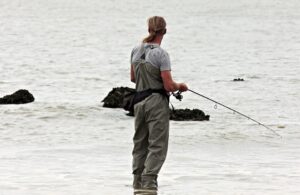
Spend a day fishing in Newport, Rhode Island, and you will see why many anglers compare this experience to classic deep-sea fishing. Anglers worldwide rely on trolling and bottom fishing for this technique and local fishers are no exception. Unsurprisingly, deep-sea fishing in Newport, Rhode Island, includes a lot of bottom fishing for cabezon.

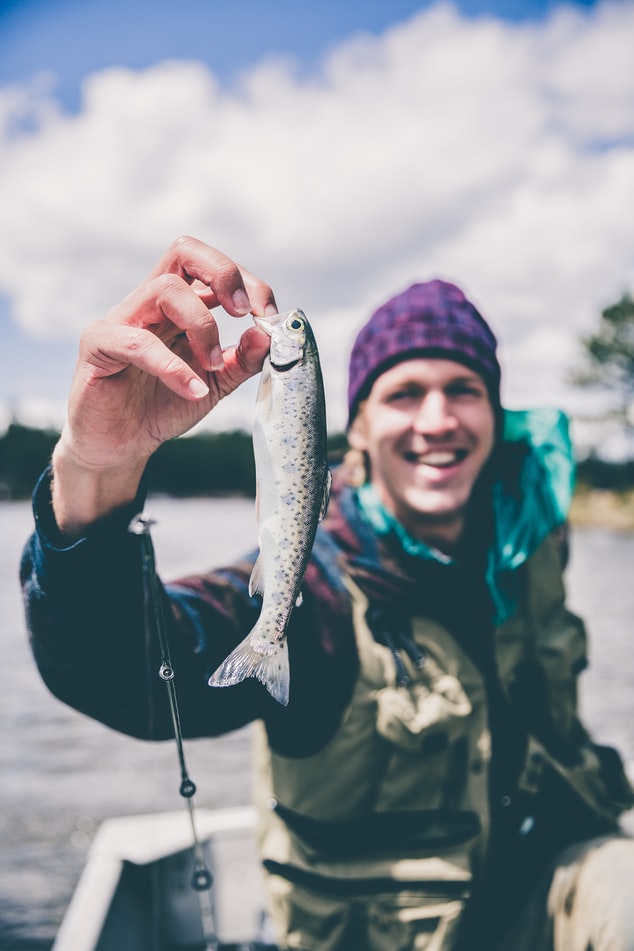
Although the cabezon (Scorpaenichthys marmoratus) is not a fish widely known or destined for coastal anglers anywhere other than the west coast, it remains a welcome catch for those who regularly catch the rugged coastlines of these regional waters. Found from British Columbia across northern Baja California, the cabezon is often an accidental catch by those who fish on the bottom adjacent to shelves, reefs, and rocky tops.

Catching Cabezon in Oregon

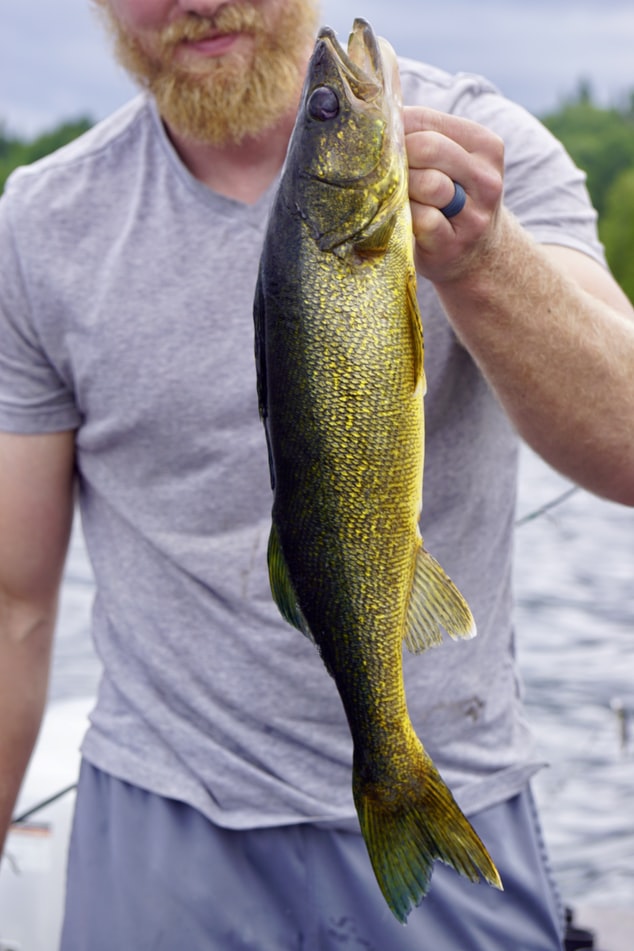
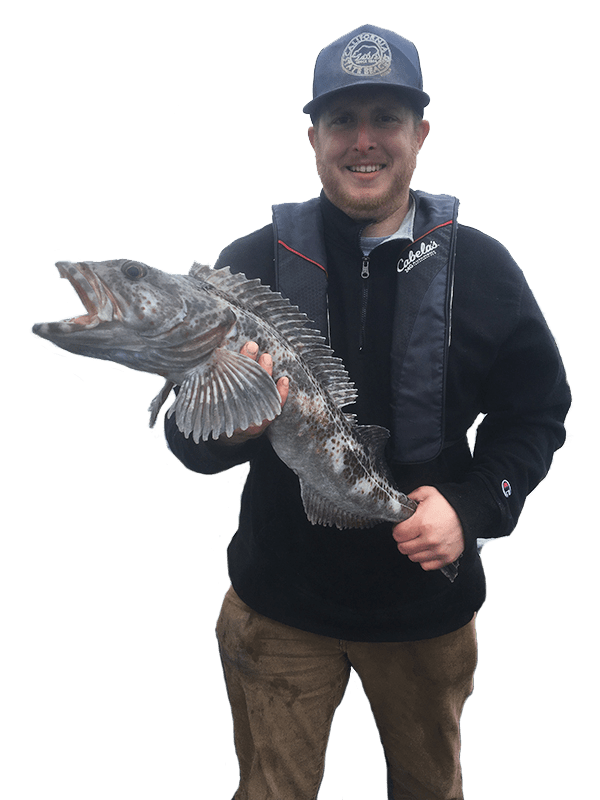
Cabezon is a fish without scales. She has extensive bone support. This support goes under the skin through the cheek from the very eye. Cabezon has 11 spines on its dorsal fin. There is also a thick spine in front of the eyes and a fleshy flap in the middle of the muzzle.

Two more extended flaps are located immediately behind the eyes: many small teeth and a wide mouth. The color is different, but it is usually red, green, or brown. Usually, 90% of redfish are males. 90% of green fish are female. The pulp is blue, like the internal organs.

Cabezon usually average 4 pounds or less but can grow up to 18 pounds; Washington State’s current record is 23 pounds. While they can dwell in much deeper waters, most end up 120 feet or less.

Many large cabezon can be taken in shallow water, sometimes only a few feet deep. This can often occur in or around tidal pools when the bait is dropped into underwater crevices and grottoes using a butt pole.

Best Cabezon Fishing Spots in Oregon

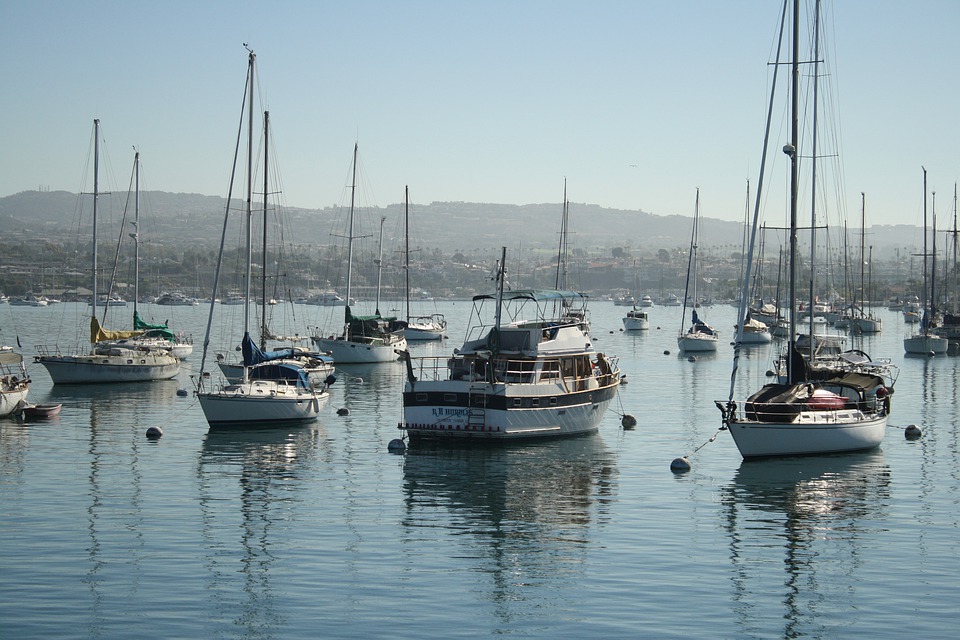
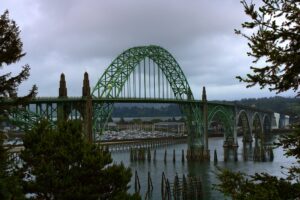
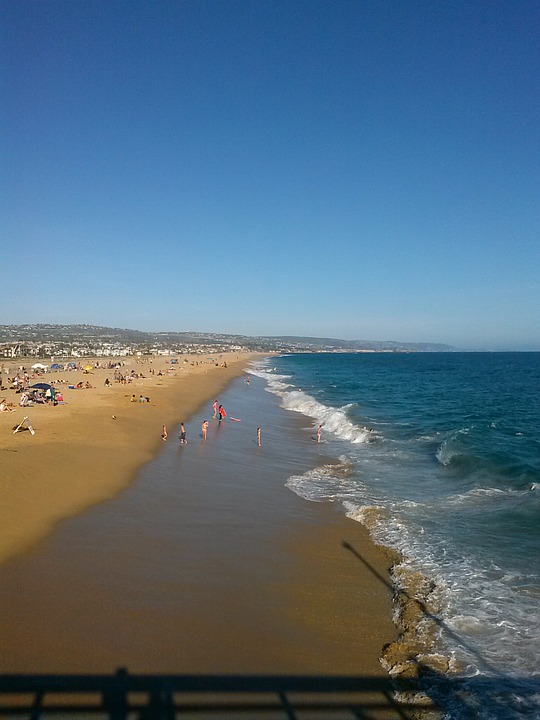
With nicknames such as “City by the Sea” and “Sailing Capital of the World,” Newport is the ideal destination for visitors to spend time on the water. This picturesque town attracts fishers from all over the world for its beautiful beaches and New England charm.

Best Baits for Cabezon in Oregon

While whole and sliced ​​baits such as anchovies, mackerel, and herring can be hit with hungry cabezones, their favorite food is the wide variety of crustaceans and shellfish surrounding the areas they live.

You cannot harvest natural bait at low tide in a place where you plan to take a quick seafood trip to pick up a few whole, unpeeled shrimp or thawed squid.

Frozen shellfish and mussels that are not local bait and tackle are poorly inferior to those you harvest fresh but will work as a last resort. Crabs and copper penny shrimp work pretty well when hung from a hook.

Common Techniques for Cabezon Fishing

Fortunately, the cabezon is not shy of hooks and has largemouths that are well suited for inhaling whole baits like rock crabs, young octopuses, cracked mussels, and ghost shrimp.

Unlike many predator species that like to roam open water searching for food, the cabezon prefers to play the waiting game hidden in their rocky abode until their unsuspecting prey is right under their noses.

Then they quickly run out and inhale the food, and then return to where they came from. While small shore anglers can fish more cabezones, their regular spawning migrations in shallow waters put them within reach of shore fishers.

Dropper loops or reverse dropper loops are the most common ways of presenting your lure, but many anglers also have consistent success with catching shrimp, crabs, squid, or strip bait that has been attached to a lead bait. Always make sure your hook matches the size of the bait you are using.

Cabezon Season in Oregon

Spring cabezon fishing can be some of the best fishing of the year. By March, cabezon stocking is well underway in lakes and reservoirs throughout the state. Fishing also can be excellent for holdover fish – cabezon stocked the previous year that have overwintered, and gotten big and hungry.

Seabass Fishing Regulations in Oregon

In Oregon, it is illegal to use canned corn as bait… But to catch such a violator will not be easy because when he sees an inspector, he will instantly eat all the evidence.

Cooking Oregon Seabass

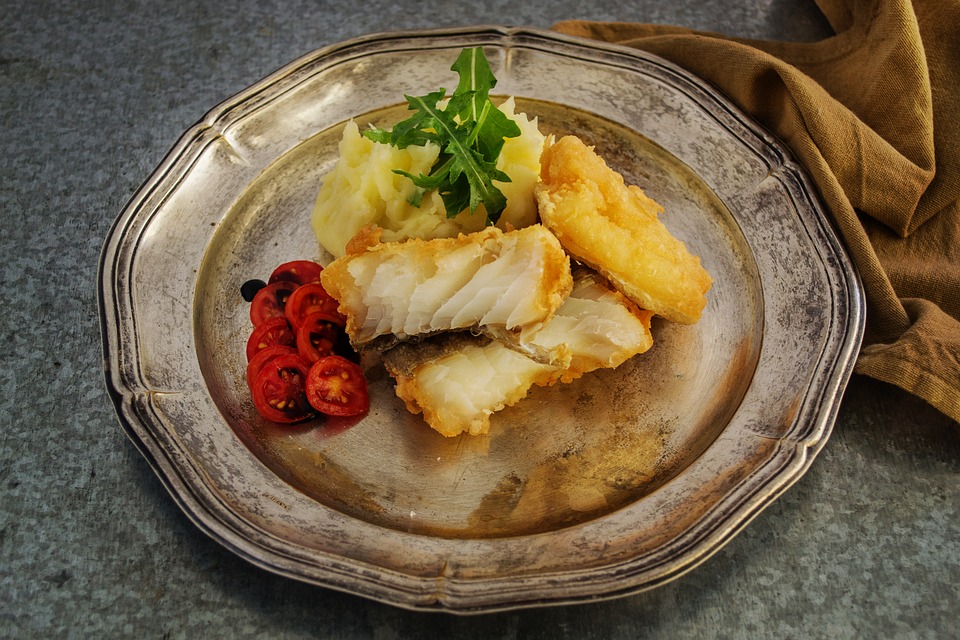
There is not much fish in the sea that is as tasty as cabezon. They have a soft, flaky, yet firm texture that goes well with various seafood recipes. One thing that surprises many anglers who are filleting cabezon for the first time is the aquamarine color of their raw flesh. In both cases, the fillet turns snow white once cooked. Keep in mind, however, that their caviar is poisonous to eat raw or cooked. Therefore, caviar lovers should look elsewhere.

Hiring a Fishing Charter for Halibut Fishing

It’s always wise to charter a fishing guide. They ensure every part of your trip goes as well as possible, and provide you with everything you’ll need as you fish.

This includes a competent captain and an experienced local guide, excellent fishing gear, accommodations, and their fishing license. So, all you need to do is to prepare yourself for a great and memorable adventure.

If you’re thinking of hiring a fishing charter, check out Newport Oregon Fishing Charters. Alternatively, you can browse our blog for more guides about everything related to fishing, or contact us for any questions and inquiries.

Other Fish to Catch in Oregon

Besides cabezon, Oregon houses sea creatures like Dungeness crab, seabass, lingcod, salmon, and halibut. 

Halibut Fishing in Oregon 1
Cooking Oregon Halibut

Schedule your Oregon Fishing Charter Today!
Everything You Need to Know About Columbia River King Salmon Fishing

Everything You Need to Know About Columbia River King Salmon Fishing

Everything You Need to Know About Columbia River King Salmon Fishing

Are you planning on going Columbia River King Salmon fishing? You’re probably wondering how to go about it to increase the chances of successful catches. But before you get there, there are things you need to know about to get the best chances of getting a king salmon for yourself.

Read on to learn everything you need to know about Columbia River King Salmon fishing for your next trip!

Columbia River King Salmon Fishing 3

About the Columbia River King Salmon

I know how challenging it can be trying to score a Columbia River King Salmon, especially if you’re new to this! That doesn’t mean it’s impossible, though.

Before we get into effective fishing tips, let’s first talk about the king salmon.

King Salmon is a favorite for recreational fishers, also called the Chinook Salmon. It is known by other names as well, such as the blackmouth, quinnat, or the chub. Furthermore, they are known to be powerful fish, weighing more than 14 kilograms.

These fish would spawn in the large rivers of Alaska and California, though you may also find them in streams in the BC and Yukon. Production and spawning would occur in major river streams usually, including the Columbia River.

After the eggs hatched, king salmon would stay in freshwater, with the duration depending on water temperature. In southern locations, some king salmon will migrate after spending 3 months in freshwater, while others stay for up to 1 year. In northern areas, king salmon would spend at least 1 year in freshwater.

Since they are large and in coastal waters, they are a favorite prey for killer whales, with many commercial and recreational fishermen catching them, too. They are usually caught by hook and line fisheries, chasing and biting lures or baited hooks that are trolled through waters.

That said, they are an unusual Pacific salmon species, as the color of adult flesh would range from white to pink, until a deep red. They have a dark back and green-blue sheen, but they darken when spawning in freshwater, having reddish fins and belly.


Guide to Columbia River King Salmon Fishing

If you don’t know it yet, the Columbia River is the biggest one in the American West. Its grand size comes great fishing opportunities, which is why you find a ton of people fishing for King Salmon.

Catching king salmon isn’t as easy as 1-2-3 though. While fairly easy, it requires skill and the right fishing equipment. That said, here are helpful tips you can follow to catch king salmon in the Columbia River.

Columbia River King Salmon Fishing 5

Use 360 Flashers

This tool was introduced a few years ago, which is different compared to the classic flashers. As the name suggests, this lure would rotate in a circle, with the purpose of increasing the area it’s presented. Besides that, it would also function as a standard flasher with various colors available to catch the light for attracting fish.

You may want to use this for better chances of attracting more king salmon. That said, be sure to use these flashers only when you are trolling.

Stack Wobblers

Wobblers are a classic lire for salmon, so this is a pretty helpful tip. Use two or three on the line rather than just one.

The common technique for bank anglers or expert boat fishers is to use 2-3 different wobbler colors or styles. This increases the odds of getting a catch.

Keep the distance between lures by at least 2 feet, lowering your line slowly. If you are a boat angler, you may want to consider using floats when the currents are slow.

Focus on Tide Turns

The Columbia River would be affected by the Pacific Ocean. When tides rise and fall, the river would experience the same until Bonneville Dam. Such changes in currents will agitate or inform king salmon and other fish, which would cause them to become more aggressive.

When the tide rises, salmon would ride the incoming water or slow currents and make their way upriver. When it falls, the fish would either go down near the bottom or go to the seas.

Invest in a tide chart and pay full attention to any tide changes. If there are tide changes, fish would make decisions, with slack or change tide being more productive fishing hours.

Try Dead Drifting

If you are fishing above the Bonneville Dam, the tides won’t affect the river. However, this will also be where you can find a lot of fishing opportunities, including those for king salmon.

From the Cascade Locks and above, this river is tamed and is now a series of lakes. To fish here successfully, head to the river or creek mouths. When the spring sun arrives, the fish will pause near river mouths, confirming where their home stream is. During the summer and fall run, the areas are havens to protect fish from warm water the dam creates.

From this area, anglers would use cured salmon eggs, which have dead drifted near bottoms. However, never take your eyes far off rivers, as the bites tend to be subtle. When you are hooked and it is salmon, expect bent rods and screaming reels.

Use Tuna Fish as Bait

There are reputable bait sellers popular in the area. It is best to use tuna fish, filling molded plastic lures with bait or scent. Tuna is a local favorite, which salmon are very attracted to. You can use this bait and troll it with regular or 360 flashers.

It’s best to use tuna as bait during the fall, though they are also effective during the spring and summer runs.

Columbia River King Salmon Fishing 4 1

Wrapping It Up

There are a ton of fish you can find when fishing in the Columbia River, including the king salmon. With the right tips and strategies, you can achieve a few catches and even explore the many other fish species.

Hopefully, this article gave insight on Columbia River king salmon fishing. Utilize these tips and strategies so you can get sure catches and more salmon fishing opportunities now.

Columbia River King Salmon Fishing 2
Columbia River King Salmon Fishing

Schedule your Oregon Fishing Charter Today!
Everything You Need to Know About Newport Oregon Coho Salmon Fishing

Everything You Need to Know About Newport Oregon Coho Salmon Fishing

Everything You Need to Know About Newport Oregon Coho Salmon Fishing

Newport Oregon is an all-around destination when you want to go off-shore fishing. You can find a ton of fish species in the area, including chinook and coho salmon throughout the different seasons. Besides this, Newport is known to be a safer ocean access point on the coast compared to others.

Whether you are going on a charter boat, fishing from the shore, or through other means, you have to be prepared. But what do you need to know about coho salmon fishing and how can you get a successful catch or two?

Read on to learn more about Newport Oregon Coho Salmon Fishing in this guide!

Newport Orehon Coho Salmon Fishing 3

What is the Coho Salmon?

Before I get into how to fish for coho salmon, what is coho salmon in the first place?

Coho salmon is bluish-black in color and has silver sides when in saltwater. It also has black spots on its back and upper part of its caudal fins. They are smaller and slimmer compared to chinook salmon, reaching around 39 inches long and weighing only up to 31 pounds, though on average, they weigh 6-12 pounds.

Spawning will begin from November to January, the eggs hatching come springtime. The fry will stay in streams for more than a year. Cohos will return to spawning once they reach 3 years old, spawning in the same area chinook would.


Newport Oregon Coho Salmon Fishing

Now that you know what the Coho Salmon is, the next question is: How can you fish for them successfully? If you’re in Newport, Oregon, follow these effective tips to get more fishing opportunities and catches!

Newport Orehon Coho Salmon Fishing 4

About Coho Salmon Fishing

When you want to fish for coho salmon, you have to know that they’re pretty tough and ready to fight. While smaller than chinook, they are challenging to catch, with less-experienced anglers feeling discouraged. Coho salmon would trash and pull, using all their force once hooked, so be prepared and stay strong as you try catching them.

While strong, this makes them easier to find. They are aggressive, splashy, and social fish that love rolling and jumping on the water surface. Be patient and don’t leave to find them, taking the time to let them show where they are.

When differentiating coho salmon from other species, look at their mouths. Coho salmon would have black mouths and white gums. They would also have a maroon kye and dark back.


Where to Fish in Newport

The best areas to fish when in Newport, Oregon is anywhere in lakes, rivers, inshore, and nearshore locations. To be more specific, consider visiting Depoe or Yaquina Bay.

Depoe Bay only has 6 acres of water, is known as the smallest harbor worldwide. Even if it is small, it’s home to a lot of fish and great reefs, suitable for bottom fishing species like coho salmon. Depoe Bay has around 5,000 coho salmon and 1,000-3,000 chinook salmon annually.

Yaquina Bay is best suited for anglers who are offshore fishing. In 2003-2004, there were over 12,000 coho salmon!


Baits to Use

When packing baits, salmon roe is optimum when catching most salmon species. Besides salmon roe, you can prepare anchovies, herring, shrimp, or sardines.


For those who want to catch chinook salmon, opt for cured roe or green and red-colored lures and plugs.


Common Techniques

When you are catching coho salmon in Newport, Oregon, these are the best techniques to use:


  • Drift fishing
  • Fly fishing
  • Spinning
  • Trolling


If you plan to use a single all-purpose rod, use one that is between 8’6 to 9’6 feet long with a 10-15 pound line and sensitive tip. For those who want heavier rods that can handle larger fish species, invest in a casting rod and reel. For heavier rods, use a 15-20 pound line.


When is Salmon Season?

It’s best to catch coho salmon in Newport, Oregon from June to November.

For chum salmon fishing, it’s best to fish from July to October. For chinook salmon, March to October is optimum.

As for the time of day, it’s better to do so early morning, if the area permits it. Many anglers opt to fish early in the morning, getting their lines in the water when you begin seeing light. That said, many anglers also have better success catching coho salmon when the sun is up and it’s become a few degrees warmer.

Think about the changes in weather as well, which can make or break your day out catching fish. As the weather gets colder, it also turns off the bite. If the weather is unstable, wait for a few days until the weather clears out and the weather forecast shows little to no chance of inclement weather.


Newport’s Salmon Fishing Regulations

Remember, when fishing anywhere, they have limits and regulations to follow. You need to follow such regulations, which are based on the local government rules. Failure to do can result in your license being revoked, a hefty fee, and the risk of never fishing again!


In Newport Oregon, you are limited to catching two salmon per angler a day. The coho salmon will need to be over 16 inches long when caught. As for chinook, it needs to be 24 inches, while chum has no minimum length requirement.

Newport Orehon Coho Salmon Fishing 5

How to Cook Newport, Oregon

If you caught chum and plan to take it home to cook, think of it as preparing any other salmon. There are so many ways to prepare salmon, such as:


  • Canning
  • Filleting
  • Smoking
  • Consuming raw
  • As a burger patty


What Else Can You Catch?

Besides coho, chinook, or chum salmon, what else is there to catch?

You can also find cabezon, halibut, sea bass, lingcod, Dungeness crabs, and more!


Wrapping It Up

Newport is well known for coho salmon fishing, along with chum and chinook salmon. Numerous anglers visit the area as the salmon here offer nutritious and delicious meat. Plus, coho salmon makes for an excellent game, for all anglers to practice their fishing skills.

Hopefully, these tips on Newport Oregon Coho Salmon fishing gave you an idea of what they are and how to catch them!

Newport Orehon Coho Salmon Fishing 6
Newport Orehon Coho Salmon Fishing

Schedule your Oregon Fishing Charter Today!
Everything About Cabezon Fishing in Oregon

Everything About Halibut Fishing in Oregon

Everything About Halibut Fishing in Oregon

Halibut may look like a flat, boring fish, but it’s quite famous among fishing enthusiasts. Halibut offers delicious meat packed with plenty of protein, omega-3, and certain vitamins and minerals.

Catching Halibut in Oregon

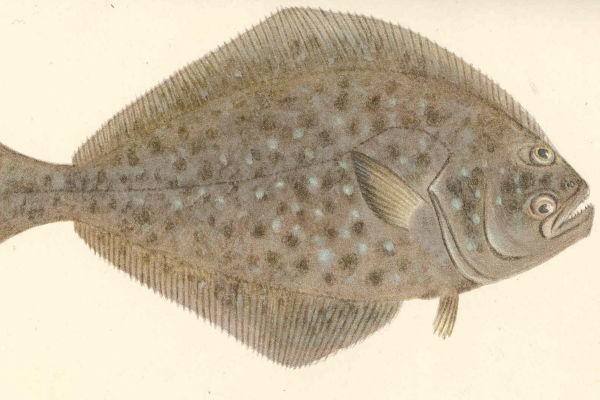
Curiously enough, halibut possesses a single eye on one of its sides. You’ll know where its eye is by checking its color on either the left or right side: the eyed side boasts a dark shade, while the blind side is often simply white.

In Oregon, halibut averages at 20 to 150 pounds, but you can find a halibut as big as 720 pounds. That would be at a staggering height of 7 feet. You’ll also notice that two halibut types reside in Oregon: the California halibut and the Pacific halibut.

You’ll see more Pacific halibut than California halibut on the coast. Pacific halibut feature a diamond shape and a right-sided eye, while California halibut possesses an oval shape, a left eye, and a mouth that reaches past its eye. 

Best Halibut Fishing Spots in Oregon

There’s no set best halibut fishing spot in Oregon – you’ll find them in any port. Stay away from sandy bottoms and opt for hard floors with contours. However, if you’re looking for specific places, check out this awesome map on ESPN.

Best Baits for Halibut in Oregon

Halibuts love herring the most. However, salmon bellies, salmon and mackerel heads, octopus, squids, jigs, artificial lures, and any kind of live bait works in attracting halibut, too.

Common Techniques for Halibut Fishing

You can capture halibut by deep sea fishing, bottom fishing, drift fishing, heavy tackling, light tackling, and spearfishing. 

Halibut Season in Oregon

Halibut fishing season in Oregon peaks from May to September, and closes from January to April and October to December.

Halibut Fishing Regulations in Oregon

You’re limited to bagging 1 Pacific halibut a day and 6 of them in a year on Oregon. Meanwhile, you can count California halibut as part of your daily 25 flatfish bag limit.

Cooking Oregon Halibut

Halibut is quire versatile with its firm white meat and mild, sweet-ish flavor. Some people compare its taste to tilapia. 

You can prepare an Oregon halibut by boiling, frying, baking, or steaming it. You can add it to chowders or soaps as well, and add it to sandwiches or salads. Likewise, you can simply allow it to stand on its own.

Some dishes you can make with halibut are coconut lime halibut cheeks, lemon pepper halibut, pan-seared marinated halibut, lemon butter-fried halibut, pumpkin halibut chowder, grilled halibut with salsa, and baked halibut with vegetables.

Hiring a Fishing Charter for Halibut Fishing

It’s always wise to charter a fishing guide. They ensure every part of your trip goes as well as possible, and provide you with everything you’ll need as you fish.

This includes a competent captain and an experienced local guide, excellent fishing gear, accommodations, and their fishing license. So, all you need to do is to prepare yourself for a great and memorable adventure.

If you’re thinking of hiring a fishing charter, check out Newport Oregon Fishing Charters. Alternatively, you can browse our blog for more guides about everything related to fishing, or contact us for any questions and inquiries.

Other Fish to Catch in Oregon

 Besides halibut, Oregon houses sea creatures like Dungeness crab, cabezon, lingcod, salmon, and sea bass. 

Halibut Fishing in Oregon 1
Cooking Oregon Halibut

Schedule your Oregon Fishing Charter Today!
Everything About Salmon Fishing in Oregon

Everything About Salmon Fishing in Oregon

Everything About Salmon Fishing in Oregon

Oregon salmon are aplenty. Coho, chum, and chinook salmon reign over its waters and anglers flock there to get their hands on these fish. This article serves as your guide in salmon fishing in Oregon. It’ll talk about Oregon’s salmon species, best salmon fishing spots, best salmon baits, salmon fishing regulations, salmon season, and salmon meal ideas.

Catching Salmon in Oregon

Generally, fishing enthusiasts seek salmon for both game and meat. Coho salmon are pretty great fighters, while chinook salmon are humungous and fulfilling to catch. Both fish yield excellent-tasting meat.

On the other hand, anglers typically ignore chum salmon and even find them bothersome. This is because they don’t fight when hooked and their meat doesn’t taste as good as coho or chinook salmon meat.

Coho Salmon

Coho salmon are also called silver salmon, and they’re highly-admired fighters. They’re not that big, weighing only 2 to 6 pounds on average. They’re undersized when compared to chinook salmon.

However, coho salmon is the toughest, wildest, and best fighting salmon. They’re a challenge to catch to the point that some fishing enthusiasts are even dissuaded from attempting to bag them.

You can identify the coho salmon by checking its mouth. A coho salmon’s mouth is black and features white gums.

Chinook Salmon

Chinook salmon reigns among all salmon as the king. They’re labeled as king salmon due to their size, which averages at 10 to 50 pounds. However, the largest recorded salmon catch in Oregon was more than 100 pounds and 5 feet long.

This is what convinces anglers to fish for this salmon species in the first place. If you seek out chinook salmon, you’re bound to have a great sport session and a hearty meal afterward. 

The best way to identify chinook salmon is to check its size and mouth. Of course, the chinook salmon is huge. Meanwhile, its mouth features a black hue with black gums.

Chum Salmon

Chum salmon in Oregon isn’t really any fishing enthusiast’s favorite. They don’t taste good compared to other salmon species, and they barely even fight when they’re hooked. 

These fish weigh 4 to 10 pounds on average and display a white mouth and white gums. They have green bodies with purple stripes, and males of this species tend to have large teeth.

Despite being disliked by many anglers, however, chum salmon produces large and flavorful roe. Their eggs are larger than other salmon, and that’s the only thing that makes them stand out from the rest. us and enormous compared to the others.

Best Salmon Fishing Spots in Oregon

Salmon in Oregon are typically found within the rivers and lakes or inshore and nearshore. However, if you’re looking for specific salmon fishing spots in Oregon, check out Rogue River, Umpqua River, Nestucca River, Trask River, McKenzie River, Santiam River, Middle Fork River, Imnaha River, Tillamook River, Deschutes River, or Chetco River.

Alternatively, you can head on to Depoe Bay or Yaquina Bay. Both bays yield high salmon catch numbers yearly.

Best Baits for Salmon in Oregon

Salmon roe perfectly serves as salmon bait for any salmon species. However, small fish such as herring, sand shrimp, sardine, or anchovy works fine as well. Alternatively, you can opt for green-colored or red-hued plugs and lures.

Common Techniques for Salmon Fishing

Salmon fishing in Oregon isn’t complicated. The best techniques utilized for salmon fishing are spinning, trolling, drift fishing, and fly fishing.

Salmon Season in Oregon

Chinook salmon fishing in Oregon succeeds best when you fish from August to September and July to October. Meanwhile, coho salmon fishing yields positive results when you fish from October to November and July to September.  Lastly, chum salmon fishing provides you with plenty of chum salmon when done from August to September and July to October.

If you’d like more details about this, read Take Me Fishing’s post about salmon fishing in Oregon.

Salmon Fishing Regulations in Oregon

Two salmon per person can be bagged in a day. Likewise, you can only take home coho salmon that’s at least 16 inches long, while chinook needs a length of 24 inches, and chum possesses can be any length.

Cooking Oregon Salmon

Salmon can be prepared in countless ways. It can be canned, smoked, filleted, consumed raw, or turned into patties. Similarly, you can grill it, bake it, fry it, steam it, or boil it.

Any flavoring and spice can complement salmon, but non-overwhelming flavors are the wisest choice for cooking salmon.

Hiring a Fishing Charter for Salmon Fishing

Hiring a fishing charter like Oregon Coast Salmon Fishing Charters or Newport Salmon Charters guarantees memorable, safe, and successful fishing adventures for you and your companions. Charters provide you with the best fishing equipment, boat, and guides, so you don’t have to worry about anything while fishing.

Other Fish You Can Catch in Oregon

Besides salmon, Oregon features incredible fish like cabezon, sea bass, lingcod, halibut, and Dungeness crab. Check out our blog for more handy guides about catching fish in Oregon.

Salmon Fishing in Oregon
Best Salmon Fishing Spots in Oregon
Salmon Season in Oregon

Schedule your Oregon Fishing Charter Today!

Things to do in Depoe Bay, Oregon

Things to do in Depoe Bay, Oregon

6 Things to do in Depoe Bay, Oregon

You chose Oregon as your vacation spot. Specifically, you picked Depoe Bay. You were so sure there were plenty of things to do in Depoe Bay, so you impulsively went with your gut and headed there.

But then, you found yourself out of ideas. It could be because traveling had been tiring. You may also be suffering from a mental block with all the stress you had to deal with before you got to Oregon. Alternatively, you may just be panicking for driving to Depoe on impulse.

Whatever the case, Pastime Fishing Charters has you covered. We have 6 things for you to do in Depoe Bay. After all, it’s the Whale Watching Capital of Oregon and it houses marvelous parks, breathtaking outcroppings, and scenic views.

Whale Watching

Your visit to Depoe Bay isn’t complete if you didn’t watch the whales there. Oregon is home to six whale species: gray, blue, killer, minke, humpback, and sperm. The best time to see them is from March to December, and the best spots are the Whale Watching Center, the shores itself, or on a charter boat.

The gray whales are the most prevalent type in Depoe Bay. They’re 50 feet long and 80,000 pounds heavy, so they’ll be quite a sight to see. Meanwhile, minke whales are the smallest at 35 feet tall and 20,000 pounds, and people sometimes mistake them for gray whales.

On the other hand, blue whales can be spotted at least 10 miles from shore as they showcase a whopping 98-foot body that weighs 300,000 pounds. Humpback whales come next at at least 15 miles from shore. They usually grow up to 60 feet and 50-80,000 pounds.

If you’re lucky, you may also spot sperm whales within Depoe Bay. They’re usually around from March to November and found during offshore trips. They can weigh 80,000 pounds and be as tall as 60 feet.

During the whales’ peak migration season, you can see an average of 30 whales per hour. Often, they’ll be in an ordered formation that consists of pregnant whales, adult males, and juveniles. Whale mothers with calves usually pair up and travel slower.

Fishing

Oregon is known for its coast, so it’s not a surprise that fishing is one of the things you can do in Depoe Bay. This is the best fishing spot for any angler wishing for a laidback, less crowded trip.

The common sea creatures occupying the bay are crab, halibut, lingcod, rainbow trout, Chinook salmon, Coho salmon, sturgeon, and rockfish. For best results, it’s wise to hire a fishing charter to assist in your fishing adventure.

Hiking

Fogarty Creek State Recreation Area is one of Oregon’s finest hiking places. It also houses plenty of birds, so it’s the perfect place to sit in and have a picnic on or simply watch the birds in.

Fogarty’s hiking trail starts at the north trailhead road and ends in Fishing Rock. It’s a simple loop with spur that goes on for about 2.8 miles. Hence, it’s great for families looking for activities in Depoe Bay.

After hiking, you can also sit for a picnic or do some birdwatching. Fogarty has wind-sheltered picnic spots as well as awesome bird-watching spots.

Sightseeing

Cape Foulweather boasts a marvelous panoramic view by a cliff. It’s located near Devil’s Cauldron and the Yaquina Head Lighthouse, both of which are wondrous places to sightsee as well.

The most well-known spot within Cape Foulweather is The Lookout, which is a gift shop with large glass windows that allow you to get a scenic view of the area. Besides being an amazing souvenir shop with interesting items, The Lookout also holds a historical significance.

Sightseeing in Cape Foulweather in Depoe Bay will suit you well if you’re in love with beauty and history. Here, you’ll get the best of both worlds: perfect sceneries of the now tinged with remnants of the past.

Birdwatching

Boiler Bay State Scenic Viewpoint is not only a great area to whale watch but also to birdwatch. Here, you’ll witness shearwaters, albatrosses, pelicans, oystercatchers, jaegers, grebes, loons, and murrelets pass by.

If you’re lucky and the tide is low, you’ll also catch a glimpse of the famous J. Marhoffer ship’s boiler, which sank during an explosion.

Strolling

Whale, Sea Life, & Shark Museum is a peaceful, wondrous, and educational place to stroll in. Of course, since Depoe Bay is known for its whales, the museum features whales alongside a couple of other sea creatures.

Whale museum holds the title as the only museum in the world that has gray whales as its focus. However, it also boasts rooms such as whale, porpoise, dolphin, shark, sea lion, seal, shorebird, and tropical ocean.

If you want to learn new things or appreciate whales more, this museum is your paradise.

Other things to do in Depoe Bay, Oregon

Other things to do in Depoe Bay include learning how to prepare fresh Oregon Dungeness crabs, filleting an Oregon king salmon, and trolling for lingcod.  With the sea on your side, granting you great views and even giving you activities to do, you won’t run out of things to do in Depoe Bay.

If you have any questions or need any help, feel free to contact Pastime Fishing. We’ll be more than happy to assist you with anything you need, especially if it involves charters and fishing.

things to do in depoe bay oregon
whale watching in depoe bay
depoe bay activities

Schedule your Oregon Fishing Charter Today!