The Top 3 Baits for Fall Salmon Fishing in Oregon

The Top 3 Baits for Fall Salmon Fishing in Oregon

The Top 3 Baits for Fall Salmon Fishing in Oregon

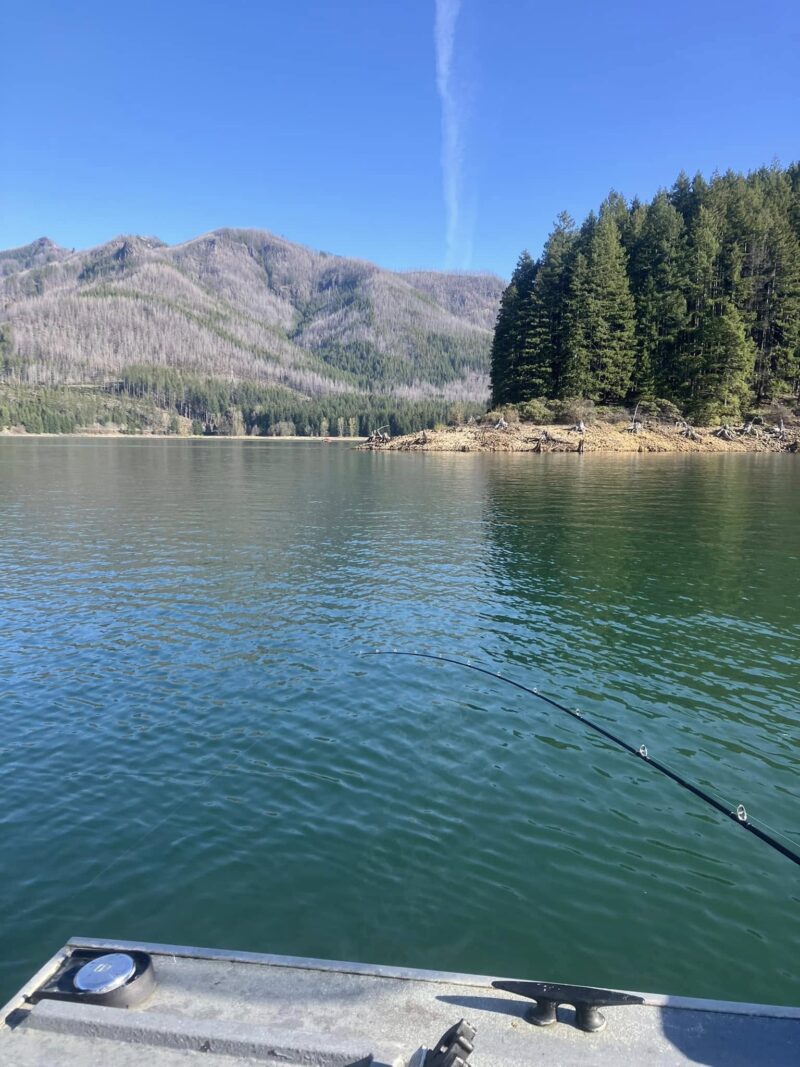
When fall arrives in Oregon, thousands of anglers converge on the Columbia River in pursuit of its legendary salmon runs. If you’re planning a trip this season, one question stands above all others: what should you use for salmon? The answer isn’t complicated, but it does take some insider know-how. Over decades of guiding, I’ve narrowed it down to three proven winners. These are the best baits for fall salmon Oregon rivers have to offer, and if you bring them in your tackle box, you’ll be ready for success.


1. Cured Salmon Roe
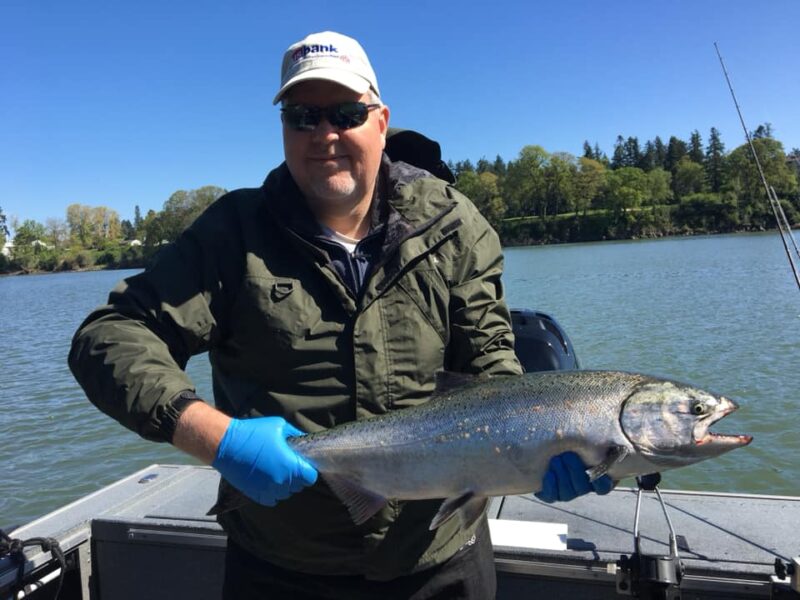
bait 1

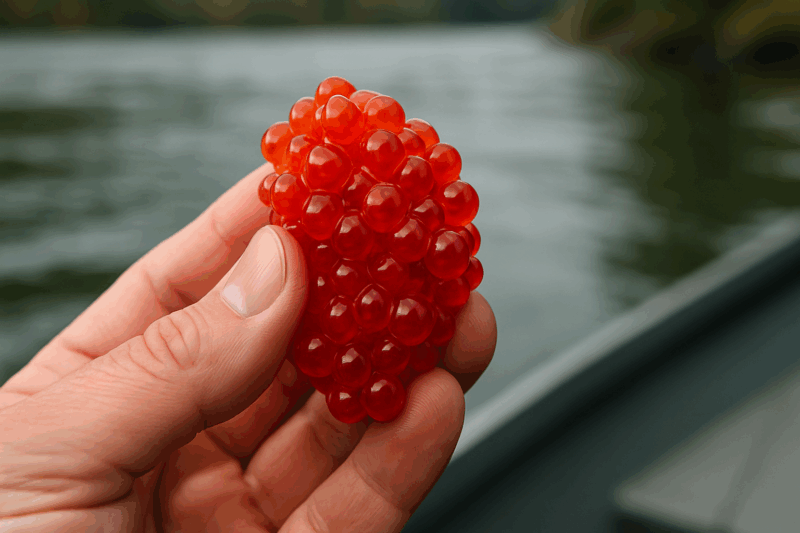
There’s no denying it—nothing beats salmon eggs when it comes to triggering a bite. Fall Chinook and coho may not be actively feeding as they migrate, but the scent and texture of roe light up their instincts. It’s a natural food source, rich in oils, and familiar from their life in the ocean.

The simplest way to rig roe is with a cluster loop knot on a size 2–4 hook, paired with a drift rig or under a bobber. From a boat, drifting a bait of cured roe just above the bottom is deadly effective. The key is to let it tumble naturally in the current, imitating free-floating eggs. In deeper pools, suspending roe beneath a bobber keeps it visible and in the strike zone.

Pro tip? Don’t be afraid to sweeten your roe with a little extra kick. Many Columbia River guides add a hint of shrimp oil or even mix in sand shrimp pieces. That added scent cloud can be the difference between a curious salmon and a crushing strike.


2. Spinners and Spoons
Bait 2 

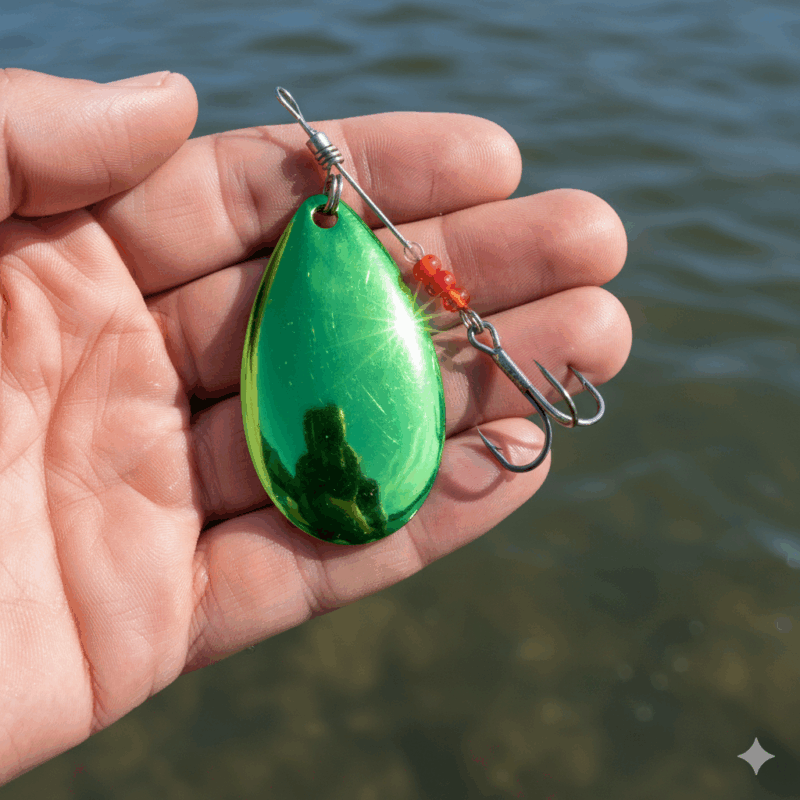
If roe appeals to a salmon’s nose, spinners and spoons go straight for the eyes and lateral line. Their flash, vibration, and erratic movement imitate wounded baitfish—something a fall salmon just can’t resist. They’re especially effective in clear water when visibility is high and you need to trigger an aggressive reaction.

Rigging spinners and spoons is straightforward. Tie one directly to your leader or use a snap swivel to make changing sizes and colors easy. From a boat, casting across a seam and letting the lure swing through the current is the classic approach. Another method is slow trolling along travel lanes where fish are holding.

Want the edge? Think about color and blade type. On the Columbia, UV finishes and chartreuse blades are favorites, especially under overcast skies. And don’t forget scent. A little smear of sardine oil or anise on your lure body can convince a following salmon to commit.


3. Plug-Cut Herring
bait 3

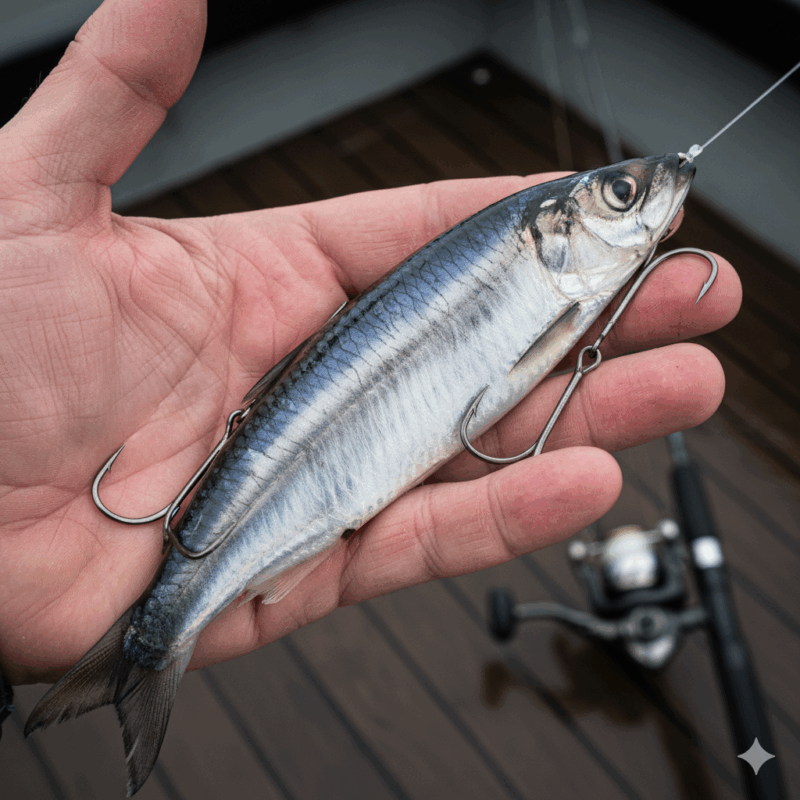
The third member of our salmon bait trifecta is the humble herring, carefully prepared with a plug-cut. This setup creates a tight, spiraling roll that mimics an injured baitfish. Add in the strong scent of a properly brined herring, and you’ve got a presentation that consistently draws strikes.

To rig it, cut the herring at an angle just behind the gill plate, insert a two-hook mooching rig (often size 4/0 or 5/0 hooks), and make sure the hooks sit snug. From a boat, plug-cut herring shines when trolled behind a flasher or diver at the correct speed to maintain that natural roll. Keep an eye on your herring after a strike—once it’s beaten up, swap it for a fresh one.

Here’s a little guide secret: after brining your herring, poke a tiny pinhole in the belly cavity before fishing. This vents extra fluids slowly as you troll, creating a stronger scent trail that salmon can follow upstream right to your bait.


Why These Three Work


These three baits—cured salmon roe, spinners and spoons, and plug-cut herring—cover all the bases. Roe appeals to scent, spinners excite aggression, and herring delivers both sight and smell in one irresistible package. Together, they give you flexibility to match conditions. If the river is colored up after rain, roe and herring get the job done. On brighter days with clearer water, spinners can save the trip.

When anglers ask me what to use for salmon, my answer always comes back to these three. They’re not just popular because everyone uses them. They’re popular because they consistently put fish in the boat on the Columbia River, season after season.


Putting It All Together


Of course, knowing the best baits for fall salmon Oregon anglers rely on is only part of the puzzle. Presentation matters just as much. Salmon can be moody, shifting from aggressive to lethargic depending on water temperature, flow, and even barometric pressure. Sometimes they want roe drifted naturally, sometimes a fast spinner swing, and other times a perfectly rolling herring trolled in the right lane. Reading those conditions and making the right call is where real experience comes in.

That’s why countless anglers trust a guide when planning their Columbia River adventure. A professional brings not only the right baits but also the confidence to adjust on the fly. After all, a bait is only as good as the way it’s presented.

So as you gear up for your fall trip, pack these three proven options and be ready for action. But if you really want to maximize your odds, don’t leave it to chance. Book a trip with an experienced guide and put these baits to work under expert direction. The fish are out there—let’s go catch them.
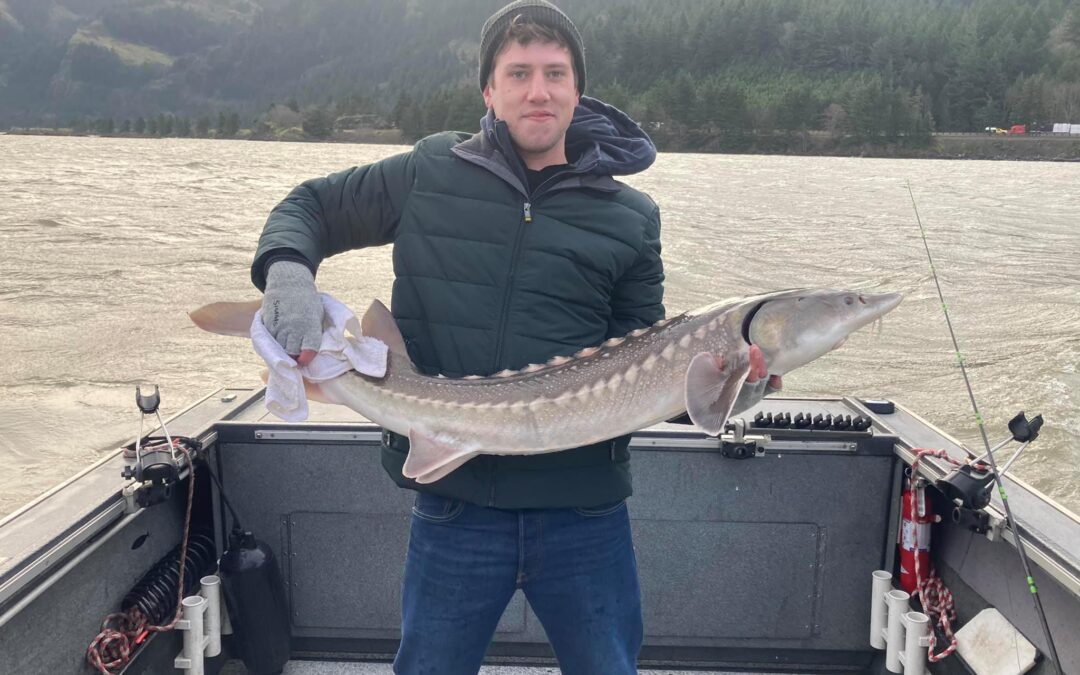
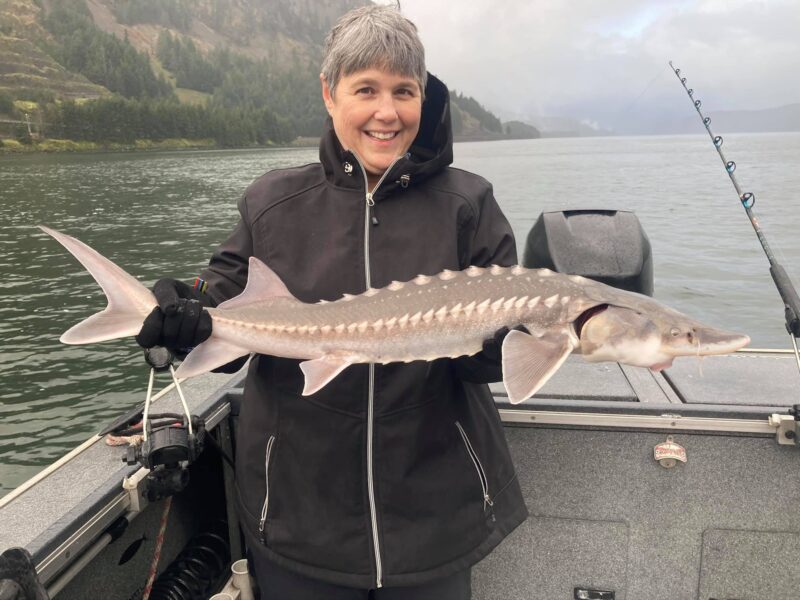
Hooking a Prehistoric Giant: Your Ultimate Columbia River Sturgeon Fishing Guide

Hooking a Prehistoric Giant: Your Ultimate Columbia River Sturgeon Fishing Guide

Hooking a Prehistoric Giant: Your Ultimate Columbia River Sturgeon Fishing Guide

Hidden deep within the rushing waters of the Columbia River swims a relic of another world. The White Sturgeon—often called a living dinosaur—has patrolled these waters for millions of years. As the largest freshwater fish in North America, landing one connects you directly to ancient history. I’ve spent decades studying these extraordinary fish as a biologist and Oregon sturgeon guide, and I can tell you with certainty: the rush of battling one of these river giants is unforgettable.

If a Columbia River sturgeon adventure has been on your bucket list, the first step is learning how this unique fishery works. It’s a world built on raw strength, heavy-duty equipment, and respect for a protected species. What follows is your full guide to preparing for the experience of a lifetime.

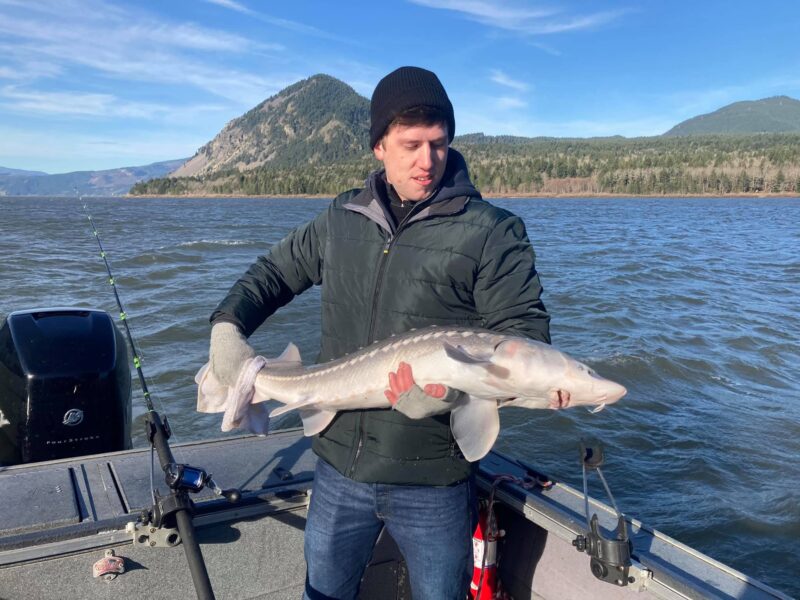
Sturgeon 3 


The Aquatic Living Fossil

Why are White Sturgeon so captivating? Beyond their sheer size—sometimes over 12 feet long and more than 500 pounds—it’s their ancient heritage. These fish are primitive, cartilaginous, and more closely related to sharks than most bony fish, having changed little for millennia.

  • Prehistoric Armor: Instead of scales, they wear rows of scutes—hardened bony plates—that make them look armored and formidable.
  • Unique Anatomy: Four whisker-like barbels hang near their vacuum-like mouth, guiding them to food on the riverbed.
  • Century-Long Lives: Growing slowly, sturgeon often live over 100 years, meaning the fish you release today might still be swimming when your grandchildren are grown.


Two Journeys, One River: Keeper vs. Trophy

Booking a sturgeon charter offers two very different types of fishing. Both are thrilling, but they serve separate purposes.

  • Keeper Seasons (Harvest): These tightly managed seasons allow anglers to retain one sturgeon per day (two per year) within a strict size “slot limit,” typically 43–54 inches fork length. Often held above Bonneville Dam in winter or occasionally in the estuary, these brief seasons can be crowded and close suddenly once quotas are filled.
  • Catch-and-Release Trophy Fishing (C&R): This is the heart of Columbia River sturgeon fishing. Open year-round in most waters, the goal isn’t to fill your freezer but to take on true giants—fish that can reach 8 or even 10 feet long. This is where the adrenaline kicks in as you wrestle with a prehistoric powerhouse.

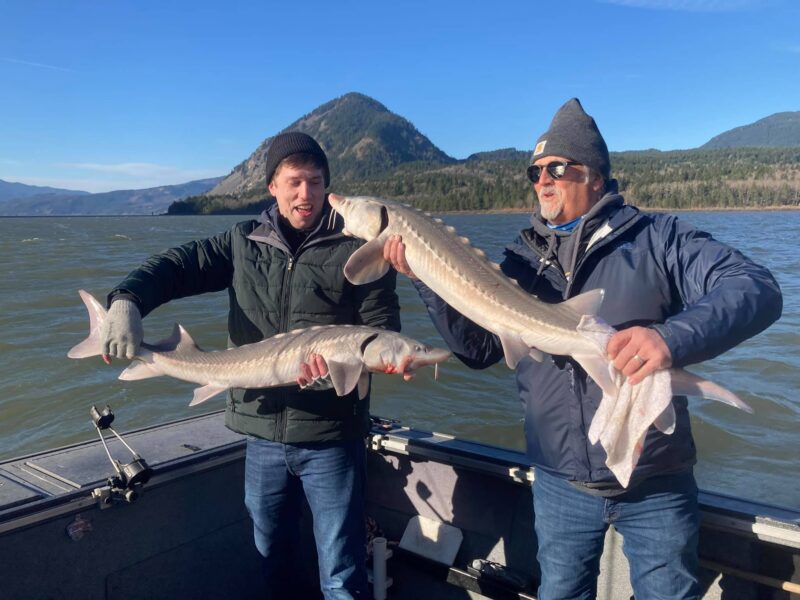
Sturgeon 4

Prime Time: When and Where

Sturgeon follow food migrations, so knowing the right time and place makes all the difference.

  • Trophy Season (May–August): Summer is peak time for giants. Below Bonneville Dam, sturgeon gorge on migrating shad, creating world-class fishing. Farther downstream, the Astoria estuary near Buoy 10 becomes a hotbed for massive fish feeding on the lower river’s rich food supply.
  • Keeper Seasons (Variable): Announced each fall for the coming year, these are usually most reliable above Bonneville Dam beginning January 1st. They are short and require close attention to updates from ODFW and WDFW.


Preparing for a Giant

Think of it this way—you wouldn’t bring a knife to a gunfight, and you shouldn’t bring a trout rod to a sturgeon battle. The gear must be tough enough to handle the sheer force of these fish.

  • Rod: Heavy-action, 7–9 feet long, with a soft tip for detecting subtle bites and a strong backbone for hauling a giant off the bottom.
  • Reel: A large-capacity baitcasting or conventional reel with a powerful drag, capable of holding several hundred yards of heavy line.
  • Line: Braided, 65–100 lb test, giving you the strength and sensitivity needed for solid hooksets and long fights.
  • Terminal Tackle: A slider rig is standard. This lets the mainline slip through the weight, so the sturgeon doesn’t immediately sense the heavy lead (8–24 ounces depending on current). It’s finished with a strong swivel, a 4–5 foot leader, and a barbless 7/0–12/0 hook, per regulations.


The Sturgeon Buffet

Sturgeon are bottom-feeding opportunists. Success depends on using oily, fresh bait that releases a strong scent trail. Anglers commonly use smelt, shad, anchovies, herring, and squid. On guided trips, bait is always fresh and carefully chosen for the season and location.


The Fight and the Release

Hooking a trophy sturgeon is nothing short of chaos. The bite often starts subtly, a faint tick-tick on the rod tip—but once you set the hook, brace yourself. The fish may sprint away in a blistering run or anchor itself deep against the current. Then comes the showstopper: these giants sometimes leap entirely out of the water in spectacular aerial displays.

But landing them is only half the battle. As anglers, we’re responsible stewards of this remarkable species. Handling them properly isn’t optional—it’s essential.

  • Keep Them Wet: Oversized sturgeon must remain in the water. Their skeletons can’t support their mass on land, and lifting them risks fatal injury.
  • Photo Guidelines: For a quick snapshot, lean over the boat and cradle the fish, supporting its head and fins. Never hold them vertically by tail or head.
  • Swift Release: Use strong gear to reduce fight times. Once the barbless hook is removed, hold the fish facing into the current until it revives and swims away on its own.

Sturgeon 2 

Your Adventure Awaits

Fishing for Columbia River sturgeon is far more than a casual trip; it’s a rare encounter with living history. With complex regulations, heavy-duty equipment, and the skill needed to target these giants safely, hiring an experienced Oregon sturgeon guide is the best way to go. A seasoned guide provides not just the boat, bait, and gear but also an intimate knowledge of the river’s secrets, moods, and seasons.

So, are you ready to face a living dinosaur? Book your trip, embrace the fight, and come home with a story you’ll share for a lifetime.

A Beginner’s Guide to Bobber Doggin’: Oregon’s Deadliest Steelhead Tactic

A Beginner’s Guide to Bobber Doggin’: Oregon’s Deadliest Steelhead Tactic

A Beginner's Guide to Bobber Doggin': Oregon's Deadliest Steelhead Tactic

There’s a moment every steelhead angler dreams of: the water is cold, the air is crisp, and suddenly, your line goes tight with the unmistakable weight of a chrome-bright fish. In the world of Oregon steelhead fishing tips, there’s one method that consistently turns that dream into a reality, even for newcomers: bobber doggin’. It might sound a little strange, but this technique is, without a doubt, one of the most effective ways to connect with the elusive “ghost of the river.”

If you’re new to the method, you’ve come to the right place. We’re about to break down everything you need to know, from the core concept to the exact gear and on-the-water execution. Get ready to transform your steelhead game.

What is Bobber Doggin’ and Why Does it Work?

At its heart, bobber doggin’ is a hybrid technique that combines the best of drift fishing and float fishing. Imagine you’re walking a dog on a long leash. You lead, and the dog follows, occasionally sniffing the ground. In bobber doggin’, your float (the bobber) is you, and your bait is the dog.

The goal is to have your weight “tick” along the river bottom while the float, set much deeper than the actual water depth, “walks” your presentation downstream at the perfect speed—the speed of the current near the riverbed. This creates the most natural drift possible, presenting your bead, jig, or worm directly in the steelhead’s strike zone. Unlike traditional float fishing, where the bait is suspended, bobber doggin’ is a bottom-contact technique. This is one of those steelhead fishing techniques that is incredibly effective because steelhead hold tight to the bottom, and this method puts your offering right in their face, for longer.

The Complete Gear Setup for Success


Having the right gear is crucial. While you can get by with a standard salmon rod, a specialized setup will make learning easier and fishing more effective.

Rod
The ideal bobber doggin’ rod is long. Think 10′ to 11’6″ in length with a medium power and a moderate-fast action. The length helps you mend and control your line on long drifts, while the softer action allows steelhead to grab the bait without feeling instant resistance.

Reel
Both spinning and casting reels work, but a casting (baitcasting) reel is often preferred. It allows for smoother line release during the drift, which is critical for a natural presentation. Spool it up and get ready to fish.

Main Line
A high-visibility braided line of 30- to 50-pound test is the standard. The bright color helps you track your line on the water’s surface, and the braid’s lack of stretch ensures a solid hookset, even at a distance.

Float/Bobber
This isn’t your grandpa’s red-and-white bobber. You’ll need a specific bobber doggin‘” or “slip” float. These are designed to lie on their side during the drift, only standing up or pulling under when you have a bite. They are rigged to slide freely on your main line between two bobber stops.

Weight Setup
The weight is what gets your gear down. A common setup involves a three-way swivel. Your main line ties to one eye, your leader to another, and a 4-6 inch “dropper” line with a lead weight is tied to the third. This ensures your weight sits at the bottom, while your bait drifts just above it. Use just enough weight to feel the bottom consistently.

Leader
A fluorocarbon leader is essential for its low visibility in the water. Start with a length of about 3 to 5 feet in a 10- to 15-pound test, depending on water clarity.

Lure/Bait This is where the fun begins! The most common offerings are fishing beads (imitating single salmon eggs), yarnies, small pink worms, or jigs tipped with bait. The key is to match your offering to the water conditions and what the fish are keying in on.

The Technique: Step-by-Step

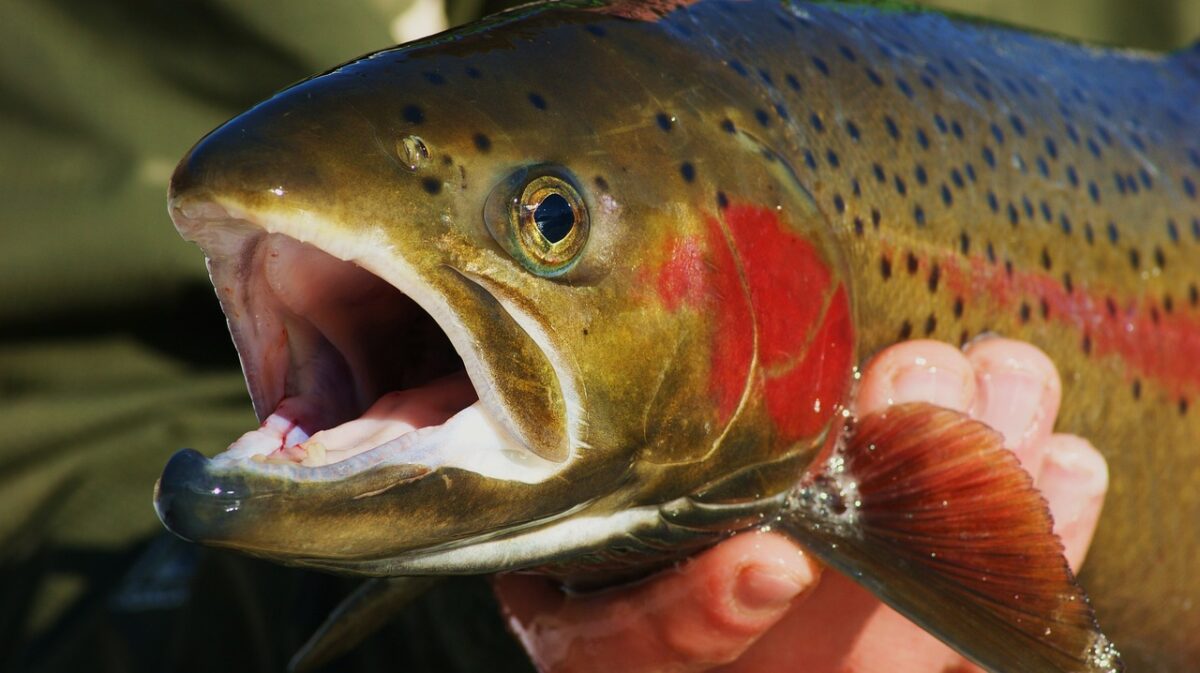
Steelhead 1A

Now, let’s get on the water. Here’s how to catch steelhead using the bobber doggin’ method:

  1. The Cast: Cast your rig upstream and across the current at about a 45-degree angle. You want it to land far enough out to give your gear time to sink and find the bottom before it reaches the target zone.
  2. Achieving the Perfect Drift: This is the most important part. As your float moves downstream, keep your rod tip high and let the line out smoothly. Your goal is to keep the float moving at the same speed as the current without any drag. You should feel your weight periodically “ticking” or tapping the rocks on the bottom. If you’re not feeling the bottom, you need more weight. If you’re constantly snagging, you have too much.
  3. Identifying the Bite: A steelhead bite on a bobber doggin’ setup is unmistakable and incredibly exciting. Your float, which has been lying on its side and drifting along, will do one of two things: it will either get violently jerked straight down under the water, or it will stop completely and stand straight up. Both mean one thing: FISH ON!
  4. Setting the Hook: Don’t trout set! When the bobber goes down, point your rod tip toward the fish to reel up any slack, then sweep the rod back firmly and smoothly in a long, powerful motion. This drives the hook home.

Reading the Water: Where to Fish

Stealhead 2 

Bobber doggin’ for steelhead shines in classic steelhead water. Look for walking-speed currents that are 4 to 10 feet deep. Prime locations include:

Seams
Where fast and slow currents meet. Steelheads love to hold in the slower water and ambush food drifting by in the faster lane.

Tailouts
The downstream end of a deep pool where the water shallows up. These are classic holding spots.

Current Breaks
Any structure that breaks the current, like large boulders or submerged logs, creates a soft pocket where fish can rest. Drift your gear right alongside these breaks.

Bobber doggin’ is more than just a technique; it’s an active, engaging, and incredibly rewarding way to pursue one of the world’s greatest gamefish. It takes a little practice, but once you feel that first takedown, you’ll be hooked for life.

Ready to master the technique on the water? The fastest way to shorten the learning curve is with an expert guide. Book a guided steelhead trip with us today, and we’ll put you on the fish and provide hands-on instruction to make you a bobber doggin’ pro!