Jigging Techniques That Work From Reef to River in Oregon

Jigging Techniques That Work From Reef to River in Oregon

Jigging Techniques That Work From Reef to River in Oregon

Spend a day around guides in Oregon, and you’ll hear the word “jigging” often. It’s a simple way to fish that works from reefs to big rivers. When people ask me about jigging techniques Oregon anglers rely on, I tell them to master one core skill, then apply it everywhere.

What Jigging Is And Why It Works So Well

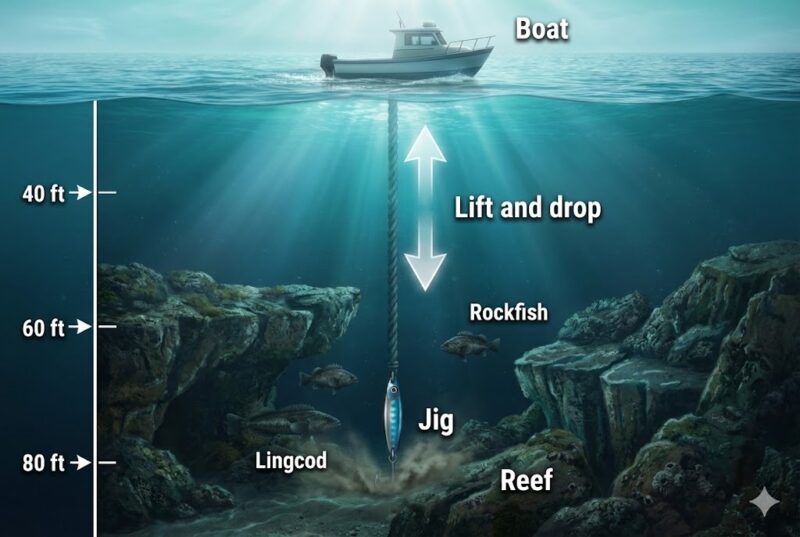
Jigging is lifting and dropping a weighted lure called a jig. You drop it to the fish, lift the rod so the jig jumps, then let it fall. That hop and flutter looks like an injured baitfish or crab that can’t quite get away, and predators react fast.

The same instinct fires whether the fish is a lingcod on a reef or a walleye in a river channel, which is why jigging works in both saltwater and freshwater. You’re not dragging a lure behind the boat. You’re working it in the strike zone, feeling bottom and reacting to every tap.

Oregon Coast Jigging On The Reefs

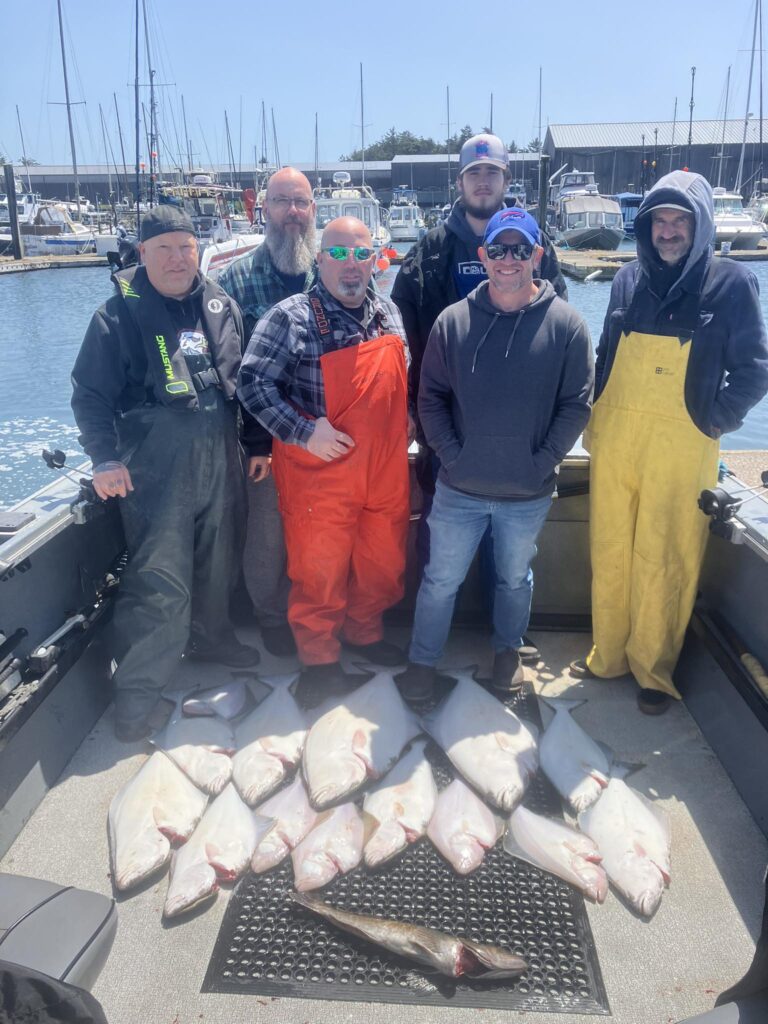
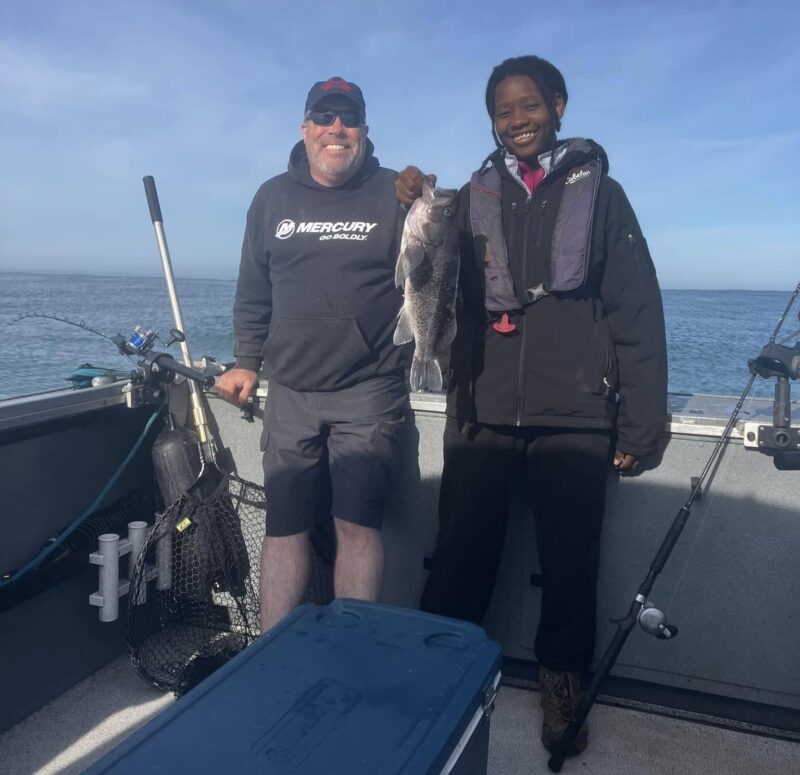
On the Oregon coast, jigging shines over rocky reefs and pinnacles. When people talk about Oregon coast jigging, they’re usually picturing a boat set over structure, heavy jigs dropped to the bottom, then a steady lift and drop. Most of the time, you’re only moving the rod tip a couple of feet, just enough to hop the jig off the rocks and let it tumble back down.

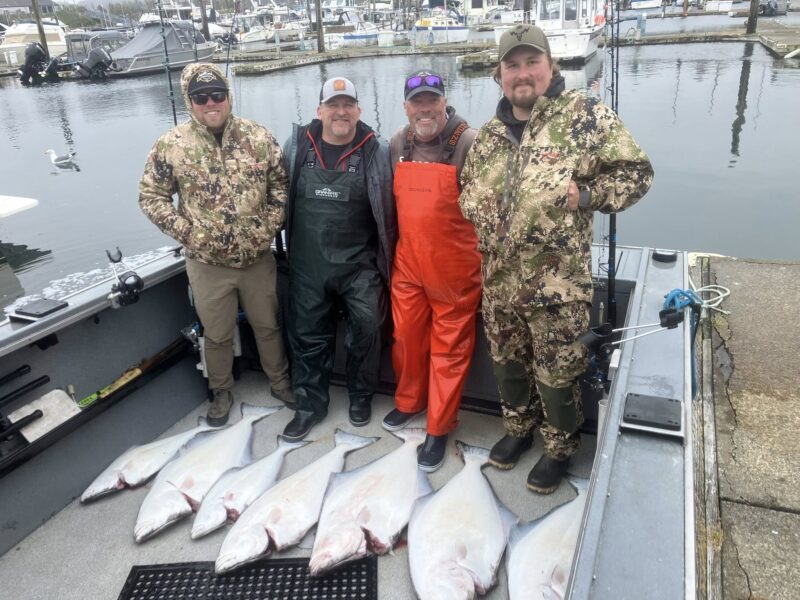
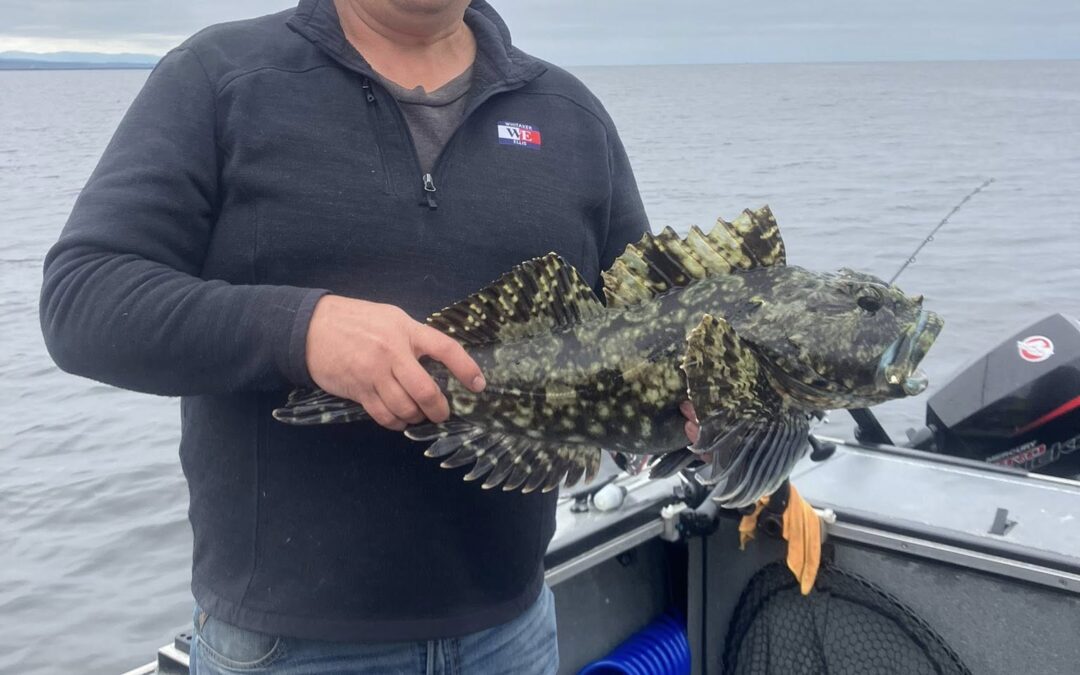
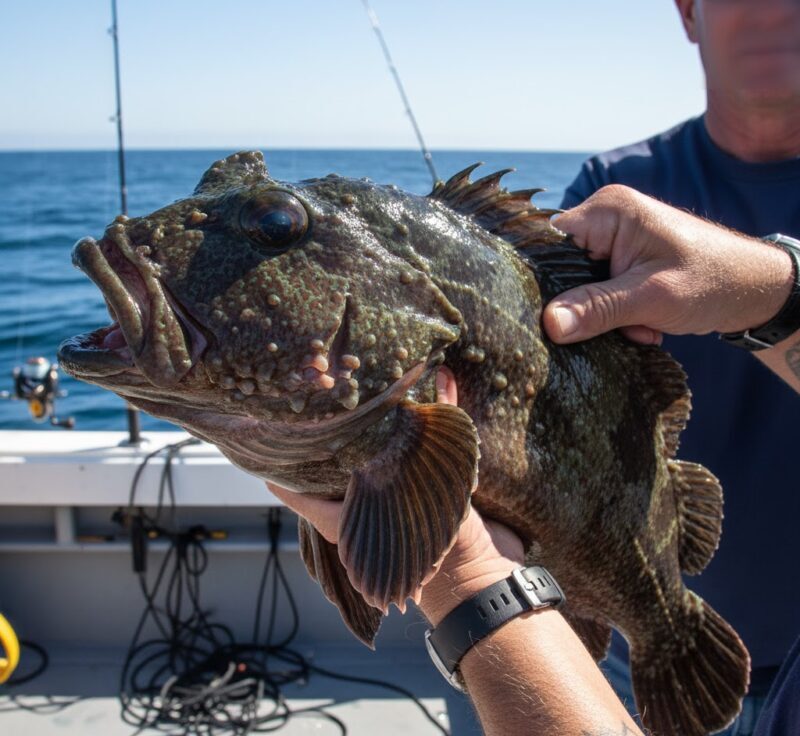
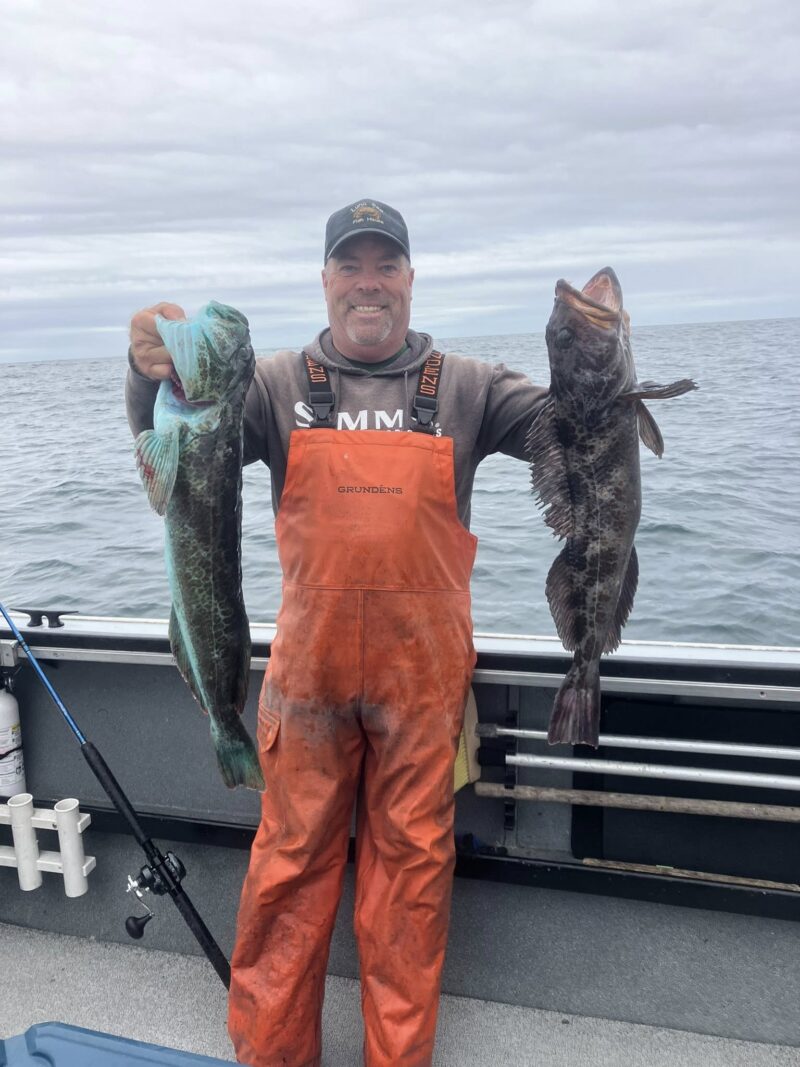
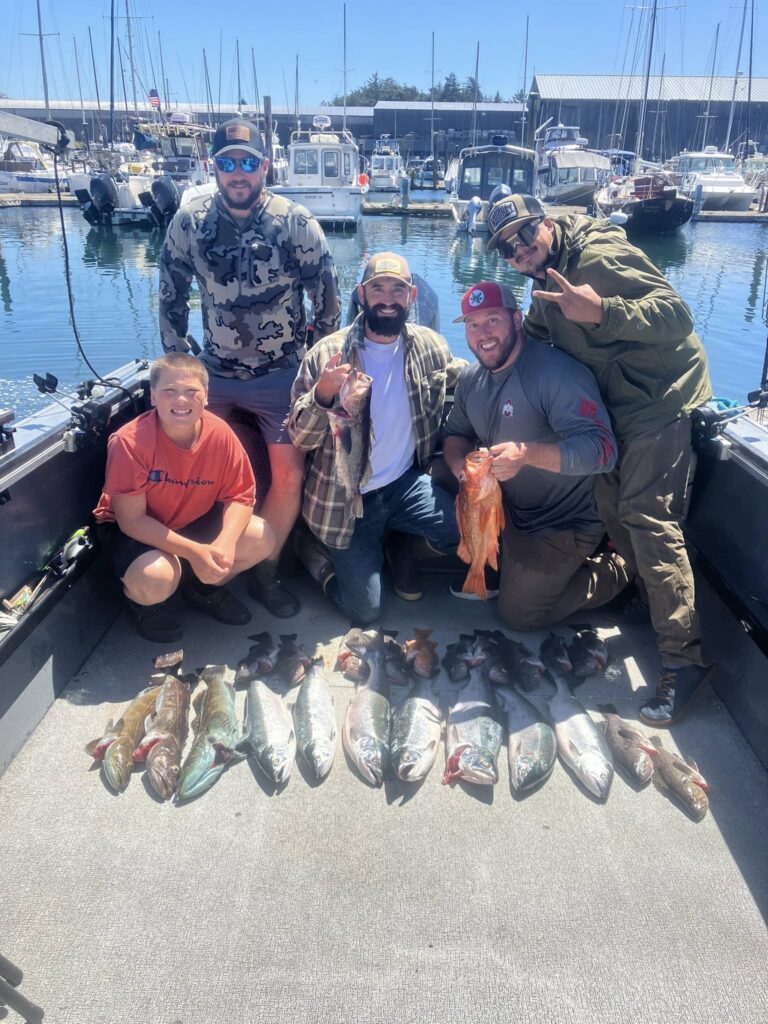
This is where jigging for lingcod and rockfish really comes alive. Lingcod live tight to the rocks in cracks and caves, and when a jig pops past their face, they rocket up and smash it. Rockfish stack a little higher off the bottom, but they react to the same wounded baitfish look.

Lingcod often like a bigger profile jig, maybe a bulky soft plastic tail, or a whole herring on a lead head. Rockfish are happy with smaller offerings, including simple metal slabs that flutter on the way down. The core move never changes. Hit bottom, lift, drop, repeat.
Jigging Image 1

Jigging In Oregon’s Big Rivers

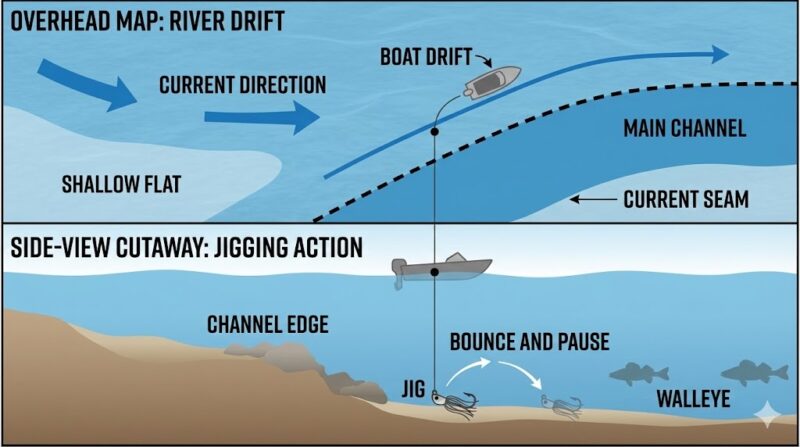
The same motion works inland. Columbia River jigging, and jigging on other big Oregon rivers, uses lighter gear and more attention to current, but the idea is identical. Instead of reefs, we work channels, deep holes, and current seams.

We drop jigs sized for the flow, then bounce bottom as the boat drifts or slides downstream. Walleye are a prime target, holding near the bottom in slower lanes and edges. A jig hopped along that edge looks like a stunned baitfish rolling in the current, and other predators will also eat a jig that comes through their lane. In heavy current, you need enough lead to stay down; in softer water, you can go lighter and use a more subtle lift, but the feel for bottom and the rhythm of lift and drop carry straight over from the ocean.

Tackle And Presentation That Travel With You

You don’t need a huge tackle collection to start jigging. For ocean trips, I usually hand guests a medium-heavy rod with a reel loaded with braided line. Braid has very little stretch, so you can feel the bottom and bites clearly, even in 100 feet of water.

Jigs are simple, too. On the coast, we lean on heavier lead heads with soft plastic tails or bait strips, plus metal jigs for deeper water. In the rivers, we use smaller lead heads with plastics or bait, sometimes jigging spoons. Across all these spots, the fundamentals don’t change. Keep a straight line to the jig, feel it hit bottom, then lift with a smooth, controlled motion. Follow it back down so you can feel a bite on the drop. Many fish eat as the jig falls, so any tick or sudden slack is your cue to set the hook.
Jigging Image 2

What You’ll Do On A Guided Jigging Trip

On an Oregon coast jigging trip, I handle the boat, electronics, and safety. I line us up over structure, watch the depth, and call out when to drop and when to reel. On a river, I do the same with current and boat position, so your jig stays in the zone instead of dragging uselessly.

Your job is the fun part. I put a rod in your hands, show you how to drop to the bottom, and walk you through the first few lifts. We practice feeling that tap of the jig hitting bottom and the difference between a rock and a bite.

Jigging is approachable for beginners because the motions are simple and feedback is instant, and it still keeps experienced anglers engaged because there’s always more feel to develop. You can refine your timing, adjust your lift, and learn how different species tap or load up on the rod. When you look at the jigging techniques Oregon anglers use from reef to river, the pattern is clear. One foundation lets you chase new species in new places without starting from scratch every time.
Jigging Image 3

If you’re curious about jigging but don’t want to spend seasons figuring it out alone, book a guided jigging trip in Oregon. An experienced guide can handle the boat, choose the right gear, and coach your technique, so you shorten the learning curve and start catching fish with confidence from coastal reefs to big river channels.
Charter Etiquette 101: Do’s and Don’ts Your Oregon Fishing Guide Wishes You Knew

Charter Etiquette 101: Do’s and Don’ts Your Oregon Fishing Guide Wishes You Knew

Charter Etiquette 101: Do’s and Don’ts Your Oregon Fishing Guide Wishes You Knew

If you have never booked a guided trip before, Oregon fishing charter etiquette can feel mysterious. You want to be a great guest, but might not be sure what is expected. After hundreds of trips on Oregon rivers and the Pacific, I can tell you this: good manners and clear communication matter far more than fancy gear.

This guide explains how to behave on a fishing charter so you feel confident from the dock to the last photo. Learn a few key charter fishing do’s and don’ts, and you will help the crew and give everyone on board a more relaxed, fun day.

Charter Pic 1 

Start With Honest Communication And Realistic Expectations

Trips go best when we talk before the boat leaves the dock. When you book, tell your captain the truth about your experience. Whether you are brand new or have only fished lakes, say so. Share any physical limitations, seasickness issues, or kids in the group. These Oregon fishing guide tips help me choose the plan, gear, and pace that fit your crew.

Be clear about your goals, but keep them realistic. It is fine to say you hope to catch a keeper lingcod or your first salmon, but no guide controls the bite. Weather, tides, and fish behavior all change, so come in flexible and trust your captain’s judgment.

Be Respectful On Board And Treat The Boat Like Someone’s Home

Once you step on the boat, treat it like the crew’s office and living room. Wait for the captain to invite you aboard, listen to the safety briefing, and plan for the day. That short talk about life jackets, railings, and where to stand is there to keep you safe when the water gets bumpy.

Keep your personal gear organized and out of walkways so nobody trips when a fish hits. If you are not sure where to put something, ask. Speak to the crew the way you would talk to a friend and avoid grumbling or backseat captaining if the fishing is slow. You hired a professional, so let them work.

Know How To Handle Fish And Gear, And When To Step Back

Rods, reels, and electronics on a charter boat are expensive tools, not toys. Do not grab rods out of the holders or change drag settings on your own. Unless the crew tells you otherwise, wait for instructions before touching any gear or ask first if you want to help bait hooks, tie knots, or set lines.

When a fish bites, that is your time to shine and to listen. I might ask you to move, follow your fish, or adjust your rod angle so it stays clear of props, other lines, and hooks. For photos and release, ask how to hold the fish safely so both you and the spiny Oregon species stay in good shape.

Charter Pic 2

Put Safety First, Especially Around Alcohol

Fishing boats move, slide, and lurch. Always keep one hand available for the boat when you are walking. Use railings or grab handles, never fishing rods, to steady yourself. Do not run, and avoid playful shoving or horseplay that can send someone to the deck when a wave hits.

Food and drinks are part of a good day, but plan them wisely. Bring water, snacks, and simple meals, and check with your captain about coolers. If alcohol is allowed, a couple of beers is usually fine, but getting drunk is never OK because drunk guests are unsafe. If you want to celebrate hard, save it for the dock.

Understand Tipping And How To Follow Up After A Great Trip

Many guests quietly worry about tipping because they are not sure what is normal. On most U.S. charters, a gratuity of around fifteen to twenty percent of the trip cost is standard for good service. It is not a rigid rule, but it is a helpful guideline, and if you are unsure how it works on a specific boat, ask.

Money is not the only way to say thank you. A handshake and a simple “Thanks, that was a great day” still mean a lot. If you loved your trip, leave a positive review, post a photo, tag the charter, and send friends or come back again.

Ready To Be A Guest Your Oregon Guide Loves To Fish With?

Good Oregon fishing charter etiquette is not complicated. Show up on time, communicate honestly, listen to safety instructions, treat the boat and gear with respect, and keep your attitude positive even when the fish make us work for it. If you remember nothing else about how to behave on a fishing charter, remember that you and your crew are a team for the day.

If you are ready to put these charter fishing do’s and don’ts into practice, we would be happy to have you aboard. Book a trip with Pastime Fishing Adventures, come prepared, bring your questions, and show up with good etiquette and an open mind. We will bring local knowledge, a safe boat, and dialed-in gear so you leave with stories worth telling.

Oregon Cabezon Fishing on Nearshore Reefs – 9 Beginner Mistakes and How Guides Fix Them

Oregon Cabezon Fishing on Nearshore Reefs – 9 Beginner Mistakes and How Guides Fix Them

Oregon Cabezon Fishing on Nearshore Reefs – 9 Beginner Mistakes and How Guides Fix Them

If you’re new to Oregon cabezon fishing, there’s a lot more to success than dropping a bait and hoping for the best. These crab-crunching, reef-loving ambush predators aren’t forgiving if your tackle or technique is off. Along the rugged Oregon Coast, local guides have seen just about every rookie mistake in the book—and they know exactly how to correct them.

Whether you’re casting from a jetty or hopping on a charter, this list of common mistakes (and how pros fix them) can save your trip and help you land more fish. Let’s dive into the nine most common slip-ups anglers make when targeting cabezon on nearshore reefs.

9 Beginner Mistakes

1. Fishing Too Light or Too Heavy for the Current and Depth

Many beginners underestimate how much weight they need to hold bottom, especially in strong currents. Others go too heavy and end up dragging their bait into every rock on the reef. Either way, you’re not keeping your bait in the strike zone where cabezon feed.

Guides watch how your line behaves. If it scopes way out, they’ll hand you more lead. If you’re snagging nonstop, they’ll downsize the weight. The goal is to bounce the bottom just enough to stay in contact without dragging. They’ll adjust weights drift by drift to keep you dialed in.

2. Losing Bottom Contact and Drifting Above the Strike Zone

You might feel bottom once, then drift off without realizing your bait is 10 feet up and out of play. It happens fast in moving water, especially if you’re not constantly checking contact.

Guides coach you to stay vertical, feel that “tick” of the bottom often, and re-drop if you lose it. They manage the boat’s drift so you stay over a fish-holding structure and will reset the drift the moment you’re off the reef.

3. Overworking Jigs Instead of Concise Bottom Taps

A lot of anglers jig like they’re chasing tuna—big, aggressive rod snaps that lift the lure far off the bottom. But cabezon aren’t chasing down fast prey; they want a meal to land in front of their nose.

Experienced captains teach a subtle, slower approach: small hops and frequent pauses. Just enough motion to make the jig dance. That keeps your offering right in the strike zone and leads to way more hookups.

4. Using Leaders That Are Too Light or Too Long Around Rocks

Light leaders may work in clear water lakes, but on the rocky Oregon bottom, they’re a recipe for heartbreak. Long leaders can also drift into cracks and snag constantly.

Charter crews rig up with short, abrasion-resistant leaders—30 to 50-pound test—and check them often for nicks. You’ll still feel the bite, but you’ll land more fish and lose a lot less gear.

5. Setting the Hook Late or with Poor Rod Position

New anglers often wait too long to set the hook, or they’re holding the rod tip high and can’t get a solid hookset. Cabezon have thick mouths and need a strong, well-timed lift to drive the hook home.

Guides show you how to hold the rod low and be ready. The second you feel pressure, you’re coached to reel down and sweep upward firmly. That quick reaction makes all the difference.

6. Ignoring Tide Changes and Not Resetting the Drift

As the tide turns, the drift changes. But beginners often keep fishing the same way, wondering why the bites stopped or why their line angle looks strange.

Your captain is watching the tide chart and will adjust position as soon as the current direction or speed changes. That might mean starting the drift from the other side of the reef or repositioning the boat entirely.

Cabezon 3

7. Misidentifying Species or Misreading Size Limits

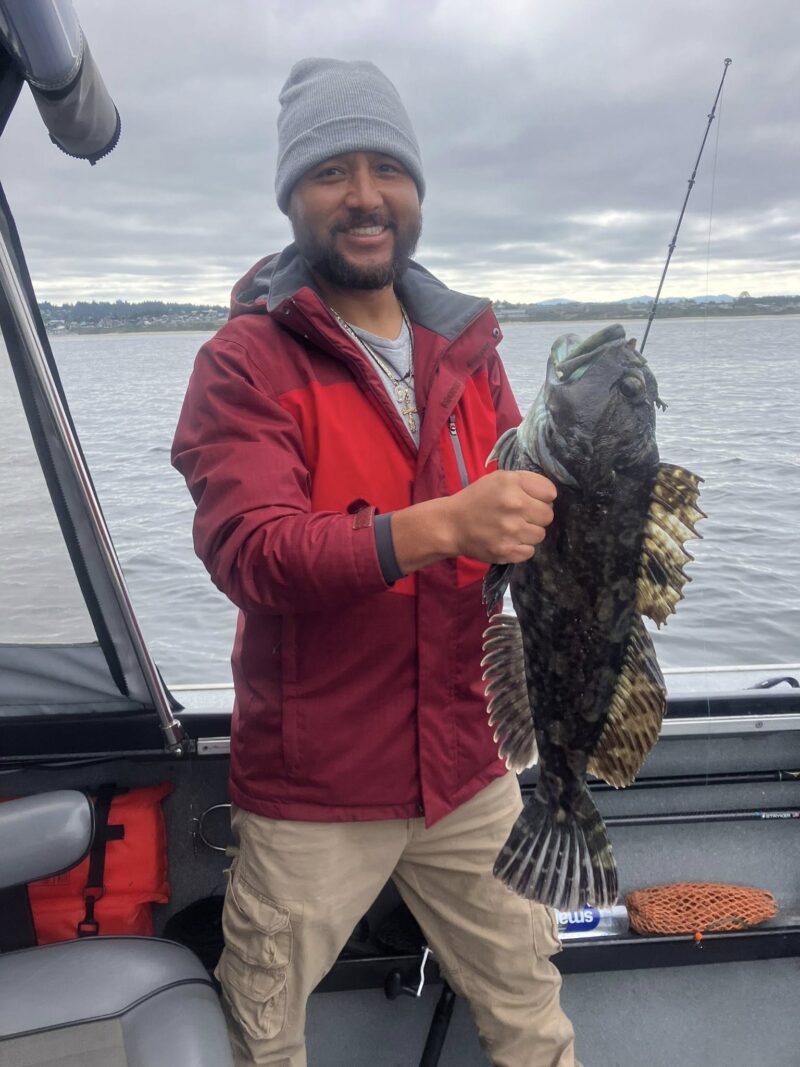
Oregon cabezon limits are strict: only one per day, and it must be at least 16 inches. Mistaking a kelp greenling or short cabezon can lead to unintentional violations.

Guides measure every fish and walk clients through ID differences. They often carry laminated fish charts on board and take time to explain which species are legal and which must go back.

8. Poor Fish Handling on the Rocks or in the Boat

A flopping cabezon on a wet deck can bend hooks, beat itself up, or even injure you. Mishandling on slippery jetties is even worse—some fish are lost (or people hurt) because of bad footing and no plan.

Pros use nets or lip grips, wear gloves, and dispatch keepers quickly and humanely. They also show clients how to hold fish securely and lower releases gently to reduce harm.

9. Skipping Safety Checks for Swell, Footwear, and Gloves

The Oregon Coast is no joke. Ignoring swell forecasts or showing up in sandals is asking for trouble. Waves, wind, and slippery surfaces can turn a fun trip serious in a hurry.

Charters brief clients ahead of time on gear, recommend boots with good grip, and cancel trips if conditions aren’t safe. They plan for safety first, always. Don’t cut corners on your own prep.

What to Expect on a Charter

On a guided nearshore reef fishing Oregon trip, you’ll fish productive reef systems from 30 to 100 feet deep. Trips usually run 6 to 8 hours and depart early to catch calmer seas and prime tides.

Pastime Fishing Adventures provides rods, reels, bait, tackle, and safety gear. You’ll get one-on-one help with rigging, technique, and fish handling. And if the bite is on, expect action from cabezon, rockfish, and lingcod.

Bring your license, rain gear, food, and a cooler for your catch. Layer up—conditions can change fast. Most importantly, show up ready to learn. Our crew is here to coach you every step of the way.

Book Your Oregon Cabezon Fishing Trip

Oregon cabezon fishing is one of the most rewarding challenges on the coast. When you fish with a guide who knows the structure, the tides, and the fish, you’ll skip the trial-and-error and get right to the good stuff.

Ready to go? Book your next nearshore bottom fishing trip with Pastime Fishing Adventures and learn the right way from the start. Check current season dates and Oregon cabezon limits before your trip, and let’s get you on the reef.

Oregon’s Fall Fishing Hotspots: Where to Catch Salmon, Sturgeon, and Lingcod This Season

Oregon’s Fall Fishing Hotspots: Where to Catch Salmon, Sturgeon, and Lingcod This Season

Oregon’s Fall Fishing Hotspots: Where to Catch Salmon, Sturgeon, and Lingcod This Season

Fall in Oregon is a gift to anglers. Cool mornings, changing leaves, and hungry fish create the perfect mix for memorable days on the water. If you are searching for Oregon fall fishing hotspots, you are in the right place. 

From the Columbia River to the reefs off Newport and Depoe Bay, this season brings hard-fighting salmon, ancient sturgeon, and aggressive lingcod within easy reach. As a local guide with Pastime Fishing Adventures, I fish these waters daily and know how quickly a quiet tide can turn electric.

Where to Find Oregon Fall Fishing Hotspots


The lower Columbia sets the tone each September. Columbia River salmon fishing starts with chrome-bright Chinook and Coho pushing through Buoy 10, then shifts upriver through October toward Portland and the Gorge. 

These fish are fresh from the ocean; they hit hard, and they test every knot. When the estuary slows, the action often continues inland, so a flexible plan keeps you on the bite.

Tillamook Bay and North Coast Kings

Once late September arrives, Tillamook Bay becomes a heavyweight arena. Big tide swings and five river mouths funnel fish into prime trolling lanes. Herring behind flashers covers the lower bay, while spinners near tidewater seams shine when salmon move higher. Many anglers consider October the sweet spot here. You will feel the difference when a true fall Chinook loads your rod and peels line into the current.

Newport, Depoe Bay, and Central Coast Choices

Newport’s Yaquina Bay is a quieter fall play that rewards timing. Work the incoming tide with bait or spinners, watch your speed, and stay in clean water. It is a classic small city fishery with big potential and plenty of services at the dock. 

Just north, Depoe Bay offers quick access to nearshore reefs. When seas lie down, lingcod and rockfish turn on. Jigs, swimbaits, or bait on a dropper will all work if you keep in contact with the bottom. 

This is where Oregon Coast fishing charters earn their keep, reading the swell, sliding onto structure, and keeping you in the strike zone. A calm October morning on these reefs can fill a cooler fast.

Sturgeon Fishing in Oregon

If you want something prehistoric, sturgeon fishing in Oregon during the fall is tough to beat. The lower Columbia and Portland harbor hold strong catch-and-release action once water temperatures cool. Anchor above a known slot or ledge, present fresh bait on the bottom, and wait for that steady pull. 

Barbless single hooks are the rule, heavy leaders help with abrasion, and patience pays off. Many of these fish are older than we are, and some will tow the boat before you see them. The goal is a quick, clean release and a photo that tells the story.

Tactics That Win in Fall

Fall is about reading conditions and choosing the right tool. On the ocean or in big bays, trolling covers water and finds schools. Downriggers or divers get you to the right depth, and small adjustments to speed can turn followers into biters. 

In rivers, anchoring with bait-wrapped plugs or casting spinners into soft edges often trips neutral fish. For lingcod, keep a vertical angle and make that jig dance; most strikes happen within a few feet of the rocks. 

For sturgeon, use fresh bait, match your sinker to the current, and give subtle taps time to turn into a true run. The best part of this season is that you can switch programs in a single weekend, salmon on Saturday, lingcod on Sunday, sturgeon the next tide.

Why a Guide Makes Fall Easier

Fall can deliver perfect glassy mornings, but it can also change fast. That is where Pastime Fishing Adventures adds real value. We track tides, watch bar conditions, and follow run timing day to day, so you do not have to. 

We provide the rods, reels, tackle, and bait, along with a safe, well-equipped boat. Families and first-timers are welcome, and seasoned anglers appreciate how efficiently we set spreads and make moves. 

If the ocean bumps up, we pivot to a protected plan and keep you fishing. Pastime Fishing Adventures runs both ocean and river trips, so you get the best option for that exact day, not a one-size-fits-all promise.

Planning Tips for the Season

Dress in layers, bring a true rain jacket, and wear non-slip shoes. Polarized glasses help read current seams and rock edges, and a thermos makes those dawn runs better. Seasickness can surprise anyone, so consider prevention if you are new to ocean swells. 

Licenses and validations are required, and regulations can change during the fall, so check current rules for salmon, sturgeon, and bottomfish before you go. Your guide will brief you on all of it at the dock, including barbless requirements and any bay-specific rules.


Oregon fall fishing hotspots light up when cooler water and the first rains push fish into position. Salmon stage in bays and surge up the Columbia, lingcod and rockfish prowl nearshore reefs, and sturgeon settle into classic river holes. 

With local knowledge and a flexible game plan, you can turn a single tide into a season highlight. Pastime Fishing Adventures is ready to help you make it happen, from Newport and Depoe Bay to the Columbia River. 

Ready to experience Oregon’s best fall fishing firsthand? Book your next ocean or river charter with Pastime Fishing Adventures and reel in the season’s biggest catches.

Chasing Silver: Why the Fall Coho Salmon Run is a Must-Do Trip

Chasing Silver: Why the Fall Coho Salmon Run is a Must-Do Trip

Chasing Silver: Why the Fall Coho Salmon Run is a Must-Do Trip

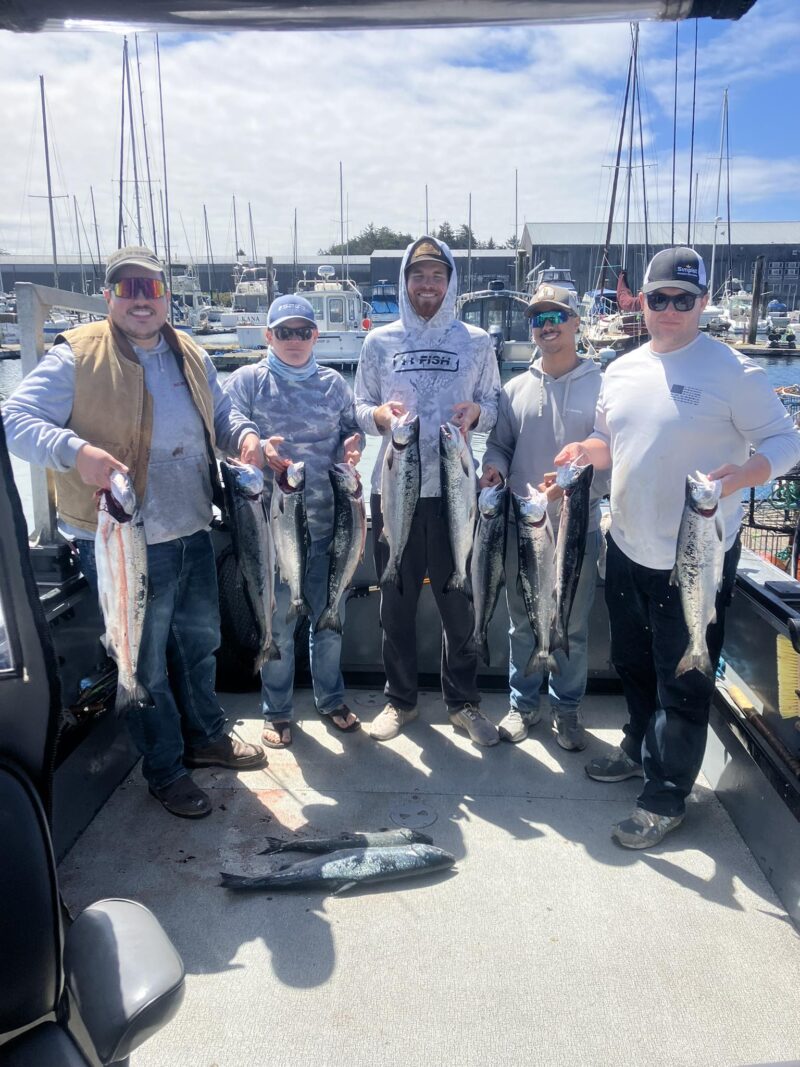
Every fall, Oregon rivers come alive with one of the most thrilling fishing opportunities of the year: the fall Coho salmon run. From late September through October, anglers from around the region flock to the Columbia River and the Oregon coast to experience what many call the ultimate silver salmon adventure. If you’ve ever dreamed of a trip that combines fast-paced fishing, spectacular autumn scenery, and the chance to battle chrome-bright fish fresh from the ocean, this is it. The fall Coho salmon run in Oregon isn’t just a season—it’s a must-do tradition.

The “Chasing Silver” Experience

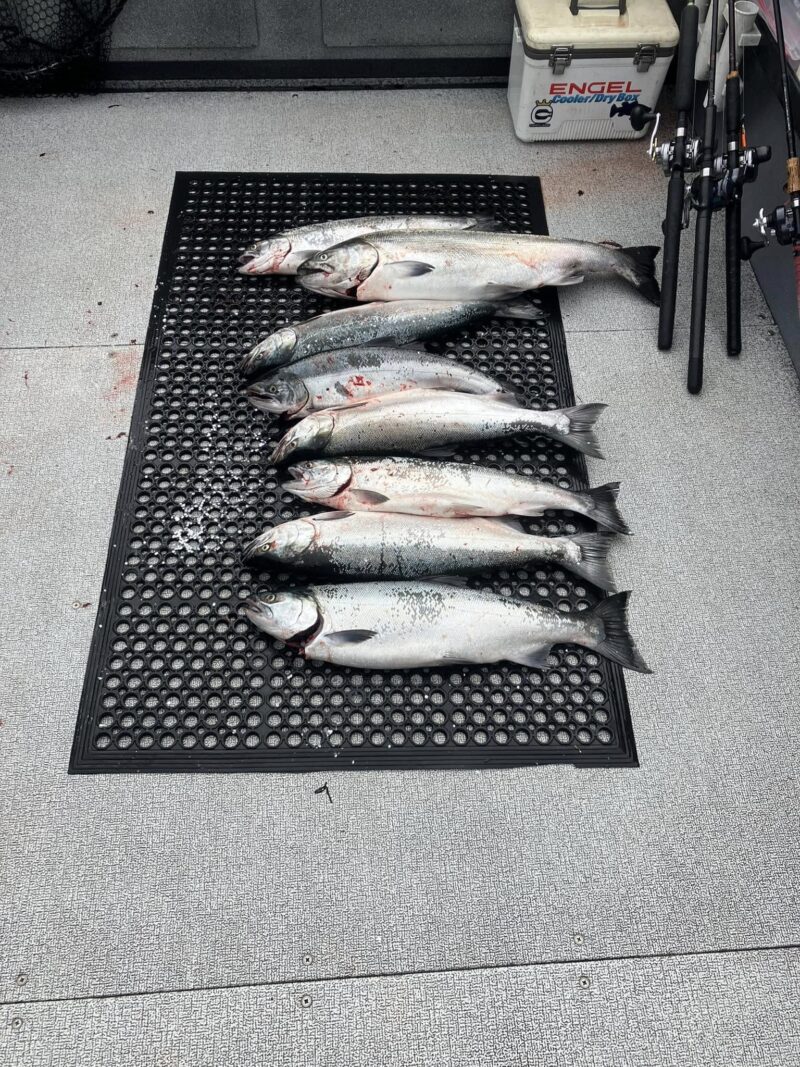
Ask any seasoned angler why they love Oregon Coho fishing in the fall, and you’ll hear the same story. These fish are aggressive, acrobatic, and absolutely gorgeous when they first arrive from the ocean. Coho enter the rivers with a mirror-like silver sheen, making them some of the most stunning salmon you’ll ever see. That’s why so many anglers affectionately call the pursuit “chasing silver.”

What really sets Coho apart is their fighting style. Unlike some salmon that tend to bulldog in deep water, Coho explode with energy. They’ll cartwheel across the surface, rip off searing runs, and shake their heads violently in an effort to throw the hook. Hooking one isn’t just catching a fish—it’s strapping in for a high-speed rodeo. If you’re looking for excitement, these salmon deliver it in spades.

Prime Timing: When the Action Peaks

Chasing Silver 1 

Timing is everything when it comes to the fall Coho salmon run in Oregon. While fish trickle into the Columbia River and coastal streams in late September, the absolute peak generally comes in early to mid-October. By this point, big pulses of Coho push through the Columbia and surge into Oregon’s coastal rivers, offering anglers excellent catch rates.

The Columbia River is a powerhouse fishery during this window, especially around the mouth and lower sections where fresh ocean-bright fish are most concentrated. On the coast, rivers like the Siuslaw, Nestucca, and Alsea shine in October, drawing both local anglers and travelers eager to hit the peak of the action. For most rivers, the run begins to taper off by late October, so planning your trip within that golden window is key.

Effective River Techniques

The fall Coho salmon run is not just exciting because of the numbers of fish. It’s also thrilling because of the variety of ways to catch them. Whether you prefer fishing from a boat or casting from the bank, there are proven methods that consistently put fish in the net.

Casting spinners is one of the most classic and effective techniques. Coho can’t resist a flashy spinner invading their holding water, and the visual strike is heart-stopping. Twitching jigs is another deadly tactic, particularly in slower pools where salmon hold. A well-twitched marabou or plastic jig can trigger savage strikes that often feel like an electric shock on the line.

Boat anglers have additional tools at their disposal. Trolling with spinners or plug-cut herring is a tried-and-true method on the Columbia and tidewater sections of coastal rivers. When the fish are traveling in schools, trolling lets you intercept them efficiently. Each method has its moment, and part of the fun is matching your approach to the mood of the fish on any given day.

Understanding Coho Behavior

Chasing Silver 2 

To really succeed in Oregon Coho fishing, it helps to know how these salmon behave once they enter the rivers. Coho tend to travel in schools, so if you hook one, there’s a good chance more are nearby. They often hold in slower-moving water, especially in back eddies, soft seams, and tidewater pools where they can conserve energy on their journey upstream.

Perhaps the most important thing to understand is how aggressively Coho defend their space. These fish are notorious for striking at anything that intrudes on their holding water, even if they’re not feeding. That’s why brightly colored spinners, twitching jigs, and flashy plugs are so effective. When a Coho decides to hit, it doesn’t hesitate—it smashes the lure with ferocity.

Why It’s a Must-Do Trip

So why should every angler put the fall Coho salmon run in Oregon on their bucket list? For starters, it’s one of the most action-packed fisheries of the year. The combination of aggressive fish and high catch rates means you’re rarely bored. Every cast feels like it could be the one that sets off an acrobatic battle.

On top of the excitement, Coho are excellent table fare. Fresh from the ocean, their meat is rich, firm, and perfect for grilling, smoking, or roasting. Bringing home a cooler of bright fall Coho means you get to relive the adventure at the dinner table for weeks to come.

And then there’s the setting itself. Fall in Oregon is breathtaking. Rivers wind through forests that glow with autumn color, mornings are crisp and clear, and the whole landscape feels alive with change. It’s the kind of backdrop that makes every day on the water memorable, even before the first fish is hooked.

Put it all together and you get an experience that checks every box: thrilling fights, stunning fish, great food, and unforgettable scenery. Whether you’re a seasoned angler or a first-timer looking for the trip of a lifetime, chasing silver salmon in the fall is something you simply can’t miss.

Book Your Trip Before the Run Ends

Chasing Silver 3

Here’s the truth: the fall Coho salmon run in Oregon doesn’t last forever. By late October, the peak is over, and those chrome-bright fish begin to fade from the rivers. That’s why there’s no better time than now to plan your trip. If you wait too long, you’ll miss the action—and you’ll have to wait another year for the chance to chase silver again.

Don’t just read about it. Get out there and experience the thrill for yourself. Book a guided trip on the Columbia or one of Oregon’s coastal rivers, and put yourself in the middle of the hottest salmon fishing of the season. The fish are here, the rivers are calling, and the opportunity won’t last long. Come join us on the water and see why the fall Coho salmon run in Oregon is truly a must-do adventure.