
While the Columbia River is often the most popular destination for fishing in Oregon, it’s not the only place to make great catches and see incredible views. If you want to fish somewhere smaller and more unique, then the Willamette River is an excellent destination for fishing without sacrificing the Columbia River’s species diversity.
If you’re planning a trip to the Willamette River in the near future, you might be curious about what you can catch there and how it differs from other rivers in the area. We’ve got you covered! This blog will talk about everything you need to know before fishing on the Willamette River – the fish to catch, how to find them, and tips and tricks to make your trip more convenient.
Fishing on the Willamette River
The Willamette River is one of the Columbia River’s major tributaries, and it accounts for around 15% of the latter’s flow. What does that mean for you as a fishing enthusiast? It means that you can typically find the same fish in the Willamette River that you can in the Columbia River, depending on the area of the river you’ll be visiting.
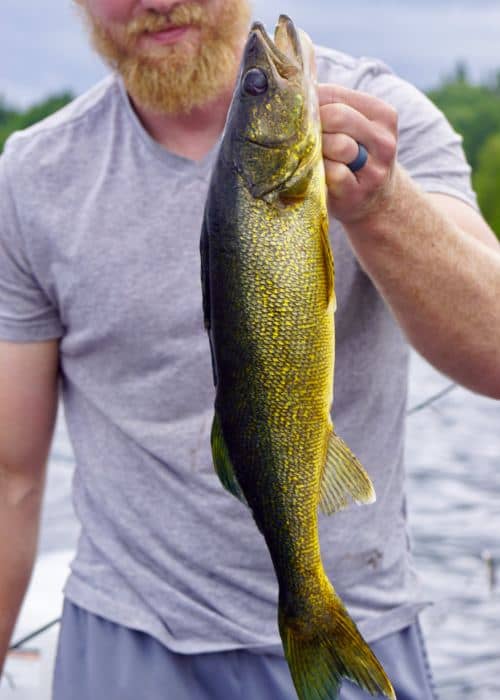
Salmon, sturgeon, walleye, bass, and many other species can be found in the Willamette River. What you’ll find on your fishing trip will generally depend on the season and the location, which we talk about more in greater detail in the next section.
What Fish to Catch on the Willamette River
Salmon
Who doesn’t love catching salmon? This is especially true in Oregon, where salmon is a must-catch for many visitors. Not only are they beautiful fish, but they taste incredible, too.
On the Willamette River, you can catch a variety of salmon like Coho salmon and Chinook salmon. Between June and July, and in September, salmon are easier to find, though how many you can catch and which ones you can keep generally depend on the regulations of that year. Make sure you check with your hired fishing charter to find out when you can catch salmon.
Trout
Willamette River is home to thousands of rainbow trout, one of the river’s native species. They are grown in reservoirs, but they can also be found all along the river’s length. Beyond Rainbow trout, you can also find Steelhead trout and other species.
When fishing for trout, check with local fishing charters to find the best time of the year to visit. They can also help you choose which area you should target to get the best chances of catching trout and what gear and bait to bring.
Largemouth and Smallmouth bass
Largemouth bass can grow to be around 25 inches and are generally considered an excellent catch for the area, mainly because they are easier to catch than other fish. You can find them in the waters throughout the year, though you’ll probably face more difficulty in the winter and spring seasons when the water is colder.
On the other hand, the Smallmouth bass is not that much different from its Largemouth cousins. While typically smaller at around 22 inches, the Smallmouth bass is still a fantastic catch for the river. Just make sure you bring the right kind of lures as they can be tricky to catch.
Why Hire a Fishing Charter
If this is your first time fishing on the Willamette River or if you plan to fish with your family or a large group, we generally recommend that you hire a fishing charter. Why? Fishing charters are a uniquely convenient way to make your fishing trip more straightforward and more manageable. Instead of having to rent a boat separately, finding all the right equipment, and doing all the research yourself, fishing charters take care of everything. It means that you can focus on fishing and having fun. Still, Willamette fishing charters also ensure that you won’t accidentally break any fishing regulations set up by the Oregon Department of Fish and Wildlife.
Beyond the practical things you can hire with a fishing charter, you also gain access to another important tool: a fishing guide. Fishing guides are an essential component of any fishing trip, especially if you’re not familiar with the Willamette River’s inner workings. Even if you spent time researching on Google for weeks straight, that can’t compare to the amount of knowledge fishing guides have on the area. That can help you when you’re stuck on how to catch a specific fish.
Book a Willamette Fishing Charter!
Ready to have the best time fishing on the Willamette River? Book with Pastime Fishing Adventures today. We have a number of packages to fit any group and budget, and you can trust us to deliver only the best service.
To make sure slots don’t fill out before you can book one, check out our booking page to inquire into your preferred dates today! We look forward to meeting you.

Recent Comments