Tillamook Bay Fall Salmon Fishing: 2026 Season Guide
During autumn run, fishing for Chinook salmon in Tillamook Bay is one of the heaviest and the most heavily contested fishing areas on the West Coast, and it is one of the heaviest fishing areas for coho. I have been fishing in Oregon waters for my entire life and have been Captain Don Koskela and owner of Pastime Fishing Adventures for more than 15 years. Here you will find information about how fall migration works, how we troll the bay and what to expect when you step onto my boat.
When does fall Chinook run in Tillamook Bay?
The typical time for fall Chinook salmon to arrive in Tillamook Bay falls from the end of September through October, and sometimes into November. The exact timing of the trip will vary depending upon the level of rainfall, ocean tides, and river flow, so always take time to verify the most current Oregon Department of Fish and Wildlife regulations before making your trip.
In early September, ocean-bright fish start to move into the vicinity of the jaws and lower bay. During the fall, when river flows increase along the coast, larger schools move inland, such as in the Trask River and the Wilson River. During the height of the weeks, there is generally a combination of big 5-year-old Chinook salmon and aggressive coho salmon moving down the lower channels.
Captain Don’s quick take
The powerhouse fall salmon are what Tillamook Bay is known for, due to the fish feeding heavily in the Pacific until they cross the bar. As soon as you hook a fall Chinook from Tillamook, you know you’re in for some crazy activity in shallow bay water, so hold on tight, we are tested to the limit with all the knots we tie.
Why does Tillamook Bay produce such large fall Chinook?
The local river systems supply a high proportion of older age class Chinook that spend four to five full years feeding in the nutrient-rich ocean, resulting in unusually large fall Chinook in the Tillamook Bay area. These salmon are fattened up in the cold coastal estuary before returning upstream to spawn.
This is the convergence point of five great rivers that provide enormous food resources and genetic flushes for giant fish. Here, a mature king salmon will often reach the thirty-pound mark, and salmon over forty pounds are a regular occurrence each fall.
How does bay trolling work in Tillamook Bay?
Bay trolling is done using heavy lead sinkers or diving flashers to pull herring, spinner rigs, or plugs through the lower portion of the water column where staging salmon are to be found during the tides. These baits are used to bait and react out of their territory where drop-offs, mudflats, and channel edges can be found.
Out here, timing the tides is all-important. I follow the low slack and freshwater interchange to ensure our gear is in front of running schools. Some days we run whole or cut-plug herring near the bottom, and other days we run heavy hardware depending on the clarity of the water and weed drift.

What makes Garibaldi and the lower bay a top fishing zone?
This is the area that lies directly inside the entrance where ocean salmon have to go as they move off to the Pacific, which is why it is productive, particularly in relation to Garibaldi and the lower bay. Staging fish are able to find cool salt water and shelter in deep water channels near the Port of Garibaldi before entering the estuary.
When fishing from the Garibaldi marina we are right on top of the main holding areas, the Ghost Hole and West Channel. From here, we have easy access to ocean water that has been filtered, and that’s where the bite will start first if it happens that morning during the flood tide.
What should you expect on a Pastime Fishing Adventures trip?
During a Pastime Fishing Adventures trip, you’ll enjoy a safe, hands-on fishing day that’s centered around good fishing gear, comfortable boating, and good instruction. I tweak our plan daily based on the tides, weather conditions and where the fish are going.
All rods, reels, new baits, and equipment are fully set up and ready to go when you get on board. Show you how to identify bites, control your line and how to get big fish off the bottom. When wind or waves are picking up in a part of the bay, I will move the group to a safer, more comfortable area.
What should you bring on your Oregon fishing charter?
Warm layered clothing, waterproof rain gear, rubber boots or non-slip shoes, food, drinks, and personal items such as sunglasses, sunscreen. A valid Oregon Angling License and the correct Salmon tags for each person in your group who will be fishing will also be required.
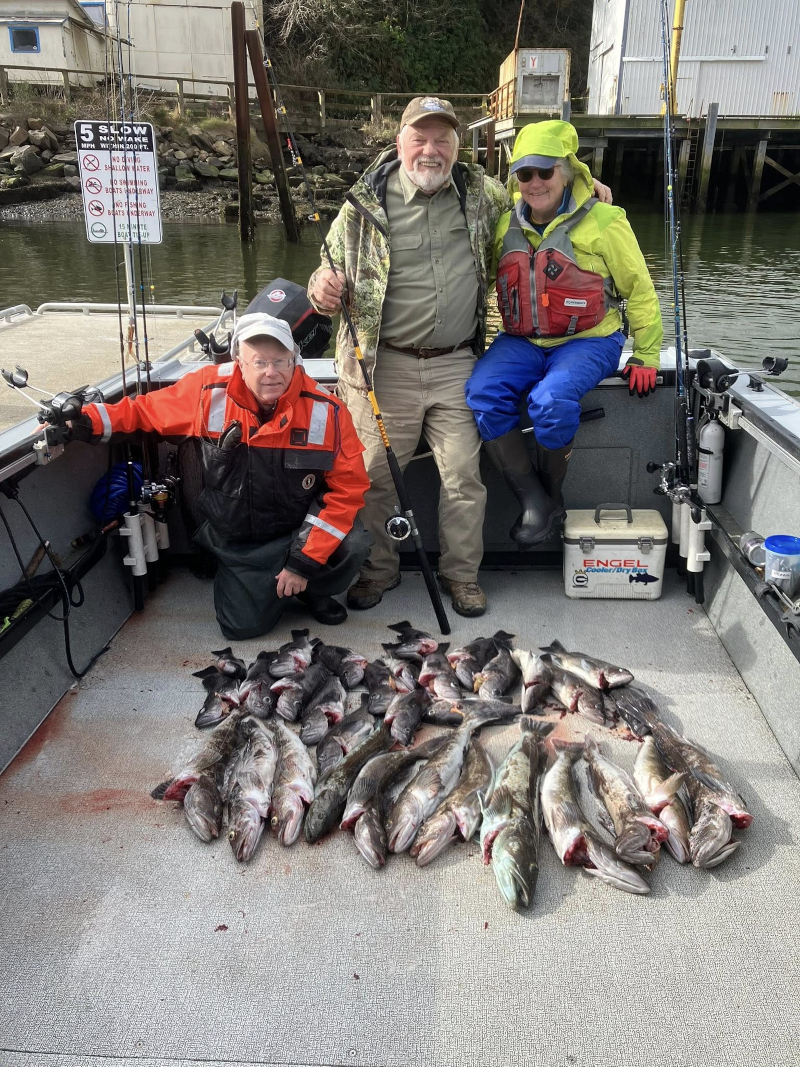
Coastal weather is unpredictable, so dress in layers to keep warm while it turns from fog in the morning to sun in the afternoon and take anti-motion sickness pills before getting on board if you’re prone to seasickness. Pack your camera to take pictures of the catch, and if rolling waves on the bay get your ticker ticking, bring some anti-motion sickness pills. Check current license laws and tag regulations with the State Wildlife authorities prior to your trip date.
Why book with Captain Don and Pastime Fishing Adventures?
If you’re looking for a patient and experienced guide with more than 15 years of experience on the water and a wealth of knowledge on Oregon coastal fisheries, book with Pastime Fishing Adventures. I’m on full-time trips throughout Oregon, from the Columbia River ports to the Willamette River ports to Tillamook and the coastal ocean ports, so I’m always on the pulse of what is happening with fish.
I always want to get you in the right position, at the right time, and make you comfortable with the equipment. Whether you’re bringing your kids out for their first salmon or heading out for a trophy king, I do everything I can to make your time on the water fun, knowledge-rich and productive.
Frequently Asked Questions
Do I need prior experience to book a Tillamook Bay fishing charter?
No, you don’t have to have any fishing experience to book a trip with me. I work with anglers of any experience level from novice to seasoned and I teach you all the steps.
What is the difference between Chinook and coho salmon in the bay?
Fall Chinook are bigger and stay in the bottom channels, and weigh between 15 and 30 pounds on average, while coho salmon are smaller and move higher in the water column and will chase spinners or surface baits.
What happens if the weather gets rough on the bay?
Each day I assess marine forecasts and local wind conditions to ensure that my guests are kept safe. We enter sheltered channels and reschedule trips if lower bay is too rough.
Can I keep the salmon we catch during the trip?
Salmon can be retained in compliance with existing, state-established daily bags and species limits. We always check all rules for retention before keeping fish, as rules change with the strength of the runs in Oregon.
Where do we meet for a Tillamook Bay guided trip?
We typically get together at the boat launch in Garibaldi or another convenient boat ramp in the Tillamook Bay area as the water conditions dictate. I send all driving and meeting information in full well in advance of your meeting time in the morning.
Are private boat charters available for families or small groups?
Yes, I do provide private boat trips, so your family or group can have the boat all to themselves. If you prefer to book for yourself and your group, we can make the day as yours as possible, as we can concentrate solely on your pace.
Ready to book your Oregon fishing trip?
Fall salmon fishing in Tillamook Bay is one of my most fun trips during the season and once the run starts, the dates fly out the door. Call or visit the Pastime Fishing Adventures booking page to see what dates are available. I hope you come on board and enjoy a wonderful day on Tillamook Bay and help you catch a fall salmon from Oregon.